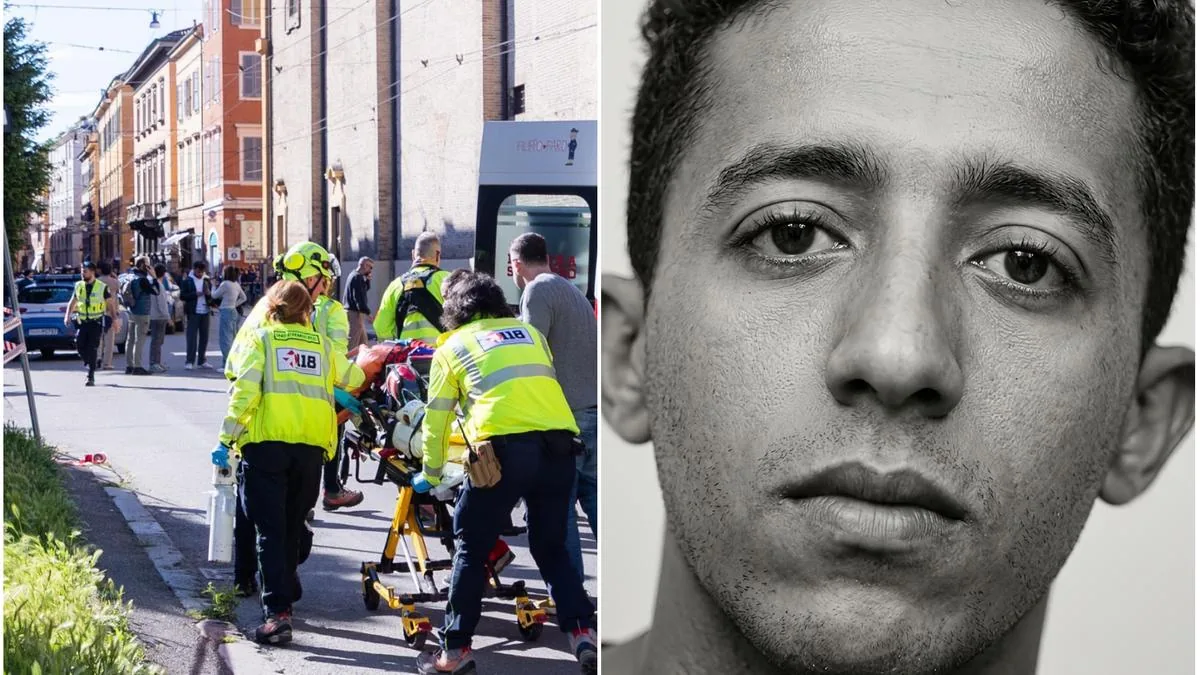





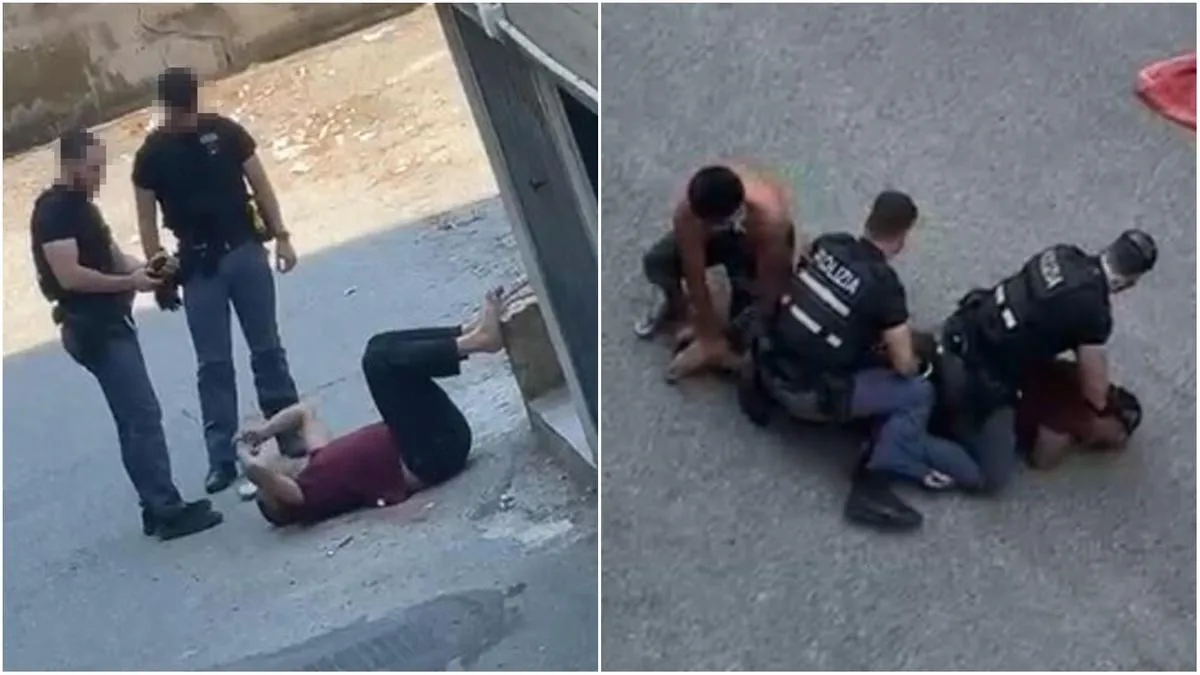
Bologna, July 24, 2026 – A “very complex” examination. This is the postulate shared by the pool of experts who, at 5 PM on July 24, concluded the autopsy after almost six hours on Abderrahim Fakir, the 42-year-old who died in Pilastro, Bologna, last Sunday. An examination following which the predominant hypothesis of the experts appointed by the prosecution and the parties would be a respiratory crisis and consequent asphyxia, as the most probable cause of death. However, what caused this circumstance and at what stage of the intervention it occurred will only be clarified upon the submission of the definitive report by the prosecution’s pool of experts. Ninety days is the deadline set for the delivery of the results that will completely clear the fog of doubts surrounding the Bologna tragedy.
Read more Paolo Belli stops the music on the day of Alessandro’s funeral: “All artistic activity suspended”

However, objective aspects emerged during the autopsy, also supported by the bone CT scan performed preliminarily on Thursday. Abderrahim Fakir shows no bone fractures, except for a slight one on a toe, perhaps sustained during moments of agitation before the tragedy. Slight irritations were found in the respiratory tract due to the inhalation of the irritating spray used by the officers, while the presence of blood in the lungs and a crushing of the respiratory organs was ascertained.

However, the correlation between these objective aspects that emerged during the examination and the onset of the probable fatal respiratory crisis is yet to be determined, with a series of hypotheses under consideration. Starting with compression and crushing: it needs to be clarified whether it was lateral, frontal, or dorsal, and whether it occurred during the police action or post-mortem, following cardiac massage by medical personnel. The same applies to the bleeding (apparently occurred when Fakir was still alive), which will be scrutinized to clarify whether it is attributable to containment, or resuscitation, or even previously induced by substance use.

The first toxicological results, for which specific outcomes will take more time, reportedly showed positive for cocaine. Finally, the pool of experts carried out specific examinations of the brain. A scientific babel of elements that will now need to be correlated with each other, weaving a web capable of providing the prosecution with the most precise possible autopsy picture, to determine if, as it seems, asphyxia killed Fakir and, above all, how it was induced.
Meanwhile, new details are emerging about the 42-year-old’s medical history. Abderrahim, in fact, was not unknown to the healthcare system. According to what has been learned, the episode on June 20 that brought the 42-year-old to the emergency room of Maggiore Hospital in Bologna, aboard an ambulance, after an act of self-harm was not the last contact between the man and the healthcare system. A few days later, Abderrahim was scheduled for an appointment with a mental health center in the province, where he went voluntarily for a preliminary anamnesis after a consultation with a psychiatrist and, it seems, also for the prescription of a therapy with some anxiolytic drugs. The CSM had scheduled a new meeting for early August, before Fakir lost his life in Pilastro.
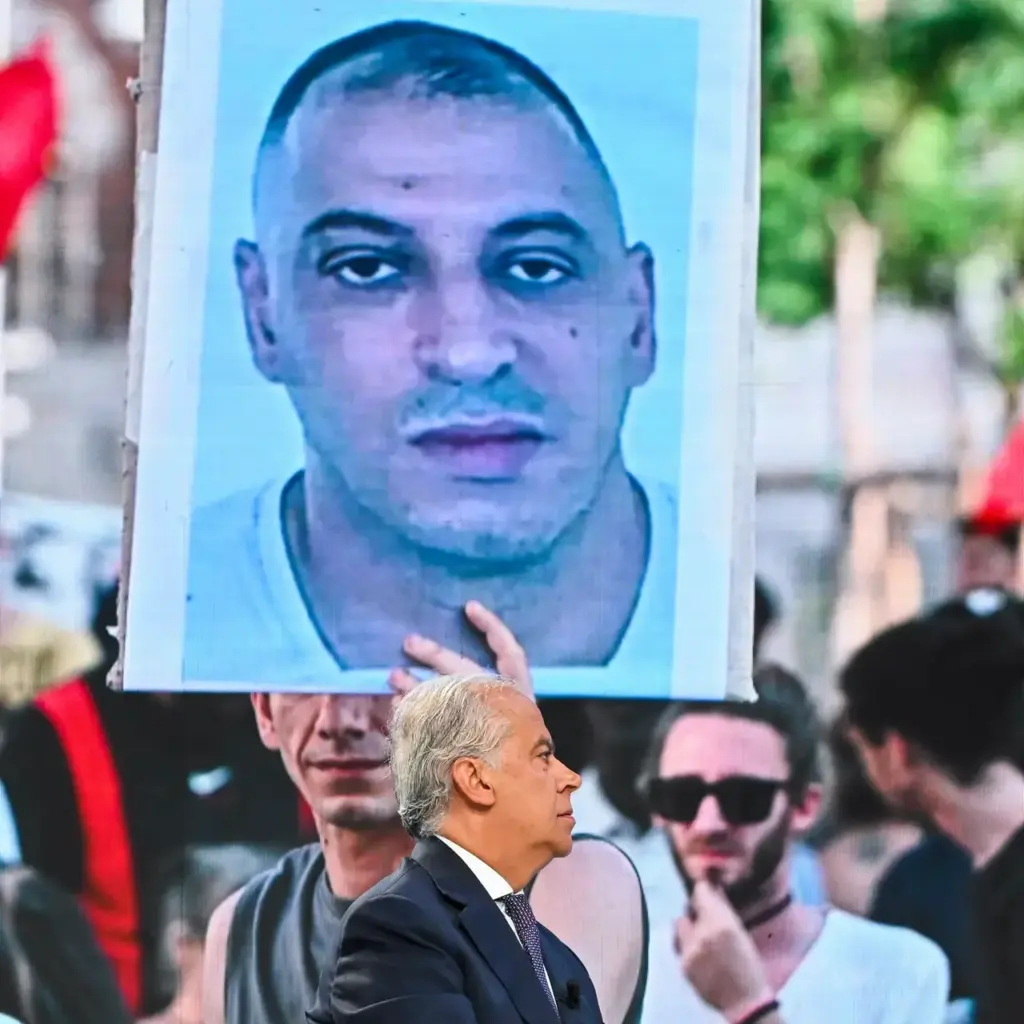
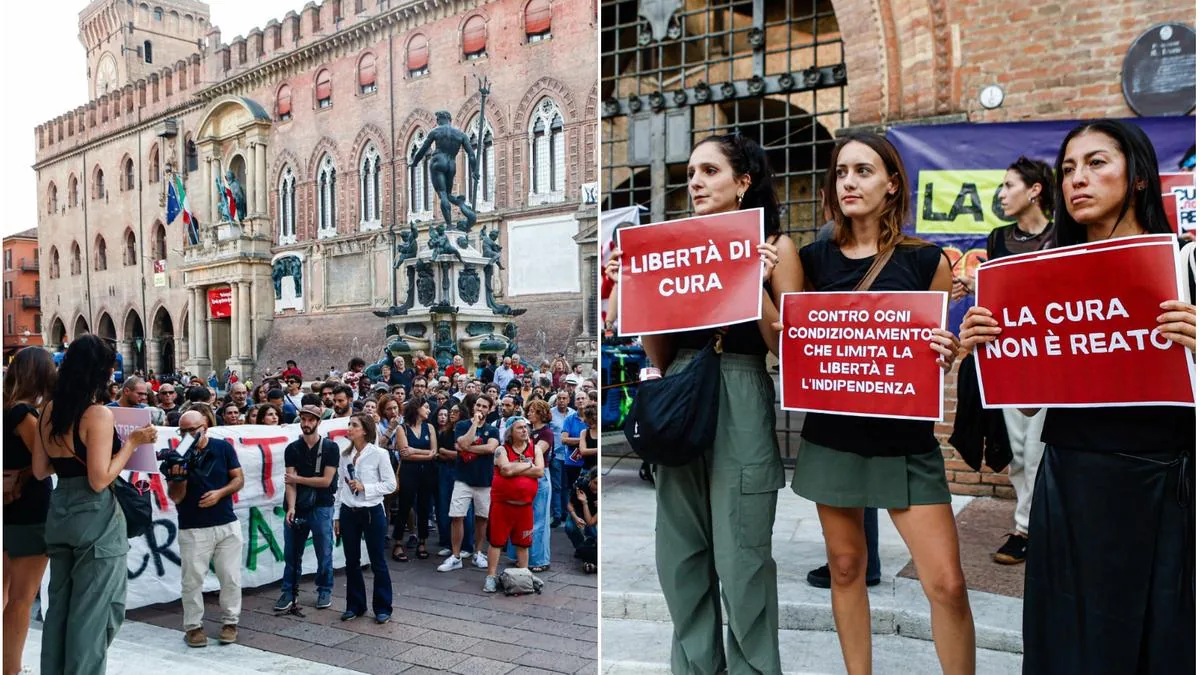
Meanwhile, the other investigation stemming from the Bologna tragedy, related to the street clashes that took place on Monday evening after a demonstration in the name of the 42-year-old, is also proceeding swiftly. Currently, 12 people are formally under investigation, accused of disguise, throwing objects, resisting, and violence against public officials. This number is expected to grow as the police continue operations to identify the rioters in the clash videos.