





Fano, September 19, 2026 – A hidden camera, secretly passed from one prisoner to another. And a man from Fano behind some of the very rare shots able to tell today, from the inside, the life of Italian military internees in German camps.
His name was Vittorio Paccassoni and his story will resurface tomorrow at the Montanari Mediateca, along with those of other fellow citizens deported after September 8, 1943.
The story is reconstructed by Paolo Alberto Del Bianco, documentary photographer who also curated the archival research and who will lead the conference organized by the Fano Group of the National Association of Italian Sailors.
Great history intersects with that of Fano
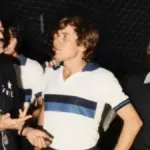
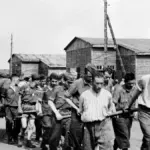
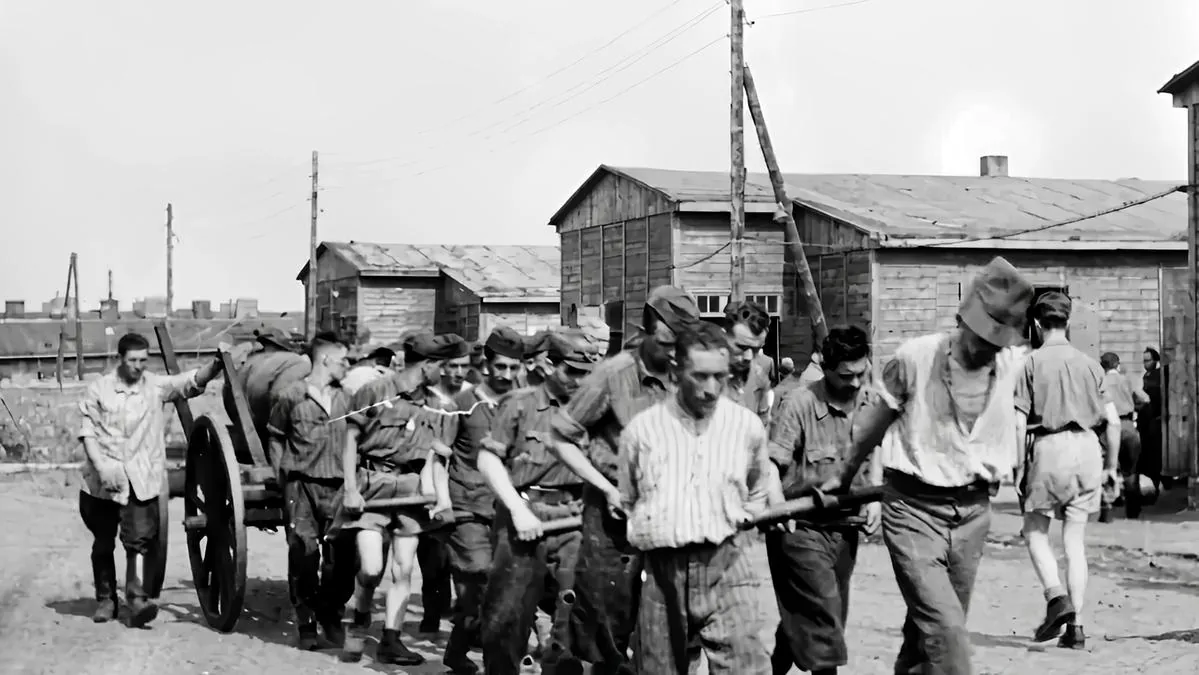
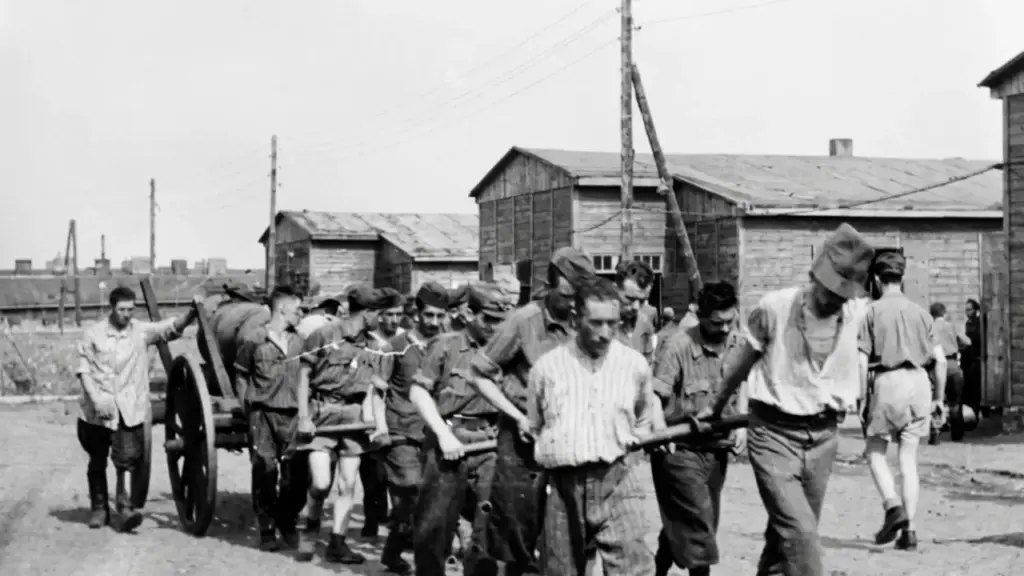
“There are very few photographs inside the German concentration camps,” Del Bianco says. Prisoners were not allowed to photograph and document what happened behind the barbed wire. Yet an Italian internee, Vittorio Vialli, succeeded in the feat: with a camera smuggled in secretly, he secretly took a series of images of life in the camp, which over time became very precious historical documents. And it is precisely here that great history intersects with that of Fano. That camera had been passed to Vialli, also secretly, by the man from Fano Vittorio Paccassoni, who was also interned. Two men with the same name, a forbidden device, and the risk taken to leave images of a reality that would otherwise have remained almost invisible.
Read more Prostitution and money laundering, 7 ‘brothels’ identified in Emilia Romagna
Exhibition until September 30
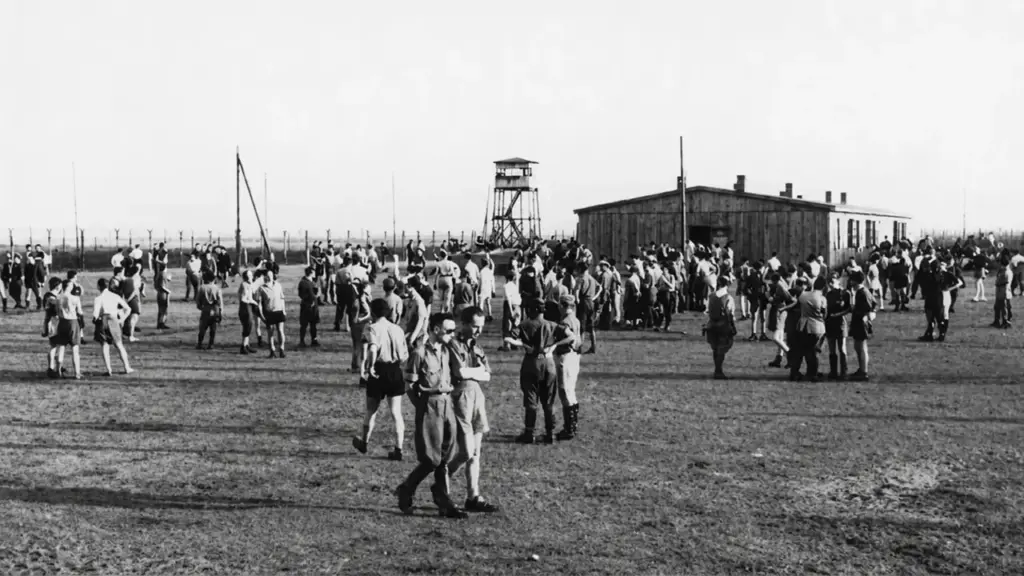
Some of those shots will be shown on Sunday and will be part of the photographic-documentary exhibition that will remain at the Mediateca until September 30. Among the recovered images, there is also one featuring Paccassoni himself. But the research work went further: letters, photographs, documents, and portraits of the internees from Fano will be exhibited, materials that have remained for decades in archives and especially in the homes of their families. It is precisely from here that the memory operation promoted by the Anmi of Fano, chaired by Fabio Launaro, starts: to restore names and stories to fellow citizens who ended up in German camps between 1943 and 1945. Not just numbers, therefore, but men and families from Fano overwhelmed by one of the most dramatic pages of the war. And that memory is now destined to also become a permanent mark in the city.
The monument
During the meeting the project of a stele dedicated to the Imi from Fano will be presented by architect Remigio Bursi, which will subsequently be installed in Fano. A monument designed to also hand down to future generations a story that has long been less known compared to other pages of the Resistance and deportation. After the armistice of September 8, 1943, over 600,000 Italian soldiers were captured and interned by the Germans. Many refused to continue fighting alongside Nazi Germany and to join the Italian Social Republic. They were classified as Italian military internees and faced imprisonment, hunger, cold, and forced labor. Giving the day an even more intimate dimension will be the families of the internees from Fano, called to tell what of those experiences has been passed down in the families.
The Day of the Italian Internees
The conference will be held on Sunday at 5 pm in the Hypogeum Hall of the Montanari Mediateca and the date is not accidental: September 20 is the national day dedicated precisely to Italian internees in German concentration camps. Del Bianco will lead; Anmi president Fabio Launaro will speak, greetings from the administration and readings by dialect poet Elvio Grilli are planned. But the thread of the day will be above all them: the people from Fano who ended up behind the barbed wire and the traces they managed to leave. Even, as in the case of Paccassoni, through a camera that should never have been in that camp.