







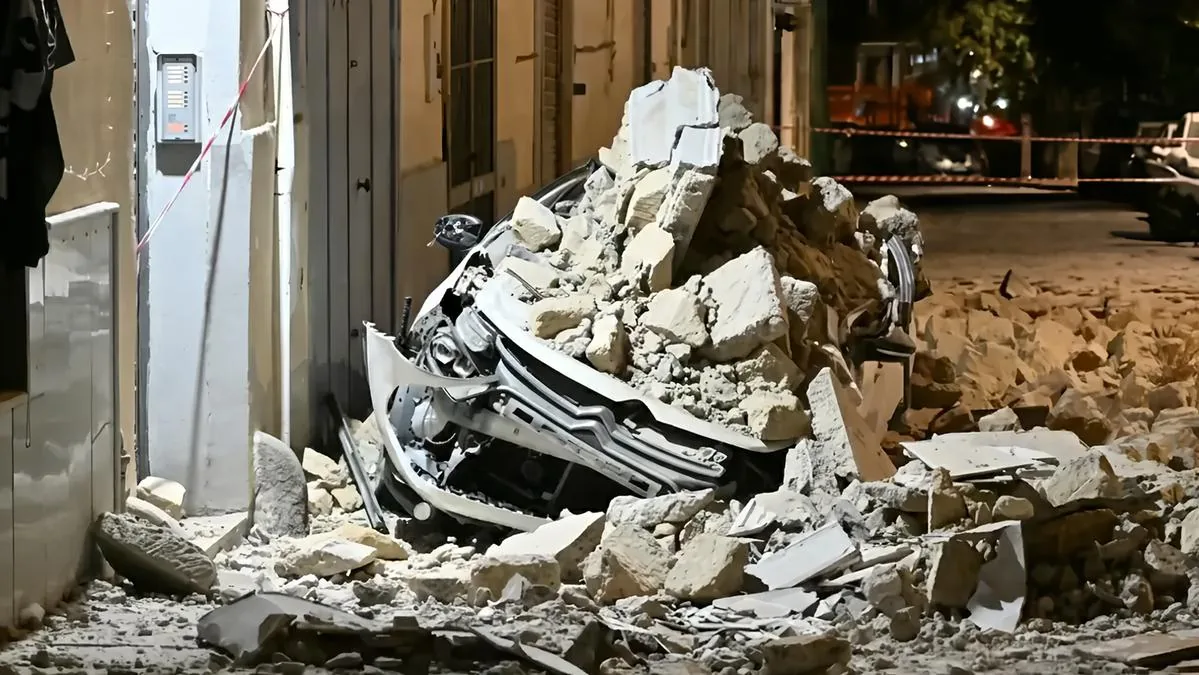
Bologna, August 1, 2026 – The Campi Flegrei have become frightening again after the quake on the night between Friday and Saturday, the strongest in the last forty years.
Read more Holidays ruined by the ‘ghost’ residence in Cesenatico: 90 families scammed
The ‘supervolcano’ rising between Naples and Pozzuoli, whose last eruption dates back to 1538, is one of the major critical points in Europe regarding seismic activity, volcanology, and civil protection efforts. In the ‘red zone’ alone – which includes Pozzuoli, five neighboring municipalities, and the westernmost districts of the Municipality of Naples – live 550,000 people: unique proportions on the continental territory, out of scale even for most seismic areas scattered around the planet.
For this reason, the National Department of Civil Protection has long drafted a national emergency plan for the Campi Flegrei, involving the Civil Protection Agencies of all Italian regions.
Emilia-Romagna ready to take action
“Emilia-Romagna is also ready to do its part – explains Massimo Camprini, director of the Regional Agency for Territorial Safety and Civil Protection – and it would do so with its mobile column, equipped for the most serious emergencies and supported by 20,000 volunteers already properly trained. It would be the National Department of Civil Protection to specify how many forces are needed in case of emergency.” In any case, these are men and equipment already trained to intervene in a complex scenario such as the Phlegraean area.
But the intervention channel, in the complicated ‘Puteolan’ environment, is twofold: the national plan also foresees the worst-case scenario, namely the evacuation of the resident population, precisely those 550,000 people living in the red zone.
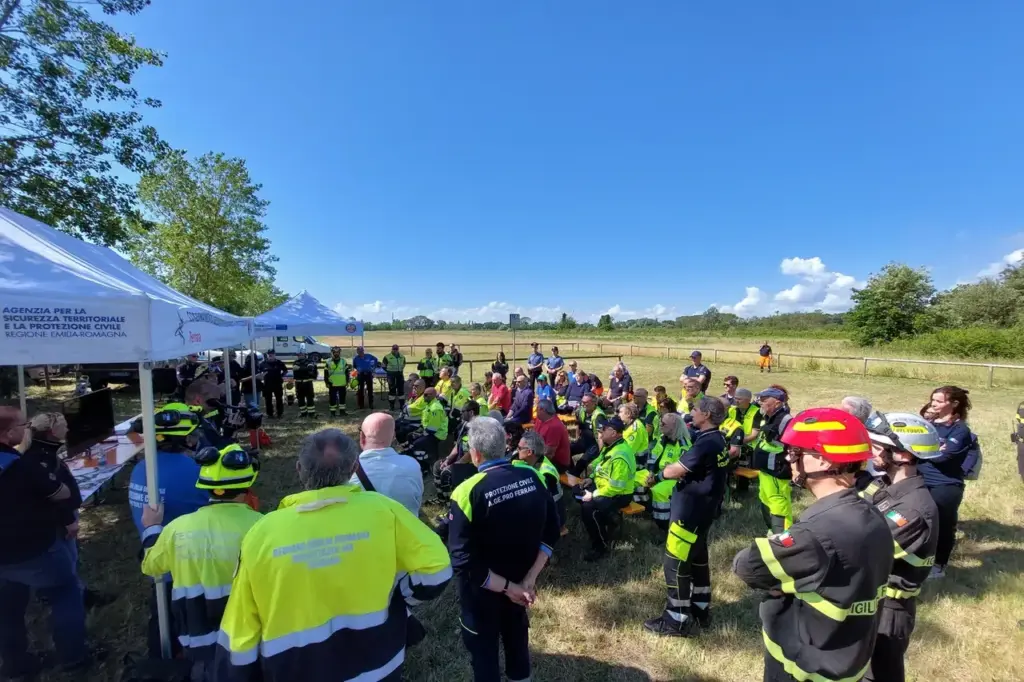
In this case, Emilia-Romagna is expected to host the residents of the Soccavo district of Naples: a total of 45,000 inhabitants. A densely populated area located north of the Vomero district, known worldwide as the setting of the film ‘The Hand of God’ by Paolo Sorrentino, who is originally from Soccavo.
Commitment in the regional territory
The number of inhabitants in the district equals the population of Sassuolo, the 14th city of the region: an effort to say the least epic. “The Region has channels of communication with the Municipality of Naples and also with that of Ercolano, whose citizens would be evacuated to Emilia-Romagna in case of a Vesuvius eruption,” continues Camprini.
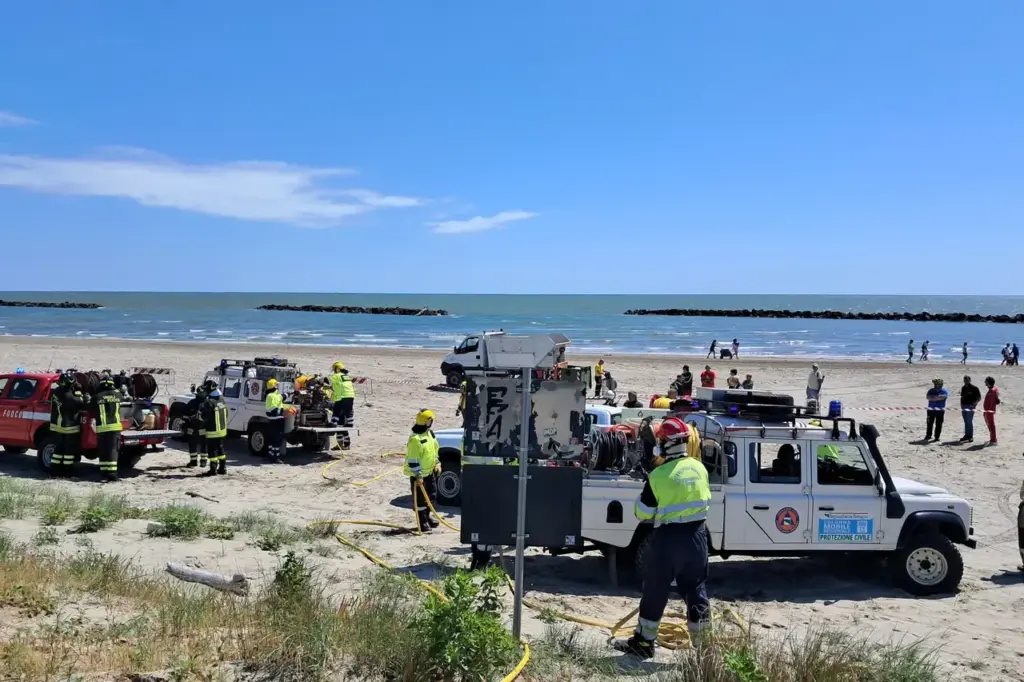
The Regional Civil Protection Plan, currently undergoing periodic updates (the document is refined every three years), will also include a special plan to host Soccavo residents in the regional territory. “The plan will take into account the wide range of scenarios that could arise – notes Camprini – influenced, for example, by seasonality. In winter, it would be easier to accommodate evacuees in hotels along the coast, while in summer temporary camps would be necessary to set up in local facilities, such as gyms and sports halls. Some evacuees would presumably leave with their own means, while others would be accompanied by Civil Protection to the nearest active train station (following the quake on the night between Friday and Saturday, one of the first measures adopted by the authorities was the closure of the railway line in the Naples hub, editor’s note).”
The perhaps biggest question in case of a seismic or volcanic emergency concerns the duration of a possible evacuation: “In this case, the response to be implemented is not only housing but also schooling,” highlights Camprini. It would be necessary, in short, to provide classroom places for the very young evacuees: it is worth noting that the provinces of Naples and Caserta have the youngest average age in Italy.