


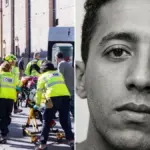

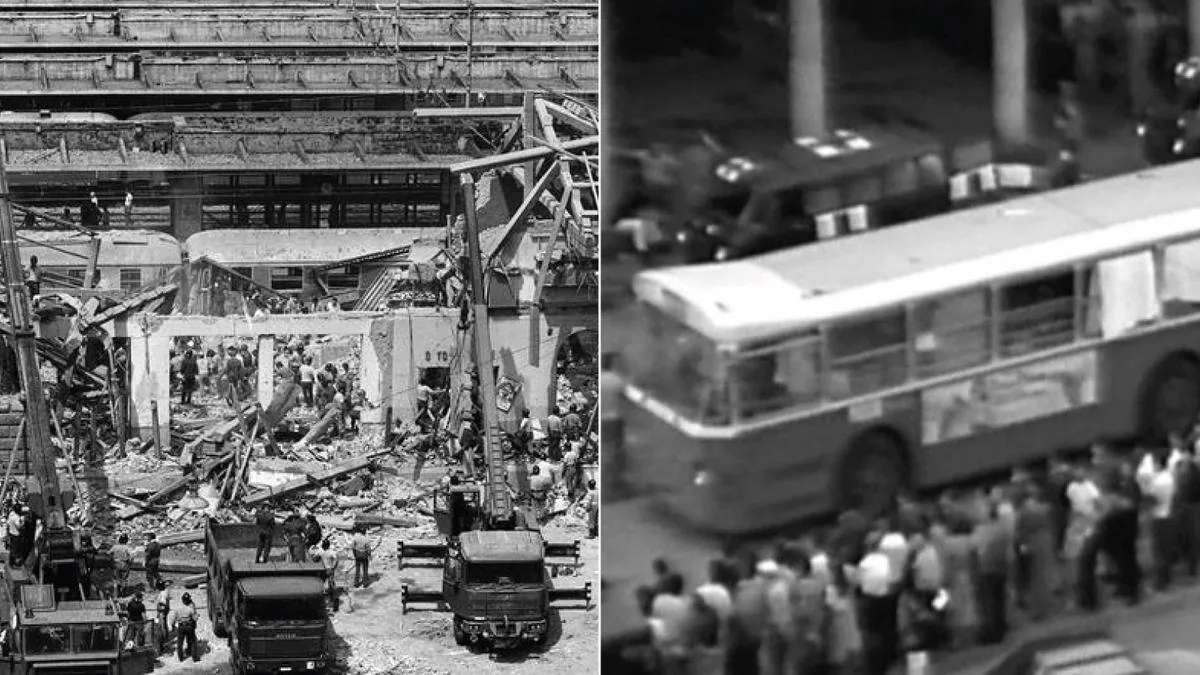
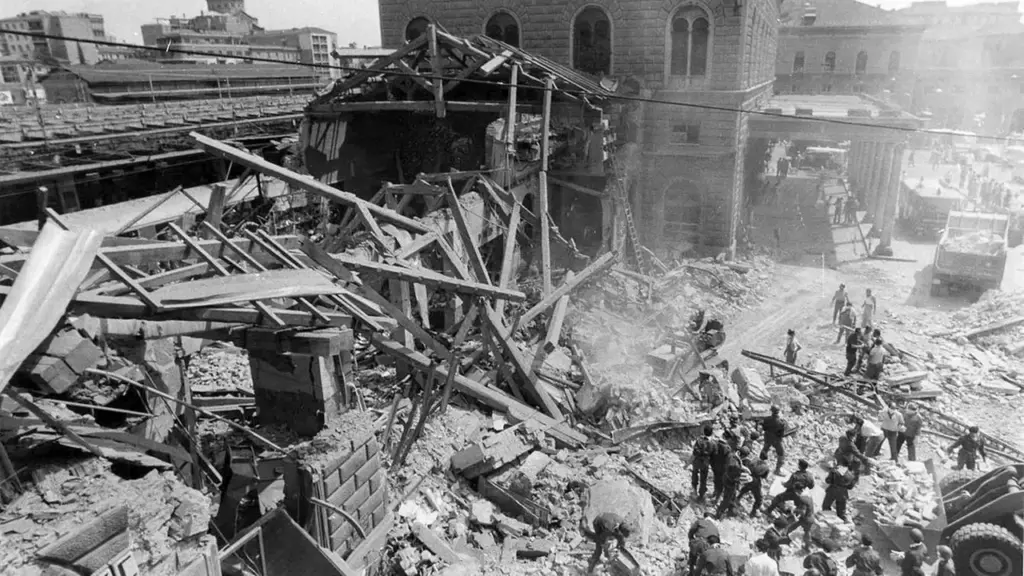
Bologna, August 2, 2026 – The station clock of Bologna shows 10:25. Today as then. Like that scorching Saturday morning when in a central station of Bologna crowded with thousands of people leaving for vacation, at exactly 10:25, in the second-class waiting room a device placed on a luggage trolley exploded, devastating the building. Opening a deep wound in the city and in Italy which still today, after 46 years, represents the most serious massacre of the republican era. The bomb caused the collapse of the West wing of the station and overran the first platform, also hitting the carriages of the Ancona-Chiasso train stopped waiting to depart. The toll was devastating: 85 dead and over 200 injured. An emergency to which Bologna responded with an extraordinary civil mobilization. The regular buses were transformed into ambulances and makeshift hearses to transport the injured and bodies to hospitals and the morgue.
Read more August pain, the anguish of dad Horst: “Here I find my two dead sons”
The investigations
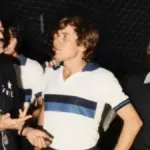
From the first days two opposing forces emerged: on one side the investigators oriented towards the right-wing subversion matrix, on the other internal attempts within the apparatus to mislead the investigations. After a long judicial process — marked by a first appeal trial annulled in 1990 by the Supreme Court in United Sections —, the judiciary reached final convictions for the material executors belonging to the Nar (Armed Revolutionary Nuclei). The first to be convicted were Valerio Fioravanti and Francesca Mambro, definitively sentenced to life imprisonment in 1995. Then, it was the turn of Luigi Ciavardini, a minor at the time of the events and definitively convicted in 2007. The three have always declared themselves innocent of the Bologna massacre, while admitting their responsibilities in numerous other murders and crimes linked to black terrorism.
The misdirections
The judicial story of the Bologna massacre was also marked by numerous attempts at misdirection carried out by deviant sectors of the State. The most striking misdirection was the so-called operation ‘Taranto-Milan Train’ in January 1981, less than a year after the massacre. A suitcase was found on a train containing explosives identical to those used in Bologna, along with airline tickets and false documents in the names of foreign citizens. The goal was to shift suspicion towards international terrorism. For these misdirections, justice over the years has definitively convicted Licio Gelli, Venerable Master of the secret Masonic lodge P2; Francesco Pazienza, SISMI collaborator; Pietro Musumeci and Giuseppe Belmonte, respectively general and colonel of the military secret service.
The trial of the masterminds
For many decades the judicial response remained partial, identifying the material executors but leaving unanswered the chapter of the financiers and the strategic minds. In recent years, however, new investigations and the analysis of financial flows conducted by the Bologna Public Prosecutor’s Office have redefined the map of the attack. The so-called ‘trial of the masterminds‘ and the investigation branches on accomplices have led to two crucial breakthroughs. In the first case, a life sentence for complicity in massacre was handed down to Gilberto Cavallini, former Nar member. Then, the definitive life sentence in 2025 for Paolo Bellini: former member of Avanguardia Nazionale. Decisive in this regard was an amateur film shot a few minutes before the explosion by a tourist, as well as the statements of Bellini’s ex-wife, who placed him at the crime scene and not traveling with the family to take them from Rimini to Tonale. According to the reasons of the latest sentences, the massacre was part of the broader strategy of tension: a subversive plan aimed at destabilizing the democratic order. Among the subjects identified by the investigations as financiers and organizers of the massacre are Licio Gelli, Umberto Ortolani, former prefect Federico Umberto D’Amato and journalist Mario Tedeschi, all deceased before they could be tried for these specific charges.
The alternative theories
Alongside the prevailing judicial reconstruction, over the decades several alternative theories have been proposed, often supported by the defendants’ defenses, some political figures or journalistic investigations. The most discussed alternative theory is the so-called ‘Palestinian theory‘. According to this theory, the explosion was not a deliberate attack against the Italian civilian population, but the accidental explosion of a load of explosives transported by members of the Popular Front for the Liberation of Palestine or the group of Ilich Ramírez Sánchez. This incident would have occurred following the breakdown of the so-called Moro Pact, the informal non-aggression pact between the Italian services and the Palestinian resistance. Key points cited by supporters of this theory included the presence in Bologna on the days of the massacre of the German Thomas Kram (considered close to Sánchez’s network) and the threats expressed by the FPLP after the arrest in Italy of the Palestinian figure Abu Anzeh Saleh. The Bologna Prosecutor’s Office and several inquiry commissions have repeatedly examined the files related to the Palestinian theory. The judiciary has repeatedly dismissed these positions, considering that no evidence or factual findings have emerged suitable to disprove the probative framework against the neo-fascist groups and to support the hypothesis of the accident or Palestinian attack.
The memory
Forty-six years later, the Bologna massacre continues to represent a crucial point for the Italian collective memory. The constant action of the Association among the relatives of the victims of the Bologna station massacre, together with the work of the judiciary, has made it possible to compose an increasingly complete mosaic, transforming the need for justice from a private matter into a civil and democratic duty.
Read more Plane crash in Peru, 7 Italians dead: tourist aircraft crashes in Nazca, then the crash and fire