
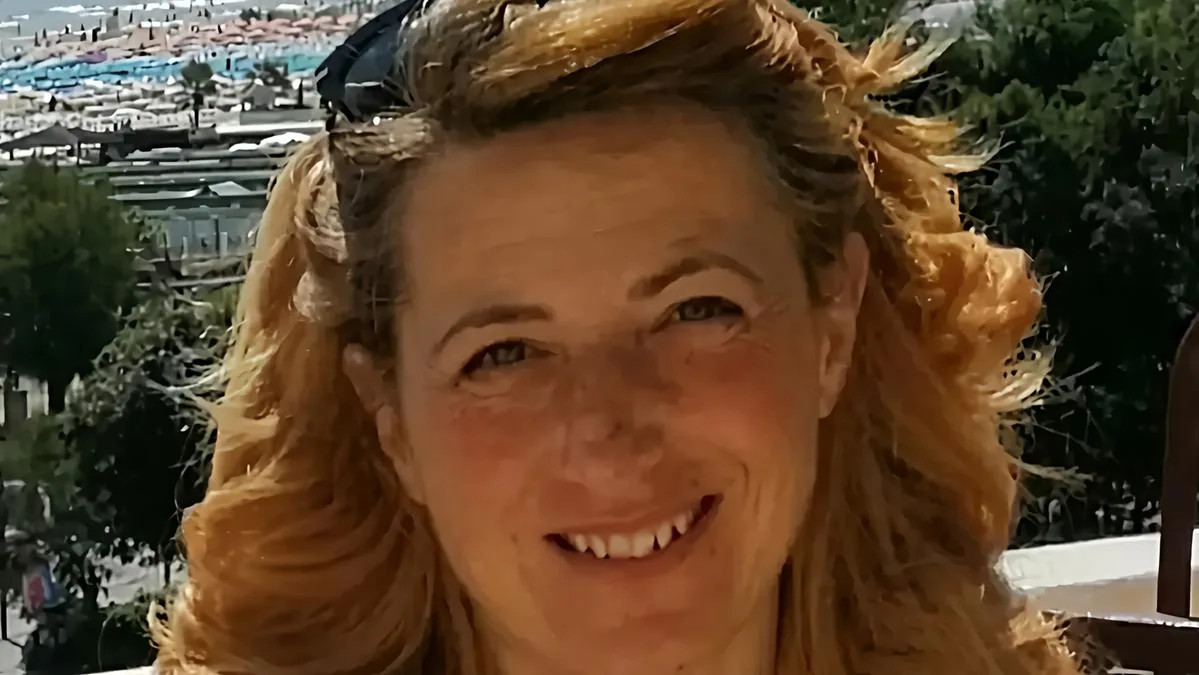
Rimini, July 13, 2026 – There are lives that are not measured in years, but in heartbeats. The life of Roberta Di Benedetto is a complex score, where fear has never won against the melody of courage. The story of the 56-year-old from Rimini, brought back into the spotlight thanks to the touching episode of the Rai3 program ‘Che ci faccio qui’ hosted by Domenico Iannacone, is a journey along the boundaries of medicine and human resilience, supported by an extraordinary network of family love.
That breath too short when she was 10 years old
It all started when Roberta was 10 years old. When the ceiling of her little room became the perimeter of a breath too short. “I would wake up at night feeling like I was suffocating. When the heart doesn’t work, nothing works.” The doctors gave her parents a very narrow time horizon, adolescence as an impassable shadow line.
“My parents lived in fear, but they didn’t pass it on to me. They were two young people facing something enormous, but they never gave up.”
First the chief physician of the Rimini hospital, Giovanni Enrico Antonioli, then the cardiac surgeon from Bergamo, Amando Gamba, became the guardians of that hope.
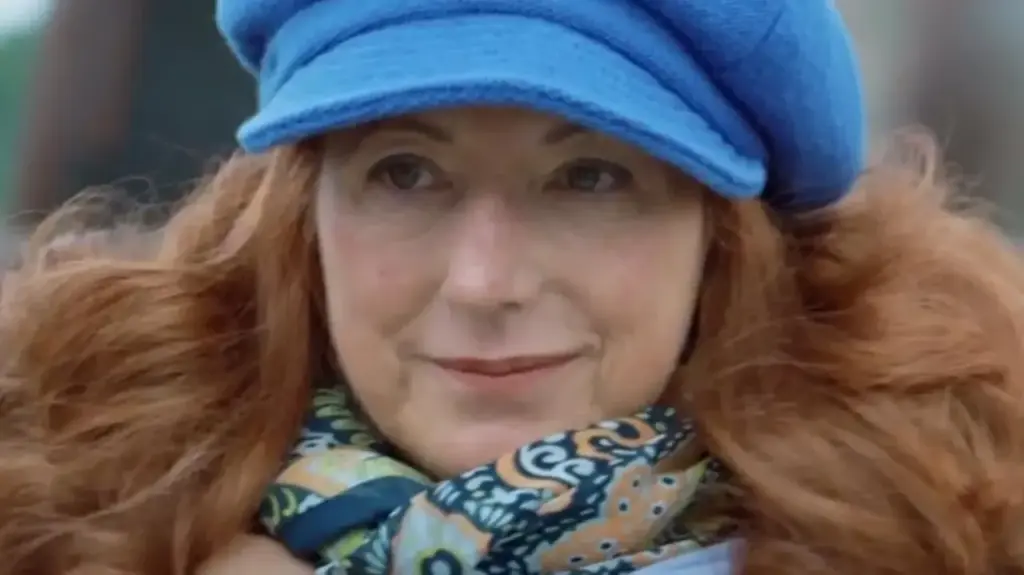
At 29, the first almost science-fiction turning point: a heterotopic transplant. A new heart implanted next to the native one. “I asked Dr. Gamba how many he had done and if they were alive. He answered: five, all alive.”
The next morning, Roberta woke up with a strange symphony in her chest: “I had two hearts, a double beat.”
It was the beginning of a second life spent working, seeking normality, desiring simple things: “Running, I really want to run. Mom and dad taught me strength, surrounding me with love. They were so good that they managed not to make me hate the illness.”
Read more The story of the “Antifascist Pasta” banned by the parish told from the beginning
I would wake up at night feeling like I was suffocating. When the heart doesn’t work, nothing works
The third heart and the wait for the kidney transplant
Seventeen years later, that perfect balance breaks. The donated heart falls ill and a radical intervention is needed: out with the old organs, in with a third heart. “I was exhausted, I wouldn’t have lasted long. I knew this time it would be harder, but I made it. I was born again for the second time.”
Today, the side effect of a life spent defending those hearts with immunosuppressive drugs has taken its toll on the kidneys.
Roberta is on dialysis, again suspended in the time of waiting for a kidney transplant.
“I’m waiting for the phone to ring. When it happens, it will mean that someone has given me a gift. Another gift.” An invisible thread that binds her, once again, to the unknown generosity of another human being.