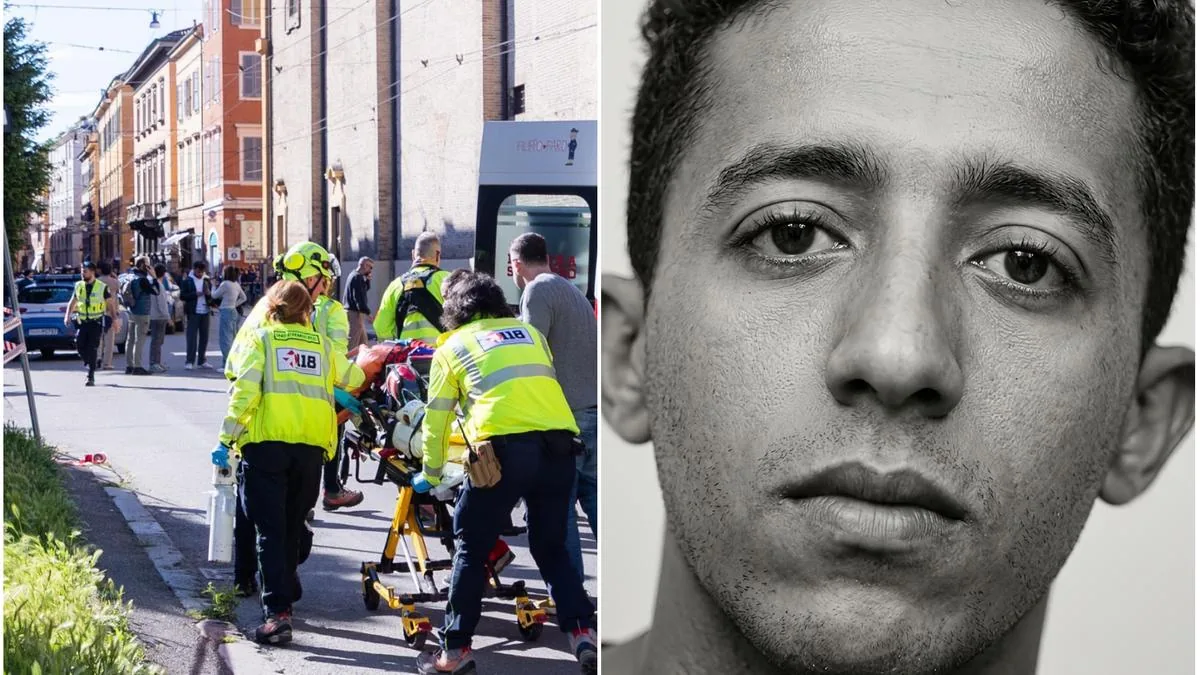









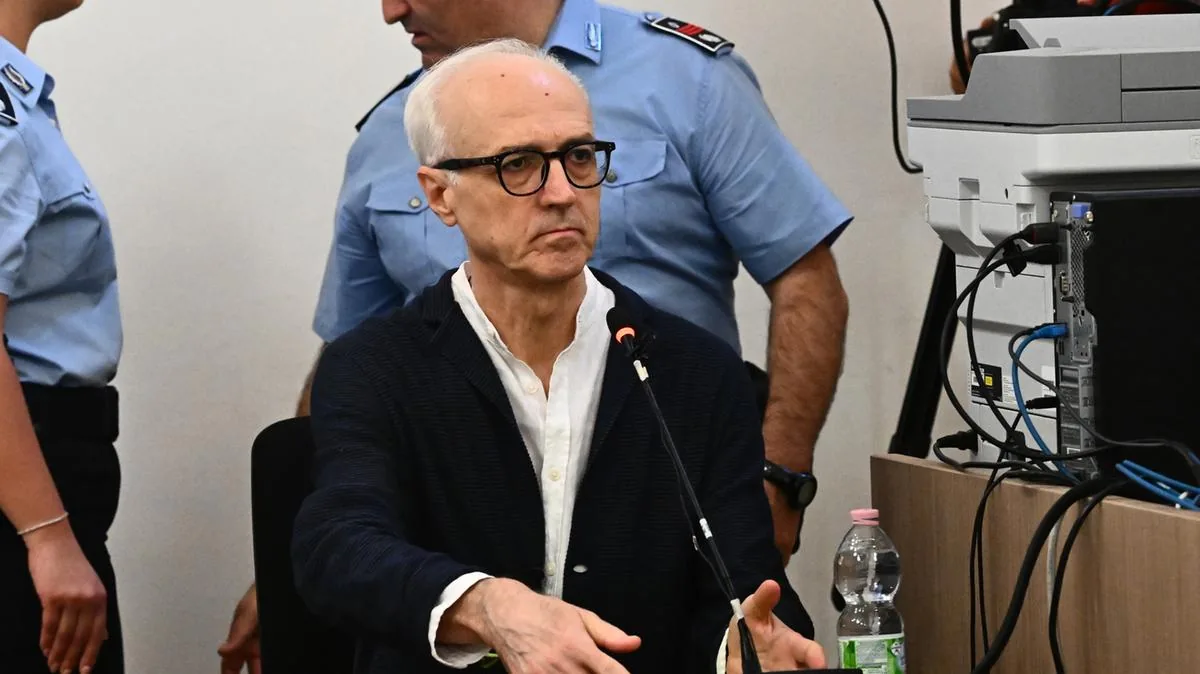
Anzola nell’Emilia (Bologna), June 4, 2026 – The appeal has been filed for Giampiero Gualandi, the former commander of the local police in Anzola, sentenced to life imprisonment in the first instance for killing his colleague Sofia Stefani, 33, with whom he had an extramarital affair, on May 16, 2024.
Read more Virtus falls in Venice, the extraordinary Edwards is not enough

The reasons for the appeal
“From reading the sentence that found Gualandi guilty of voluntary homicide, a constant attempt emerges to neutralize every piece of evidence offered in support of the alternative reconstruction put forward by the defendant, cultivated by neglecting logic, ignoring findings, scientific contributions, deforming and trivializing the defendant’s statements and every voice dissonant with the prosecution’s hypothesis.” This is what lawyers Claudio Benenati and Lorenzo Valgimigli, defenders of the 64-year-old, argue in the appeal filed yesterday. “We believe that the interpretation of the collected materials given by the Court is not correct – says Benenati –, it is erroneous and was also flawed by suggestions and evaluations that went beyond the decisional theme.” The proposed interpretations and arguments used to support the conviction decision are not convincing. We believe that there is not a single element among those acquired in the trial, or in any case valued by the Court, that demonstrates the voluntariness of the act; and we believe, on the contrary, that all the collected elements point to non-intentionality, to an accident. We are confident, however, in the new appeal judgment and in a reform of the sentence.”
For the Court of Assizes, it was voluntary homicide
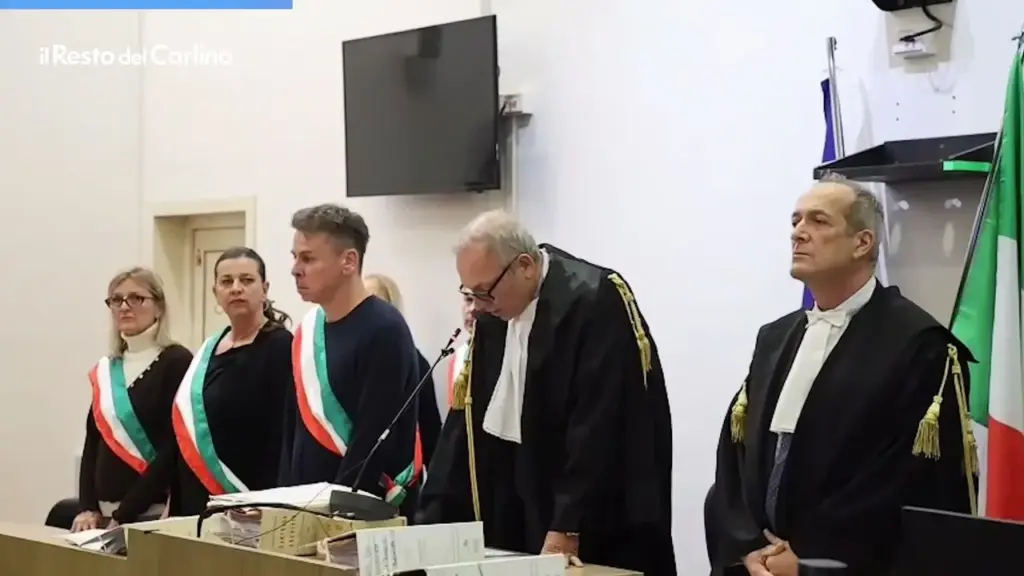
For the Court of Assizes, it was a voluntary homicide, not an accident as Gualandi has always maintained, who spoke of a shot fired accidentally during a struggle. An “unintended tragedy,” according to the former commander. According to the prosecution’s reconstruction, however, Gualandi killed Stefani to save his marriage. A thesis that Gualandi’s lawyers will try to overturn. The judges of the second instance will indeed be asked to reclassify the crime as negligent homicide with the granting of generic mitigating circumstances and the reduction for the abbreviated procedure or, in alternative, as preterintentional homicide with the exclusion of aggravating circumstances.
Read more Uno Bianca, Thursday the interrogation of Roberto and Fabio Savi
The circumstantial evidence
“In the first-instance trial, a thorough critical examination of the alternative dynamic proposed by the defendant was lacking,” the lawyers write. And again, “the circumstantial evidence that confirmed this reconstruction was incongruously rejected after a superficial analysis, and some of it was not even considered.” For Benenati and Valgimigli, “the hope is that in the appeal there will be a rigorous examination of all the elements,” which for the defense lead to “reclassifying the act within its proper scope, namely as negligent homicide for which the defendant will certainly have to answer.” In the grounds for appeal, the lawyers focus on facts, attitudes, words: from the cleaning of the weapon to the extramarital affair, from the reactions and behaviors immediately after the murder to the statements that emerged during the trial.
According to the lawyers, it made no sense for Gualandi to kill her
According to Gualandi’s lawyers, it would have made no sense for him to decide to kill her, if the goal was to prevent everything from coming out, because every detail of their relationship would undoubtedly have emerged in the event of a murder. Moreover, he knew that he would also completely ruin his own life. The appeal also focuses on what was said about Gualandi immediately after the incident: not showing obvious reactions and since no one saw him desperate and afflicted, he was defined as “a cold calculator.” But the lawyers emphasize that being “apparently detached and emotionless was the result of a precise psychological condition called affective or emotional anesthesia” and add that he had been like that even before Sofia’s tragedy. Affective anesthesia and post-traumatic stress shock, they point out, were also diagnosed in prison.
Read more Baby thieves with a baton. “Our 11-year-old children threatened and robbed of their bicycles”