









Morrovalle (Macerata), July 23, 2026 – A case of infection by Toscana virus in Morrovalle.
It was certified by the complex operational unit Isp- Hygiene of open and confined environments of Ast Macerata.
Its origin
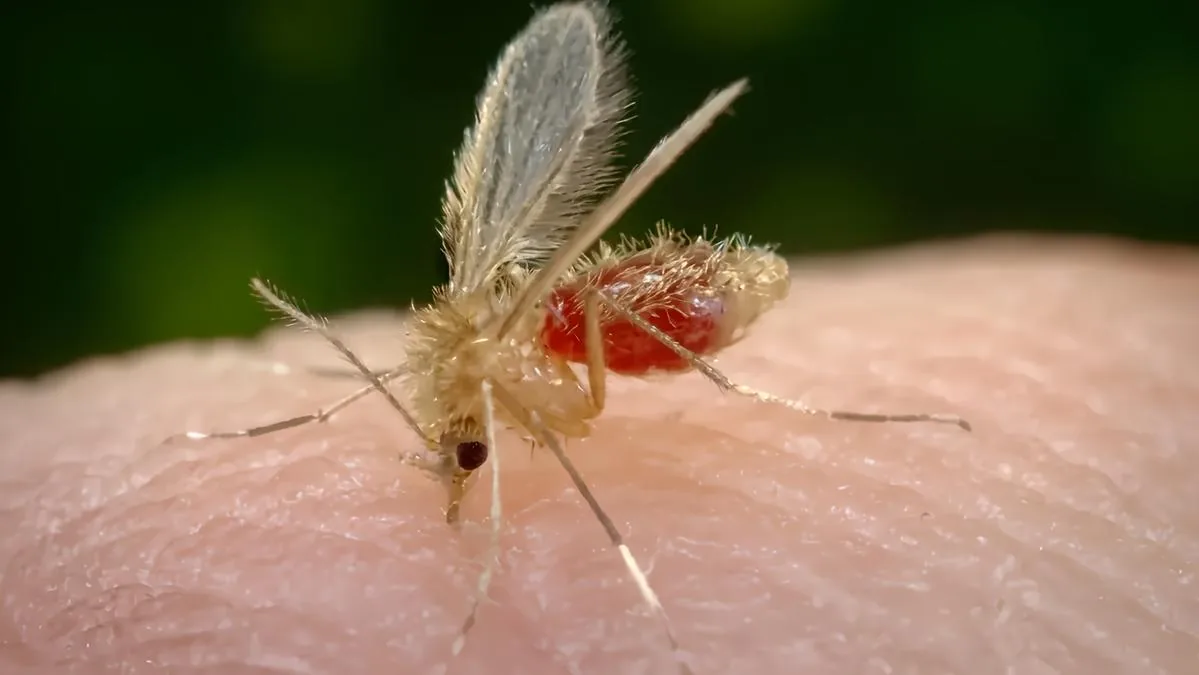
The virus can be transmitted by the bite of sandflies, small blood-feeding insects active especially during twilight and night hours during the warm months and, in a small percentage of infected people, it can cause serious diseases such as meningitis and meningoencephalitis.
Since egg-laying can occur in any substrate rich in organic material and humidity and not exposed to sunlight, both in domestic and wild environments, from the perspective of combating the vector, larval foci are not aggregable, just as disinfestation with adulticides with residual action proves ineffective.
Read more Emilia-Romagna approves the law on assisted suicide
The Municipality of Morrovalle has already taken action to verify the adequate maintenance of public green areas and the banks of watercourses.
It was isolated in the Seventies in Tuscany
“The Toscana virus (TOSV) takes its name from the region where it was isolated in the early 1970s by Dr. Paola Verani and her collaborators at the Istituto Superiore di Sanità – as explained on the Emilia Romagna Health Service website –. The incubation period varies from a few days to two weeks, and in most cases, the virus causes a mild and self-limiting febrile illness. In more severe forms, the onset of symptoms is sudden and characterized by headache, fever, nausea, vomiting, and muscle pain. The presence of maculopapular skin rash has been reported. It can cause meningitis and meningoencephalitis. The symptoms typically last 7 days and generally result in recovery. The infection can also be asymptomatic”.