
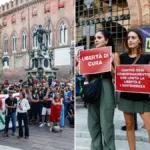



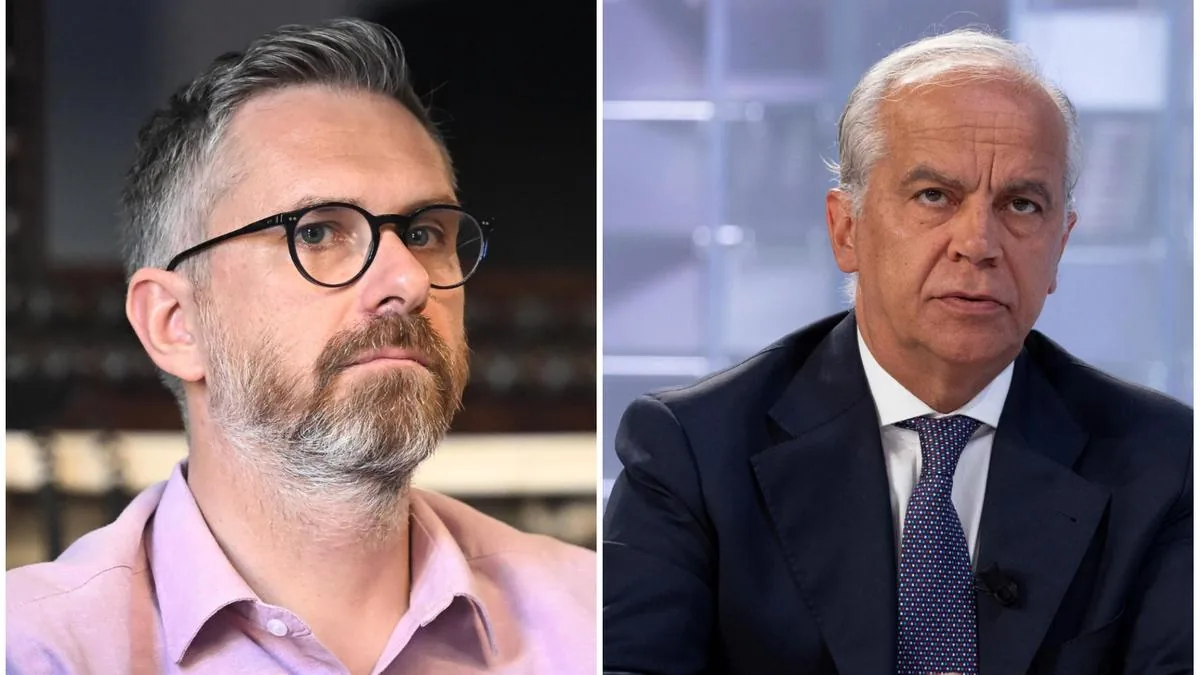
Bologna, July 24, 2026 – “There is an element of seriousness in a mayor who, evidently, unwittingly convenes a square and underestimates what can happen”, considering, among other things, that “he knows what is in Bologna“.
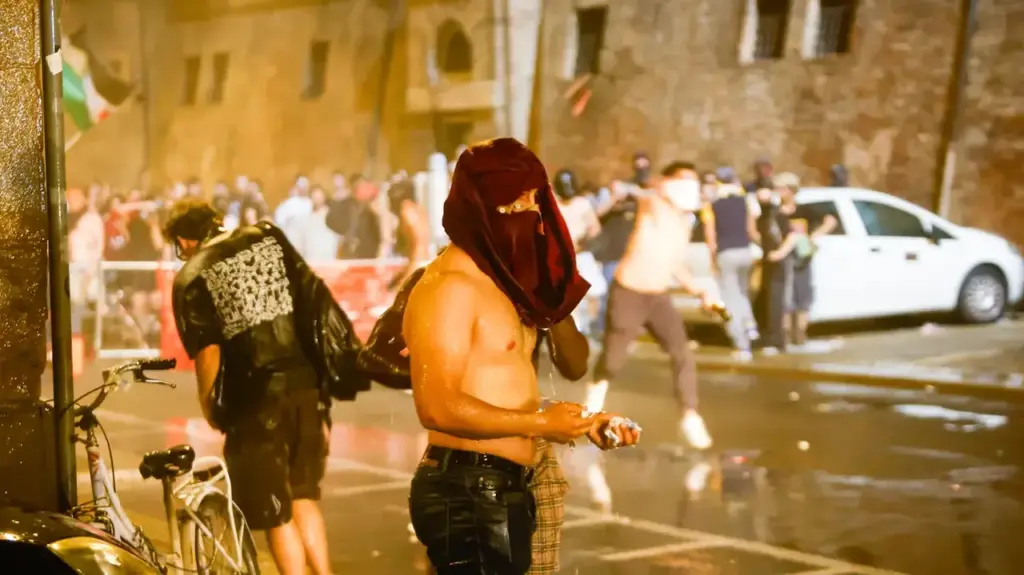
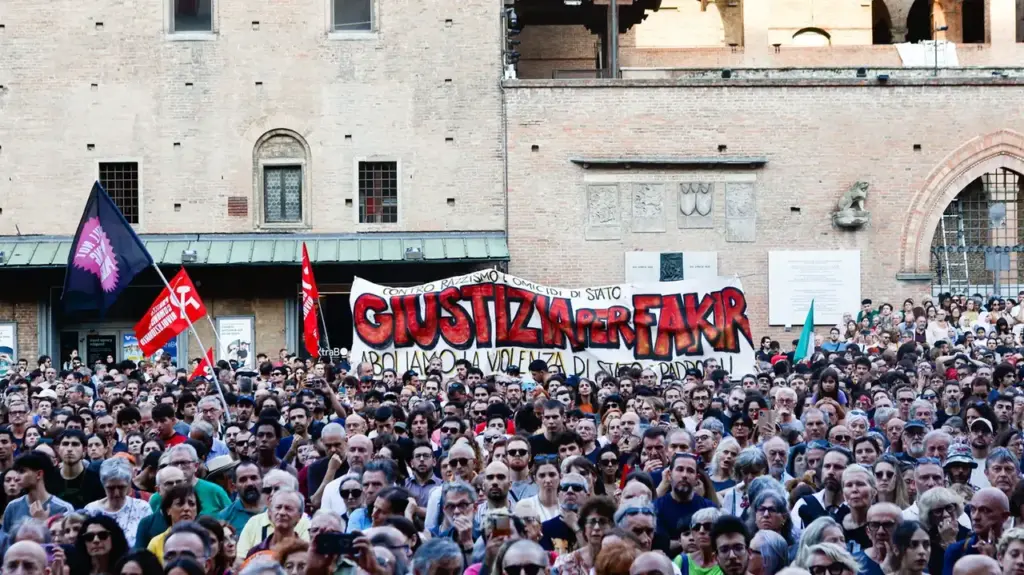
Minister Matteo Piantedosi does not mince words with Mayor Matteo Lepore: the head of the Interior Ministry, guest on L’aria che tira on La 7, intervenes live on the evening of guerrilla warfare that, on Monday, besieged the historic center for four hours. Disorders and clashes (with 64 officers injured and damages for more than 200 thousand euros) arose following the square convened by the mayor in Piazza del Nettuno. In light of these facts, “I’m not saying the mayor should apologize, but there was something he should acknowledge and offer an assessment, given that police officers were attacked and” the city “was trashed.”
The ‘precedent’ in November with the match between Virtus and Maccabi Tel Aviv
To emphasize this “underestimation,” Piantedosi goes back a few months, to November, on the occasion of the match between Virtus and Maccabi Tel Aviv which took place amidst disorders at PalaDozza. On that occasion, “the mayor himself, aware of what was happening in his territory, had urged me to accept blackmail,” which was “not to let an Israeli team play, because he knew that this went against the will of these social centers.” The Interior Ministry’s response was negative “for a very simple reason – Piantedosi states –. I could never have handed over the agenda of public events to antagonistic groups, to violent people, as they proved to be in that situation and in this one. So it seemed like a normal thing to me.” A precedent, therefore, that “testifies that the mayor knows who he is dealing with in his territory.”
The work of the police forces
What happened in Via Svevo is “yet another episode that testifies to the complexity of the work of the police forces. From the videos, it appears that the police approached with the delicacy required in these cases.” Those who intervene and operate in such situations “must make decisions within a few seconds – continues the minister –. I believe there has been all the attention and balance needed in these cases; we await the investigations of the judiciary, but I believe we are moving towards recognizing the correctness of the operators.”
Read more Fakir in hospital in June: “Help, I am depressed. I need a psychiatrist”
Death “in the hands of the State”
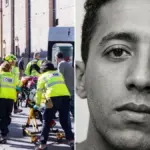
On the death of Abderrhaim Fakir: “When a person dies in the hands of the State, guilty or innocent will be seen in the investigations, and in the hands of institutional representatives, it is something that causes great pain.” But that this “should translate into an act of substantial distrust of what institutions can do, that is, the judicial authority, and therefore convene a square to demand truth and justice, as if this were necessary, I believe is wrong.” This is because “truth and justice must be sought from those who are responsible for them.”
Psychological distress
From the images circulated online and those acquired by the Prosecutor’s Office, it emerges that Fakir “is a person in a state of psychological distress. The matter will be clarified – states Piantedosi – but we must also consider the role of the police forces,” which is often “subsidiary – explains the head of the Interior Ministry –. This is yet another person, as in the case of Modena, who had resorted to the healthcare system, which is also one of the best in Italy, but which in fact failed to address the problem this young man had and to ensure that, instead of being treated by police officers, he was treated by someone else. Therefore, we add to the assessment of the complexity of the role of the police forces, also that of sometimes having to be on the street to remedy and subsidize something that has not been expressed elsewhere.”
Trust in investigative activities
“I trust the judicial authority: the judges will make their assessments and the investigations will take their course. I believe there are grounds for recognizing the correctness of the operators, but we can expect anything; we are only at the beginning of the evaluation of the matter.” In saying this, the Minister of the Interior specifies that “I have not requested the images” from the body cams, precisely so as not to “create moments of interference with respect to judicial mechanisms. I have seen the images that have become public domain.”