








Bologna, July 31, 2026 – The Emilia-Romagna Region has declared a regional state of crisis after two violent storms that hit the area on July 15 and between July 18 and 21. President Michele de Pascale signed the decree that will allow the activation of procedures provided by regional regulations to address the emergency and accelerate safety and restoration interventions in the affected areas.
Read more Vasco Rossi remembers Guido Elmi: “9 years without you. Always alive in our hearts”
The measure
The measure, valid for 180 days, concerns 117 Municipalities distributed across seven provinces and allows the Region to take institutional coordination of interventions, activating the necessary resources to deal with the damage caused by the bad weather.
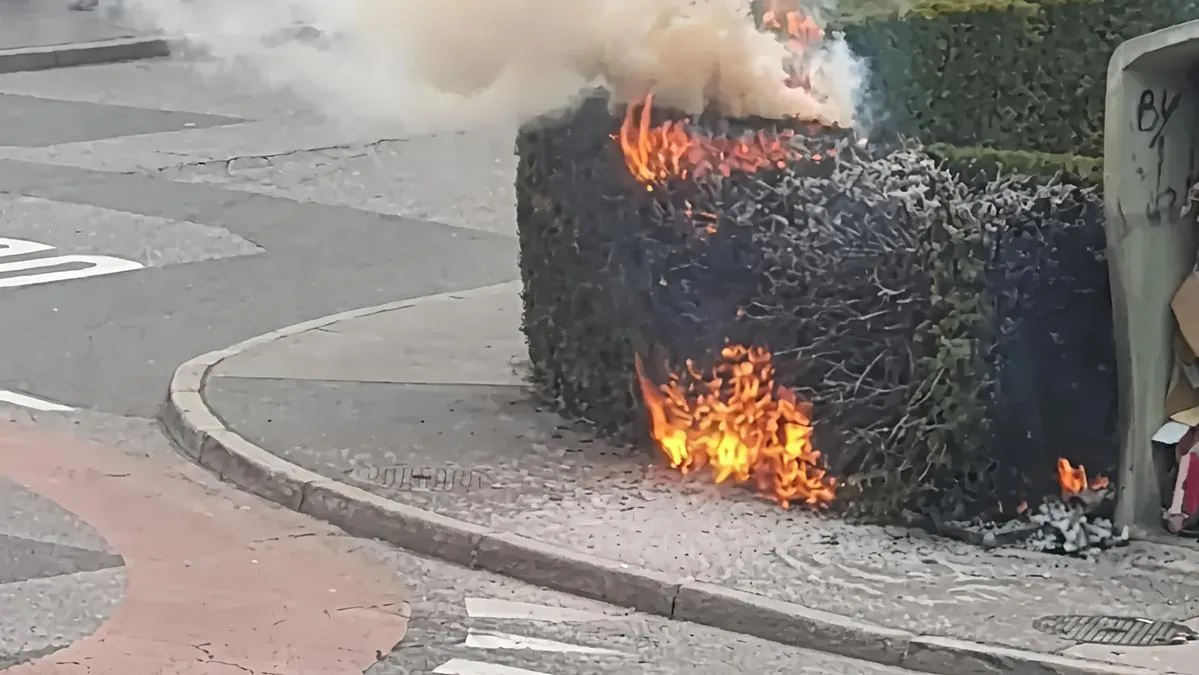
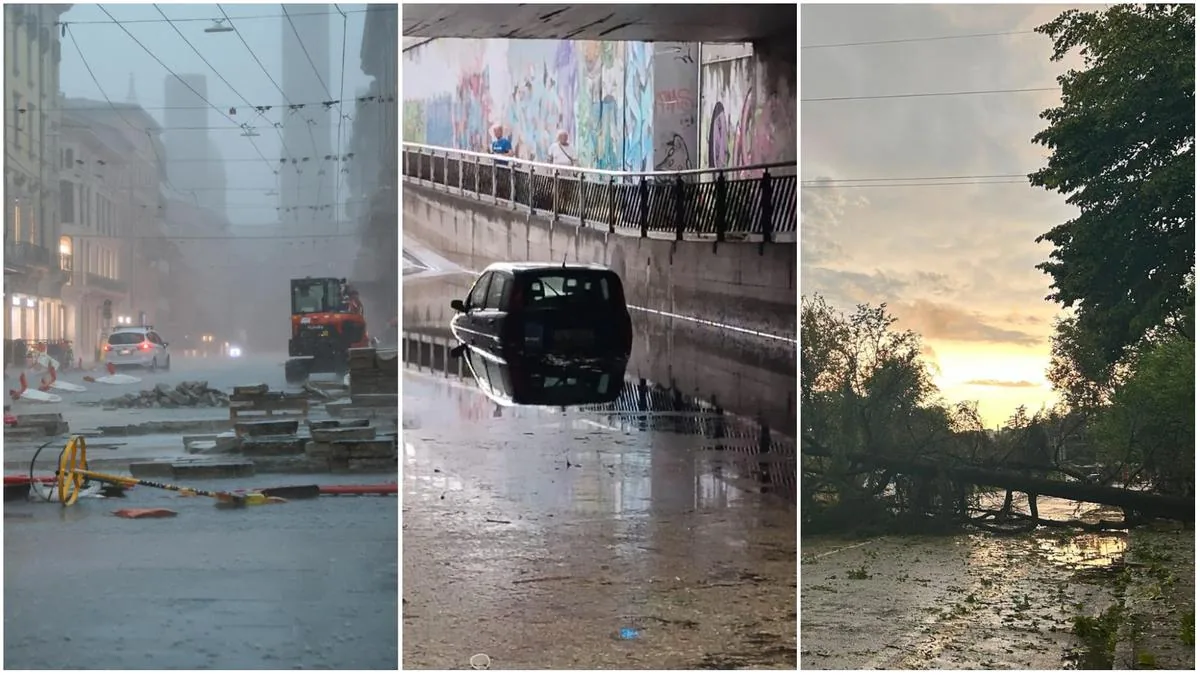
The two waves of extreme events caused widespread critical issues to roads and services, as well as damage to infrastructure, public and private buildings, productive and agricultural activities. In particular, there were roof blow-offs, numerous fallen trees, interruptions to road and rail networks, problems with essential services and, in some cases, evacuation of family units.
The decision was made based on surveys carried out by local authorities during and after the weather events, transmitted to the Regional Operations Center and the territorial offices of the Regional Agency for Territorial Safety and Civil Protection.
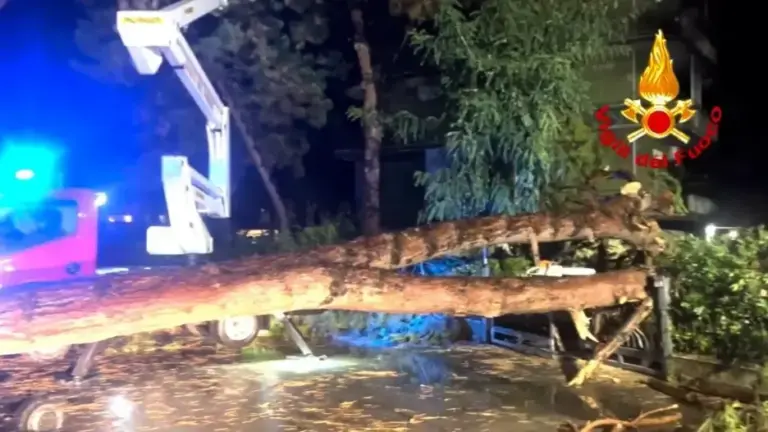
Trees fallen due to bad weather
The state of crisis concerns 117 Municipalities
- in the province of Parma: Busseto, Colorno, Felino, Langhirano, Montechiarugolo, Parma, Sala Baganza, Soragna, Sorbolo-Mezzani and Torrile;
- in the province of Reggio Emilia: Albinea, Bagnolo in Piano, Bibbiano, Boretto, Brescello, Cadelbosco di Sopra, Campagnola Emilia, Campegine, Casalgrande, Castelnovo Sotto, Cavriago, Correggio, Fabbrico, Gattatico, Gualtieri, Guastalla, Luzzara, Montecchio Emilia, Novellara, Poviglio, Reggio Emilia, Reggiolo, Rio Saliceto, Rolo, Rubiera, San Martino in Rio, Sant’Ilario d’Enza and Scandiano;
- in the province of Modena: Bastiglia, Bomporto, Campogalliano, Camposanto, Carpi, Castelfranco Emilia, Castelnuovo Rangone, Cavezzo, Concordia sulla Secchia, Finale Emilia, Fiorano, Formigine, Medolla, Mirandola, Modena, Nonantola, Novi di Modena, Ravarino, San Cesario sul Panaro, San Felice sul Panaro, San Possidonio, San Prospero, Savignano sul Panaro, Soliera, Spilamberto, Vignola;
- in the province of Bologna: Anzola dell’Emilia, Baricella, Bologna, Budrio, Casalecchio di Reno, Castel Guelfo, Castel Maggiore, Castello d’Argile, Castenaso, Crevalcore, Galliera, Imola, Malalbergo, Medicina, Molinella, Pieve di Cento, Sala Bolognese, San Giovanni in Persiceto, San Lazzaro di Savena, San Pietro in Casale, Valsamoggia, Zola Predosa;
- in the province of Ferrara: Argenta, Bondeno, Cento, Codigoro, Comacchio, Copparo, Ferrara, Fiscaglia, Jolanda di Savoia, Lagosanto, Masi Torello, Mesola, Ostellato, Poggio Renatico, Portomaggiore, Riva del Po, Terre del Reno, Tresignana, Vigarano Mainarda, Voghiera;
- in the province of Ravenna: Bagnacavallo, Castel Bolognese, Cervia, Cotignola, Faenza, Lugo, Ravenna, Riolo Terme, Russi, Solarolo;
- in the province of Forlì-Cesena: Cesenatico.
The Regional Agency for Territorial Safety and Civil Protection has worked in coordination with mayors, Municipal Operations Centers, Prefectures, Firefighters and Civil Protection volunteers to manage emergencies and facilitate the quickest return to normality.
The first wave of bad weather
The first wave of bad weather, on July 15, was characterized by very intense rainfall, hailstorms, strong electrical activity and wind gusts exceeding 75 kilometers per hour, with peaks over 119 kilometers per hour and downburst phenomena in some areas.
The second wave of bad weather
The second, between July 18 and 21, mainly affected the Ferrara area, Ravenna area and the coastal stretch between Cervia and Cesenatico, with violent thunderstorms, medium and large hailstones and wind gusts exceeding 80 kilometers per hour. Exceptional rainfall amounts concentrated in just 15 minutes were recorded in several provinces, confirming the exceptional nature of the weather events.