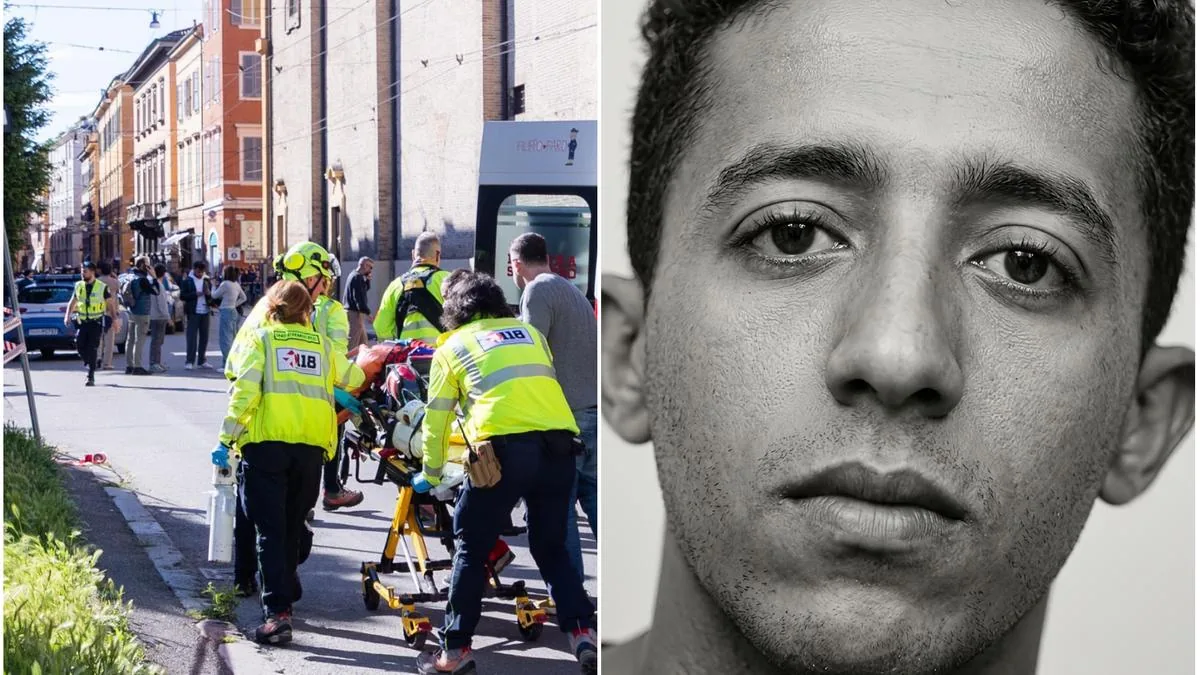






Bologna, August 26, 2026 – The voice is agitated. It oozes all the anxiety and worry accumulated over the past abundant month spent hiding. Hiding from the very neighborhood where he lives and grew up. Hidden, from those who “just a few hours after Abderrahim Fakir’s death threatened me, beat me up, and forced me to leave my home in Pilastro, fearing for my safety.” Of Kosovar origin, 37 years old (35 of which lived in Italy) and three children, he is the man immortalized in the videos released about the tragedy in via Svevo while holding the 42-year-old Moroccan by the feet, who later died at the height of the police containment. “But I just wanted to help Fakir,” he states.
Read more Scare for Sofia Raffaeli, accident on A14: crash into a truck, the athlete in hospital
Rewinding the clocks to the morning of July 19, what do you remember? When did you first see Fakir in via Svevo?
“It must have been 10:45 AM. His screams woke me up, and I looked out the window. I saw him screaming, banging his head against the concrete. He was hurting himself, he was unwell.”
And what did you do?
“I didn’t know him. I saw the police arrive, and then the officers, noticing me looking out from the balcony, asked me to come down and bring some water for him.”
So you come downstairs. Then what happens?
“That guy wouldn’t stop agitated. He was unwell, but no one seemed to know him there in via Svevo. The situation escalated when, after at least an hour of attempts to calm him down, Fakir approached a guy who was parking.”
Did he attack him?
“No, first he hit the car, then I saw him approach this person, putting an arm around their shoulders, but it didn’t seem violent to me: more like leaning on them. At that moment, the police decided to act, perhaps fearing that the situation would escalate.”
At what point in the containment did you intervene?
“Initially, a Moroccan compatriot of Fakir’s was holding his feet. I would never have dreamed of intervening if that person hadn’t asked me to.”
What did he ask you?
“This: to hold Fakir’s feet myself.”
And the two police officers?
“One of them told me to block him ‘well’ because they would then have to take him away for treatment. He was very agitated. But the two officers didn’t want to harm him, just restrain him.”
Have you spoken with the prosecutor’s office?
“Certainly. I was always the first to notice that something was wrong. I asked: ‘Guys, is he still breathing?’. It can also be heard in the videos. The investigators have already listened to me twice, but now I need help, I’m no longer safe.”
On what basis do you make this statement?
“On the evening of the tragedy, I was surrounded by a group of guys from the neighborhood. They beat me up, threatened me: ‘You have to disappear,’ they told me.”
So you left Pilastro immediately?
“Immediately. I felt in danger. I went back a few nights to help my mother, and on one occasion, the neighbors told me: ‘Get out of here, if they see you, they’ll smash your head in.’”
Have you reported it?
“No, but if I receive threats again, I will.”
And how do you live now?
“In terror. At friends’ houses, far away. I sleep two hours a night, I had to stop working, and I need help finding new accommodation.”
How do you see your future?
“What future? I want to leave here, leave the country because I’m scared. But I just want peace and quiet. I didn’t do anything, and I’m devastated by what happened to Fakir.”
Have you spoken with the 42-year-old’s family?
“I wish they would help me make them understand that I had nothing to do with it. There were four of us that day trying to calm him down, so why did they only target me?”