
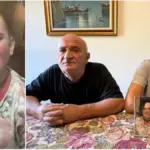


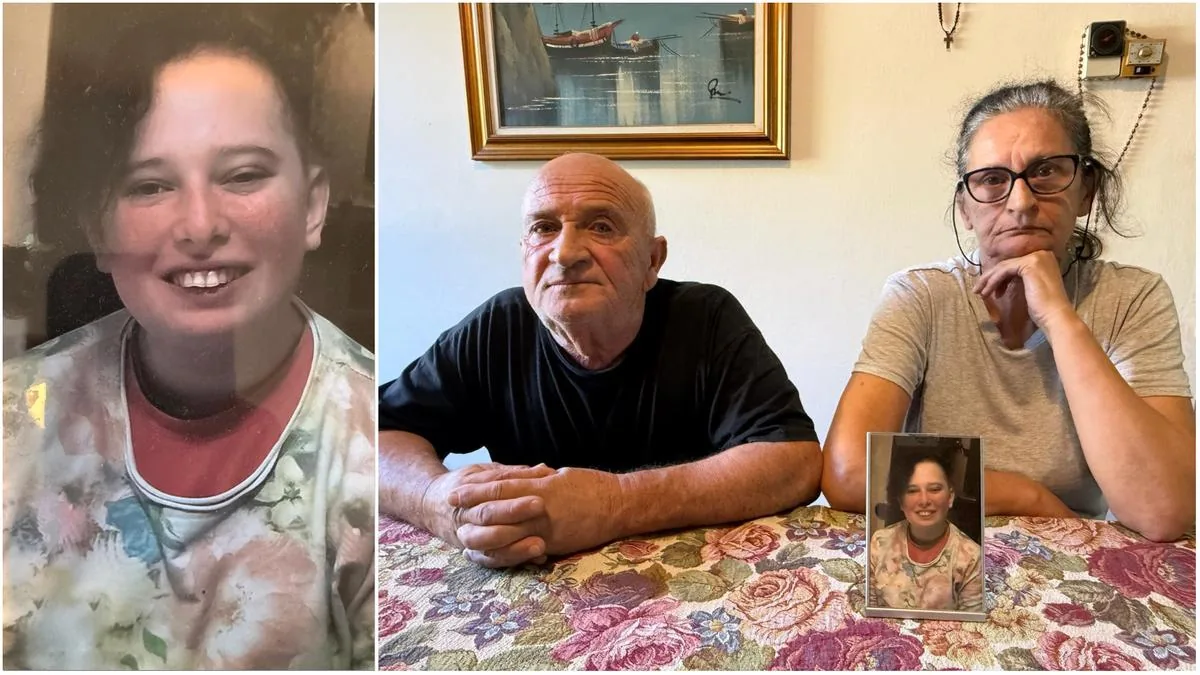
Pesaro, September 13, 2026 – “They killed her”. Mara Gambioli, Monia’s mother, says this sitting in the family home in Acqualagna, just steps from the Pelingo sanctuary. Outside there is the quiet of the inland, one of those places that seem made just for peace. Mara and her husband Sinoe Grilli, however, do not find peace.
Read more Assault on influencers in Venice, towards complaints and Daspo: cameras under scrutiny
Since Monia died, at 32 years old, they have been desperately trying to understand what happened to their beloved daughter. Sinoe and Mara’s family grew up the old-fashioned way, very close-knit. Sinoe, 70 years old, was a stonemason craftsman, a trade passed down through generations: someone used to working stone, digging into rock. Now he wants to dig into a story in which, he says, too many things are still unanswered. Mara, 62 years old, worked for some years as a cook, then left to dedicate herself to the family and especially to Monia, who needed to be cared for due to her disability. “I never left her,” she repeats. Then came the tumor, the discovery of HPV, and the suspicion of possible sexual violence.
What kind of girl was Monia?
“She was cheerful, she liked playing the guitar, singing, dancing, drawing. She liked writing. She had her own way of joking, her own world. But she was a girl full of life.”
How independent was she?
“She couldn’t go out alone. When she went to school she had support and even afterwards she always needed to be followed. When she went out, she always did so with us, with her sister or with other family members. Even crossing a street alone was difficult for her. She was never left alone.”
Besides the family, did she also attend other environments?
“Yes, a day center, for years. She left in the morning and returned around four in the afternoon. They did activities, gym, cooked, she played the guitar. It was a way to have her do activities and be with others.” Today you wonder what and where happened?
“That’s what we want to understand. We know the life she led and the people she frequented. Now we want the truth to be discovered.”
When did you realize that behind the tumor there could be something else?
“When the chief physician called us. He told us Monia had a tumor. Right there the world falls on you. Then he explained there was more, he told us about HPV and sexual transmission. It was the second cold shower. From that moment we began to ask ourselves how it was possible.”
Have you ever noticed anything that today makes you think Monia was afraid or trying to communicate with you?
“Not then. Today we think back on everything and ask ourselves many questions. There are episodes that come back to mind today, but how can we know if they meant something? At the time we couldn’t think of such a thing.”
Why did you decide to tell this story?
“Because we want people to know. We want truth and justice for Monia. For us, someone might know something and, if they do, they must speak.”
What would you say to that person?
“To put a hand on their conscience. Even something that may seem small could help. We want truth and justice for our daughter.”
Read more Honorary citizenship of Marzabotto to Francesca Albanese: the ceremony is a puzzle