


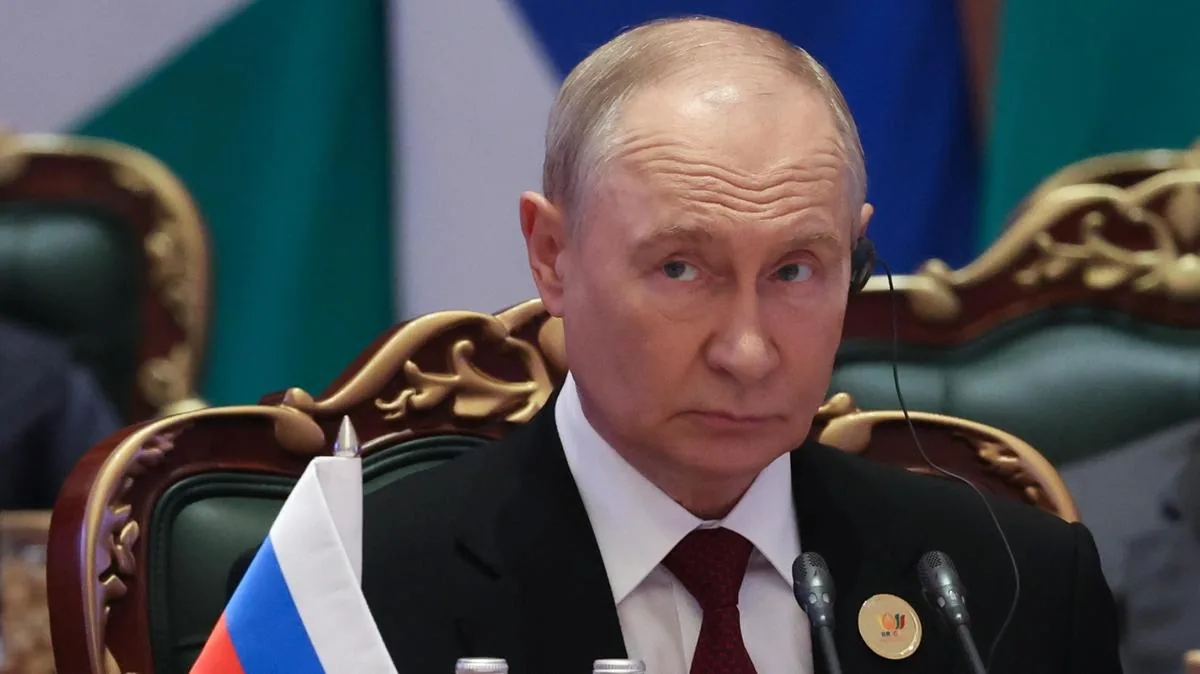
Rome, September 14, 2026 – The Russian president, Vladimir Putin, is caught between two fires. On one side, there are those who want to carry on the war indefinitely, on the other those who think that it has lasted too long. The Kremlin chief belongs to the first category, but he has two serious problems. The first is that he must find a way to continue the conflict without weighing too heavily on the Russian people, a practically impossible mission, for the reasons we will see shortly. The second is that even if he wanted to stop, he could not. At stake is his political survival, according to the most ruthless analysts, his survival outright.
Read more Casini becomes a grandfather: little Camillo is born. “But keep calling me Pier Ferdinando”
The obstacles of Moscow
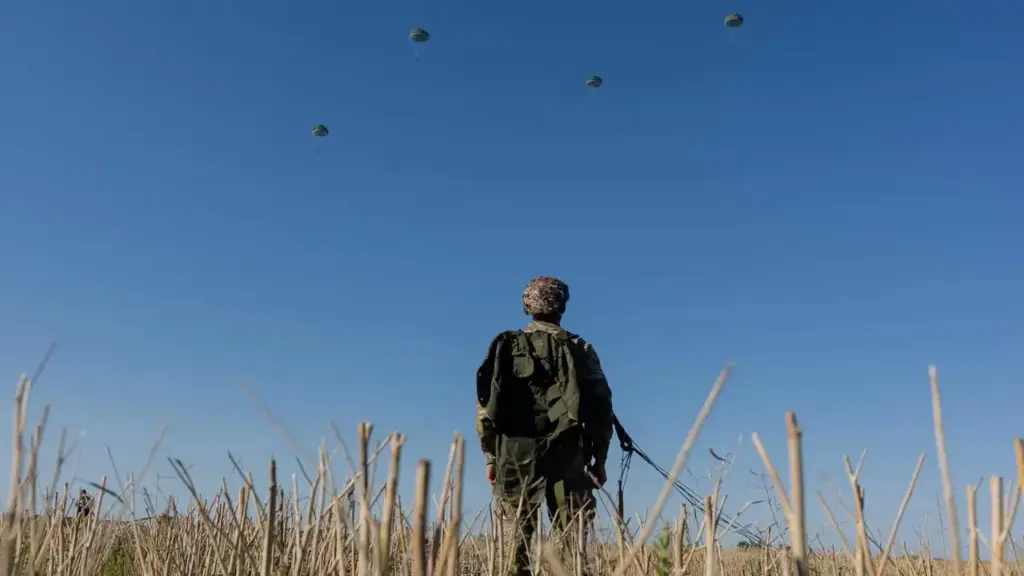
The fact is that, according to the Institute for the Study of War (ISW), a think tank involving American analysts and military personnel, Russian generals have asked President Vladimir Putin for another 800,000 men to support and expand offensive operations in Ukraine. Nearly a million soldiers is impossible to recruit covertly and under the radar as the Kremlin’s number one has been trying to do for months. And the fact that, to definitively defeat Ukraine, so many are needed suggests that the offensive push from Red Square is encountering increasingly stiff obstacles, clashing with huge human losses and the progressive tactical initiative recovery by the Kyiv armed forces at key points on the front.
The Ukrainian army resists
Certainly, the request for 800,000 men contrasts with the Kremlin’s triumphant narrative, according to which the military operation is proceeding according to the established plans. In reality, ISW’s analytical estimates show that, between the end of 2025 and the first nine months of 2026, the Ukrainian army has successfully contested the strategic and operational initiative on the ground, interrupting the constant horizontal advance dynamic that Moscow’s units sought to impose after the summer campaigns of previous years.
The bombs on Moscow’s energy
To this must be added another factor, namely that internal conditions in Russia are progressively worsening. Ukrainian bombings on energy infrastructure have caused such a significant shortage of gasoline and diesel that Moscow has been forced to import it and President Putin to admit that the economy has problems, but these are also perfectly solvable. Not only that. Russians are increasingly careful about what they buy.
The economy in Russia
According to Rosstat, the Russian Istat, between January and March 2026, residents of Russian cities allocated on average 32.1 percent of their income to food, compared to 32 percent in the same period the previous year. The share allocated to household utilities rose from 10.7 percent to 12 percent, while that for non-food goods fell from 30 percent to 29 percent. In the beauty and health sectors, the contraction was 2-5 percent, in children’s products 8-14 percent, and in household appliances and electronics 10-25 percent. In short, more is spent on food and alcohol, but less is bought and everything else is cut.
Rates and inflation
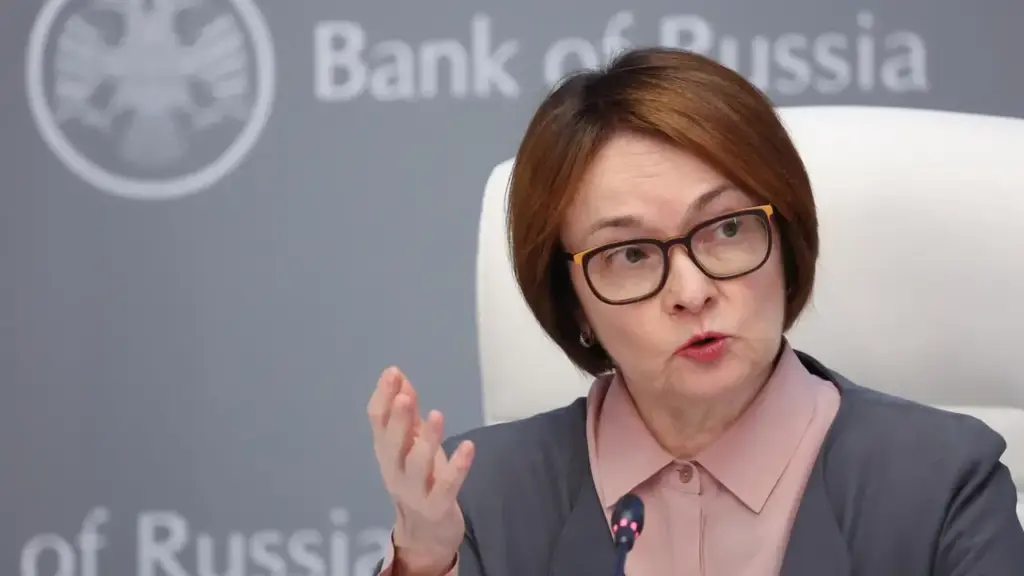
The governor of the Central Bank, Elvira Nabiullina, fears that inflation will get out of control, which is why she decided to keep the benchmark rate at 14% per year, temporarily halting the cycle of rate cuts. The decision reflects the acceleration of inflation recorded during the summer. In July, seasonally adjusted and annualized inflation reached 11.6%, while core inflation rose to 7%. According to central bank estimates, underlying inflation now stands between 5% and 6% on an annualized basis. Initially, the main drivers were price increases in gasoline and diesel, whose effects then spread to business costs and a broader basket of goods and services.
Who works at home?
Finally, it should be added that the national economy has been converted to a war economy, and if Putin were to really send almost a million people to the front, one should then ask who will go to the factories to maintain the pace of industrial production.
Putin’s spring
Both sides hope that winter will come soon, a season in which ground operations slow down considerably due to cold temperatures and terrain conditions. But Putin is aware that either the coup de grâce will come next spring or the only way will be to negotiate with the Ukrainians. Which amounts to saying that the war is lost or at least not won as the tsar had promised.
Read more The secrets of Gugliotta: he did online research on cold cases and Uno Bianca shortly before dying