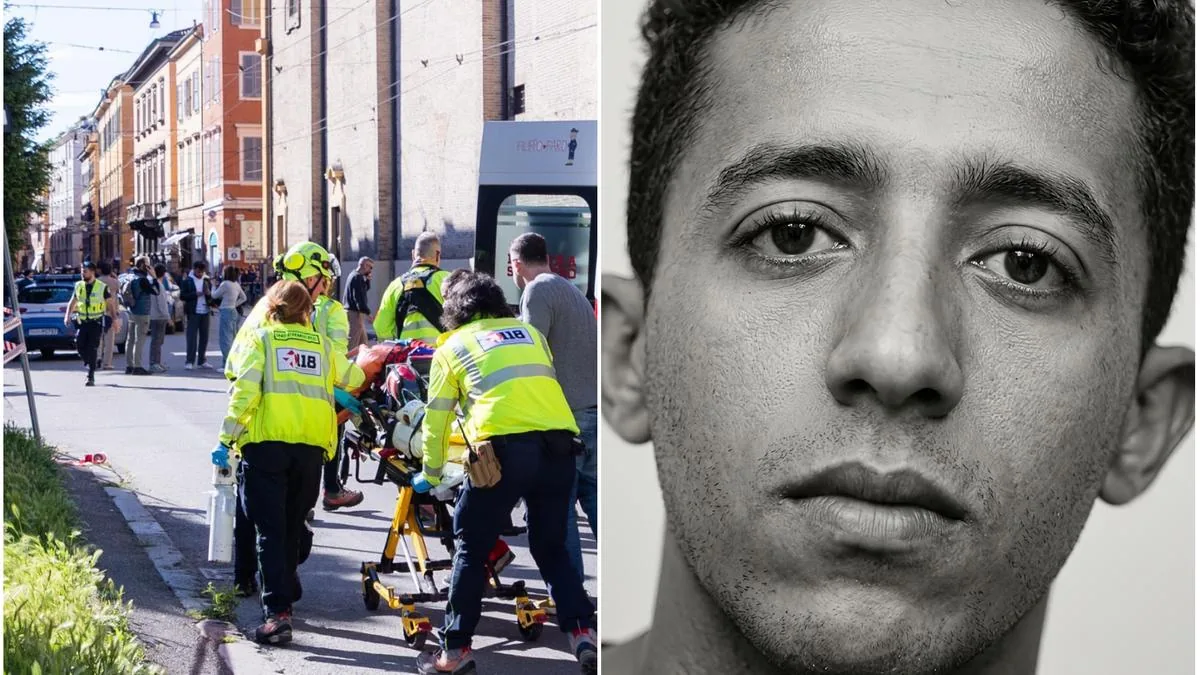






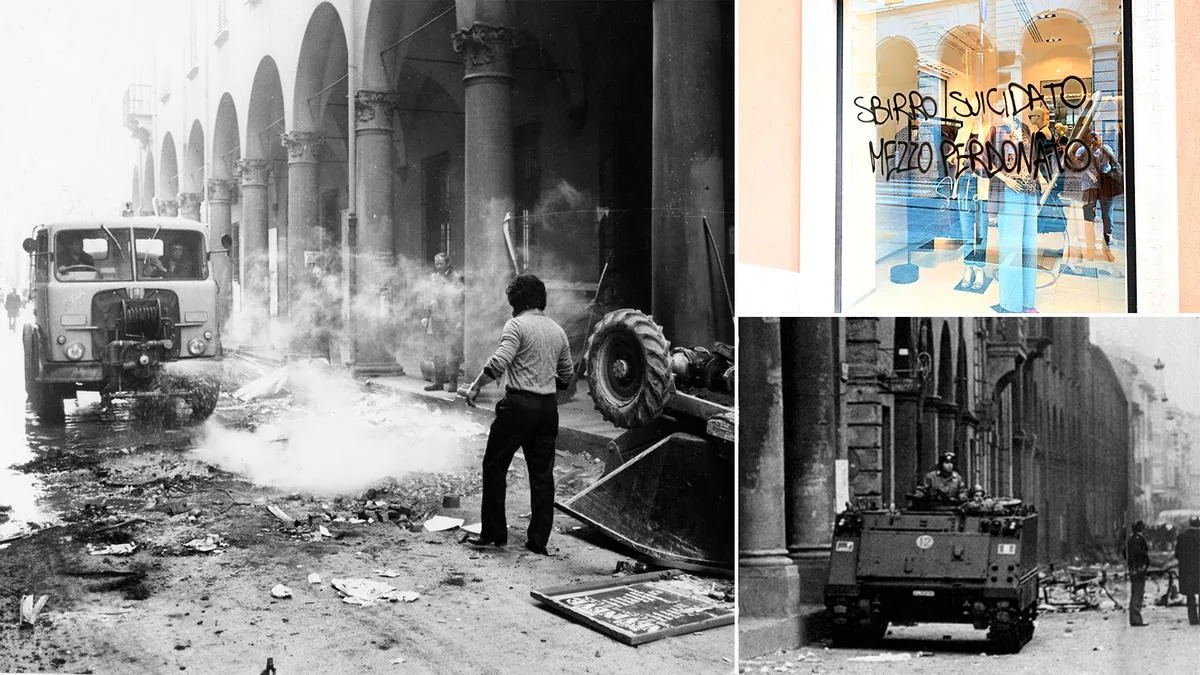
Bologna, July 22, 2026 – On the cracked glass of the shop windows in the center of Bologna, it looks like ’77, but almost fifty years have passed. Yet: “Cop suicided, half forgiven”. And again: “State Murder” with the equation that juxtaposes names and surnames.
Read more Death of Fakir, Ministry of Interior’s verification on the organization of the protest
Yesterday Francesco Lorusso, today Abderrahim Fakir. Then “Death to the guards”: it’s the most popular, the slogan is countless. How unaware is the alphabet of the grandchildren of the autonomists, the heirs of the metropolitan Indians, today ‘maranza’, extremists of grassroots unions and the ‘usual’ antagonistic collectives? How much of those red Saturdays, the Saturdays of blood that brought armored vehicles back into public order service for the first time after the war, is there in the Monday of devastation that has once again exposed the fragility of the country and of a city – Bologna – where conflict ends up making people lose sight of the general interest?
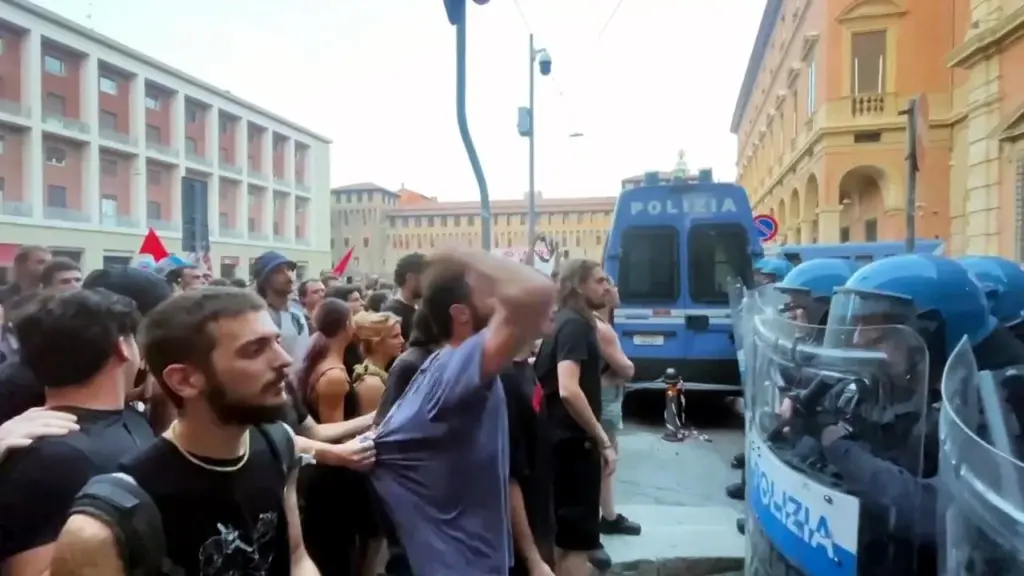
The burning cars seem the same, yesterday and today. The streets of protest are the same, yesterday and today. The tear gas, the water cannons and the firecrackers are the same, yesterday and today. The cobblestones and the gaps in the paving stones, to be stolen from tram construction sites and thrown at officers, are the same, yesterday and today. The eskimo jacket is gone, yes, replaced by black tank tops and the jersey of Achraf Hakimi, the defender of Morocco and Paris Saint-Germain.
The thread connecting a protesting Bologna since ’77
There is a thread that has been devastating Bologna for too long and that links ’77 to the present day, the assault on Cantunzein to the police retreats in Piazza Verdi, classroom C illegally occupied for 25 years to the proven links with the new Red Brigades, antagonism with violence, insurrectionary anarchy with damage and sabotage and, now, the methods of the ‘new’ with those of the ‘old’ protesters.
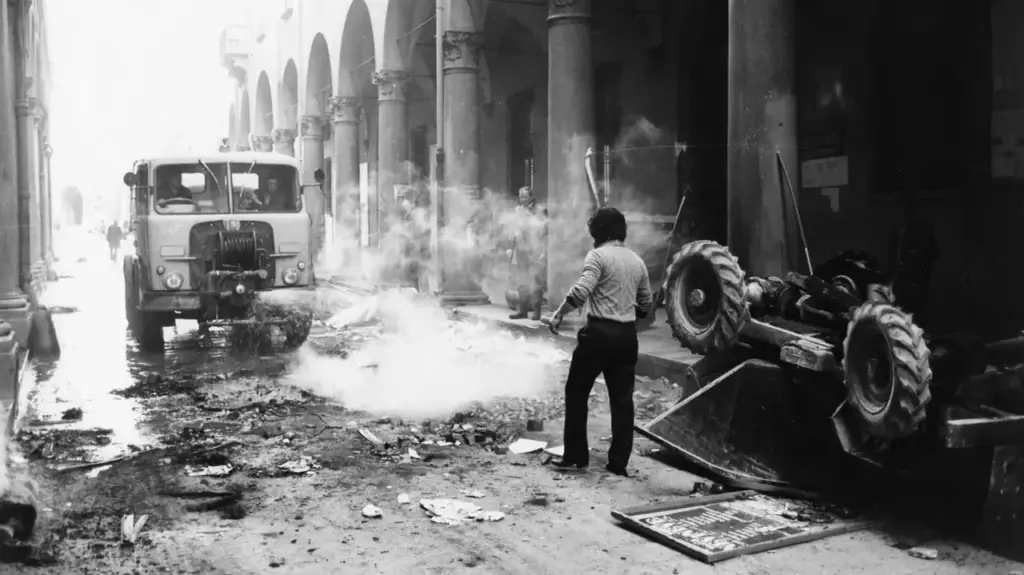
The autonomists of ’77 didn’t like assemblies; they preferred the procession which they knew where it started, but not where it would end. Today’s violent individuals are certainly not interested in dialogue; they also prefer the procession not only because it’s unknown where it might end, but because with its fragments it can inflate an area still vague and indistinct, which is called the second generation.
Monday’s procession: as for Ramy and Virtus-Maccabi
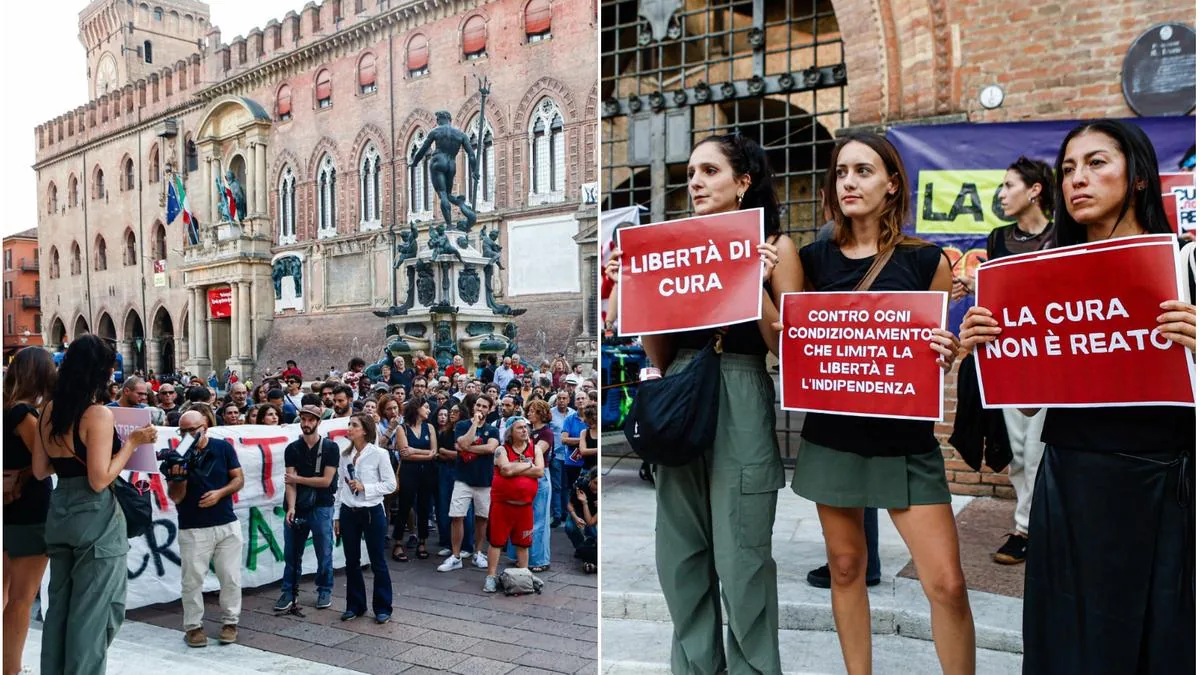
The procession that converged on the 4,000 in Piazza Nettuno and then exploded into clashes around the Prefecture definitively marked a break between the well-known faces of university collectives and social centers and the angry kids from the suburbs, exasperated workers, migrants who feel rejected by politics (Not by chance, “Foreigners have come to save us from the right” stands out on a wall). It had already happened for the guerrilla warfare for Ramy Elgaml, it had happened on the pro-Pal night of burning dumpsters for Virtus-Maccabi.
Rereading ’77 today is tragically illuminating. Our Carlo Donati wrote: “There had been a kind of foundation from which extreme words emerged: rejection of parties and unions, rejection of work, the right to absenteeism, the right to sabotage, the right to reappropriation, and finally new levels of conflict. The first point to be put into practice was reappropriation, that is, proletarian expropriation, supermarkets, restaurants, cinemas, wherever it happened.” The chronicles of the Seventies were very similar to today’s narrative: frustration due to the economic crisis, young people without guarantees, precarious, anxious and desperate for the lack of future prospects. These seem to be the exact same categories cited today when antagonists emerge from pacifist squares.
“Politics has failed to manage the fracture: the debate is now like a football match”
After half a century, it can therefore be said that politics has failed and continues to fail to manage this fracture. And bipolarism has made the debate now more like a football match than a serious reflection on legality and education. Not only that: often the left (which has always governed Bologna except at the turn of the millennium with Giorgio Guazzaloca) has been timid with the very world that despises it and reasons with outdated approaches. And if it is not timid, it underestimates its danger or fails to foresee its arrogant and voracious violence.
However, a dead man remains, and this is not acceptable: every effort must be made to understand what happened and ascertain any responsibilities, because we all need protection from law enforcement and healthcare professionals. Without trials of intent. And a damaged city also remains, tired, with merchants ready for lockouts and residents and civil and democratic activists frightened: here too, responsibilities must be ascertained.
Read more Fenucci: «Orsolini’s renewal? We are close, we will make him a club legend”