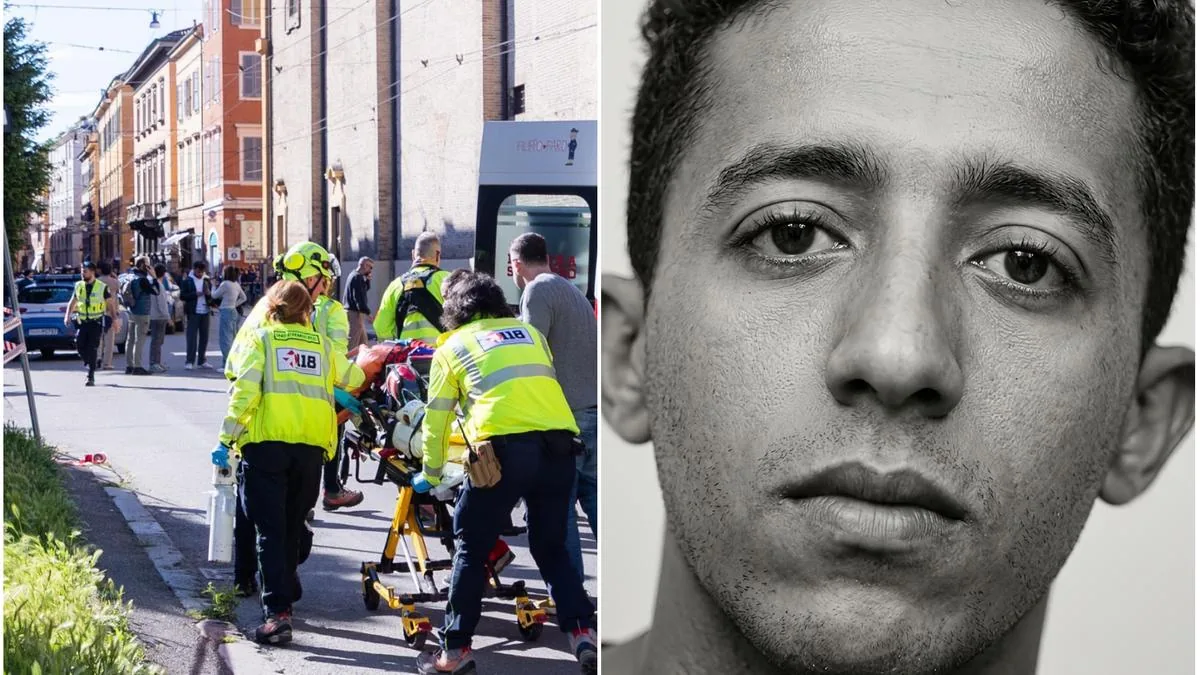




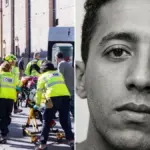

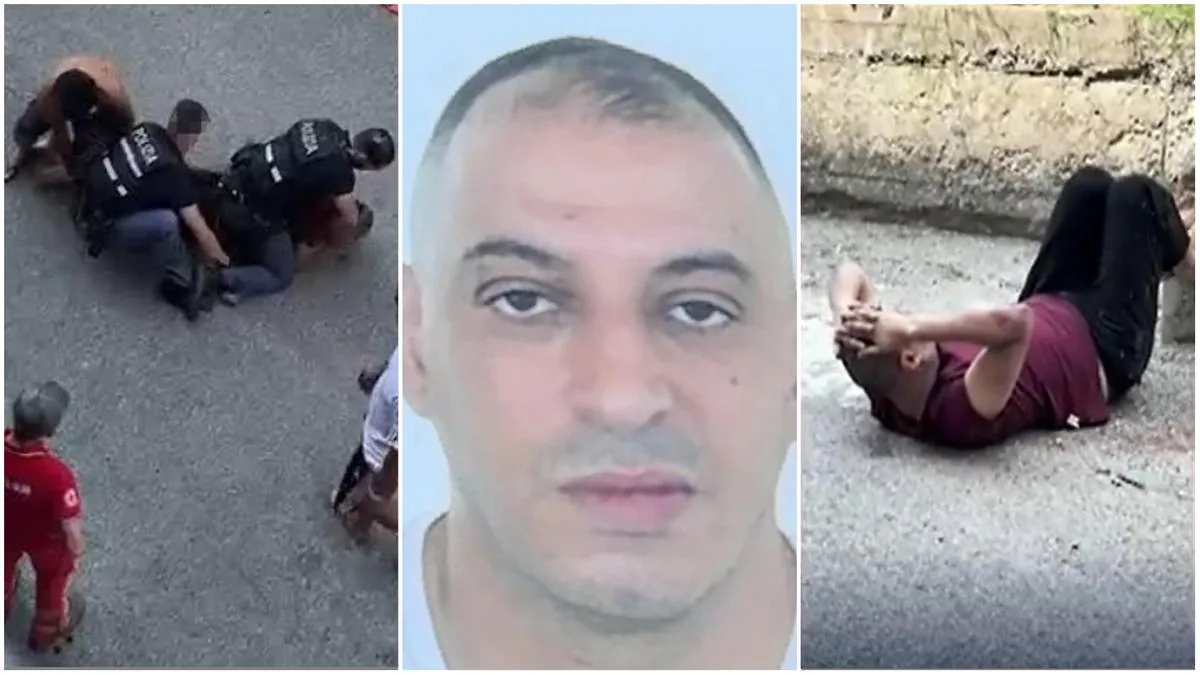
Bologna, July 22, 2026 – The images and words from the bodycam recording of one of the two police officers reveal the details and timing of the tragedy at Pilastro. They show that approximately 4 minutes passed from when the officers stood up, leaving Fakir tied hand and foot, until the first moments when it began to be understood that the man’s life had ended: “He’s not breathing,” “His eyes are fixed,” the rescuers would say, while the police, stunned, watched from a distance and in silence, eyes wide, realizing that a man had died in front of them.
Who are the people under investigation among police officers and Red Cross volunteers
All six – the two officers, 23 and 28 years old (assisted by lawyer Gabriele Bordoni) and the four Red Cross volunteers (lawyer Mario Simoni) – are now under the scrutiny of the Public Prosecutor’s Office, registered under model 45 bis (the so-called ‘shield-norm’ introduced by the security decree): they are being investigated for negligent homicide. A small step back. On Sunday morning, citizens called the police (who arrived at 12:15 PM) because a man was acting out: it was Abderrahim Fakir, 42 years old, born in Morocco, in Italy since he was a child. At that moment, he was lying on the ground, shouting: “All of Pilastro wants to kill me.” He asked for help, saying disconnected phrases. Someone pulled out their phone and started filming, someone else shouted at him to calm down. But he didn’t calm down, he was out of control.
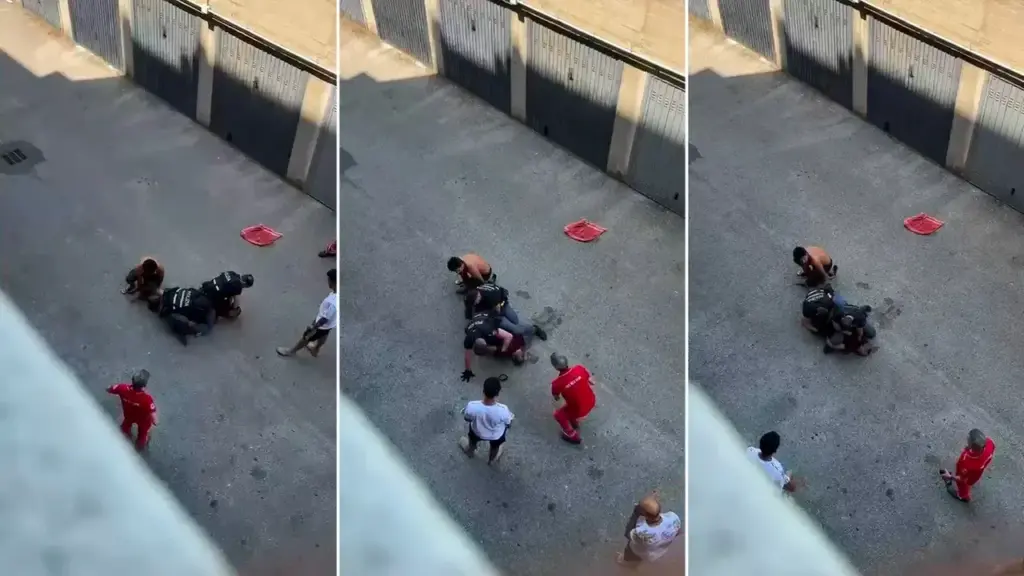
Two citizens involved in the fight with Fakir: a punch on the car hood, then the officer turns on the bodycam
And, for the first time, a fact previously undefined emerges: two citizens were involved in the scuffle, namely the driver of the car that arrived in the courtyard and the passenger. When they got out, Fakir pushed the driver, punched the hood: the two went after Fakir, and a fight broke out. And it was at this moment that one of the two officers turned on his bodycam. It would remain active for about twenty minutes after the presumed time of death, recording Fakir’s last minutes of life.
Fakir bites the younger officer’s leg, who sprays pepper spray in his face. The handcuff key breaks
When the police rushed to separate the three, they threw Fakir to the ground and tried to handcuff him. At one point, he bit the younger officer’s leg, who sprayed pepper spray in his face. The officers were in difficulty, he moved and asked for help, and meanwhile, the handcuff key broke. The officer straddling him held a hand under his face, trying to prevent him from hurting himself, while a citizen held him by the feet. Then, when they managed to tie him up, they stood up.
Read more 3-year-old child hit by tourist train: in serious condition
One of the police officers cuts Fakir’s shirt, then the resuscitation intervention
After a few minutes, the paramedics placed him supine and realized he wasn’t breathing. The atmosphere changed immediately. One of the police officers approached and cut Fakir’s shirt. They attached the machine, which, evaluating the parameters, ‘advised’ to perform cardiac massage. The bodycam also recorded the long resuscitation intervention – over 10 minutes – as the Red Cross also specified: “The volunteers intervened with cardiopulmonary resuscitation maneuvers and a defibrillator to try to save the man” from the moment “it was possible to intervene until the arrival of the ambulance.” The Public Prosecutor’s Office acquired other videos shot by citizens and the conversations between the operators.
On Friday, July 24, the autopsy will begin, entrusted to forensic pathologist Valentina Bugelli from Parma, who handled the remains of the newborns delivered by Chiara Petrolini in Traversetolo and Sofia Stefani, a police officer killed by former commander Giampiero Gualandi in Anzola. She will be joined by Cristina Basso, a neuropathologist specializing in sudden deaths, who, among other cases, followed the analyses of the death of Fiorentina captain Davide Astori, then Manuela Bonizzoli, a specialist in anesthesia, resuscitation, and cardiology, and the chemical toxicologist Luca Morini, from the University of Pavia, who in Bologna followed the case of Giampaolo Amato, a doctor sentenced to life imprisonment for the murders of his wife and mother-in-law.