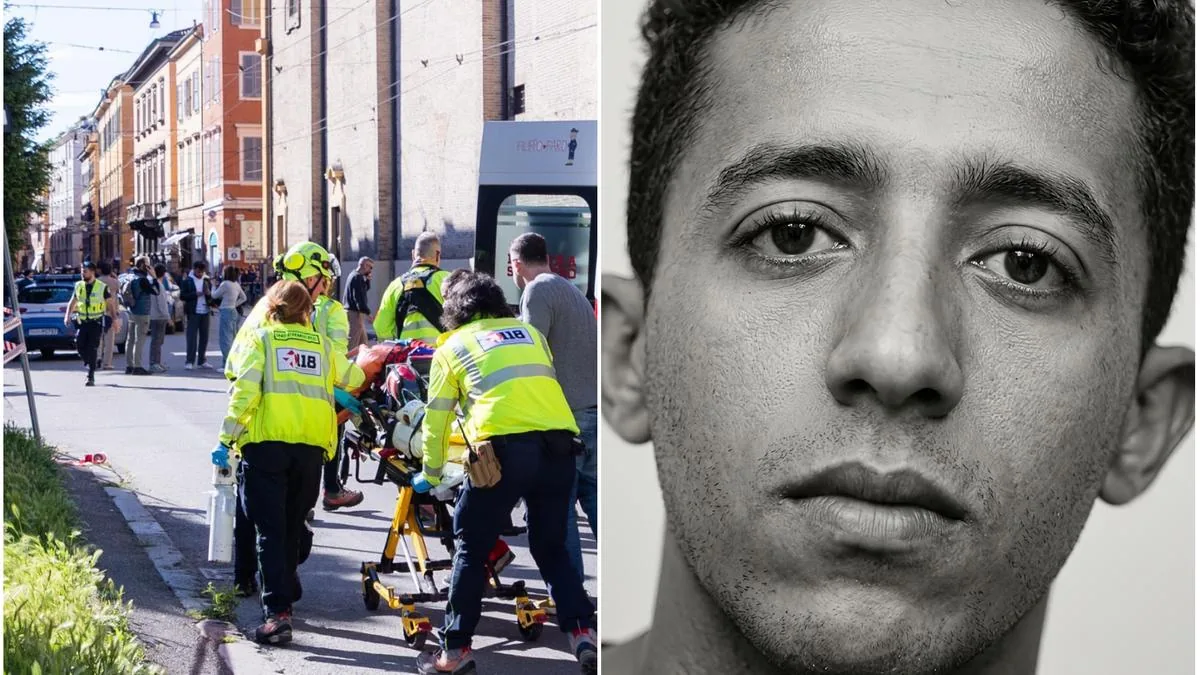







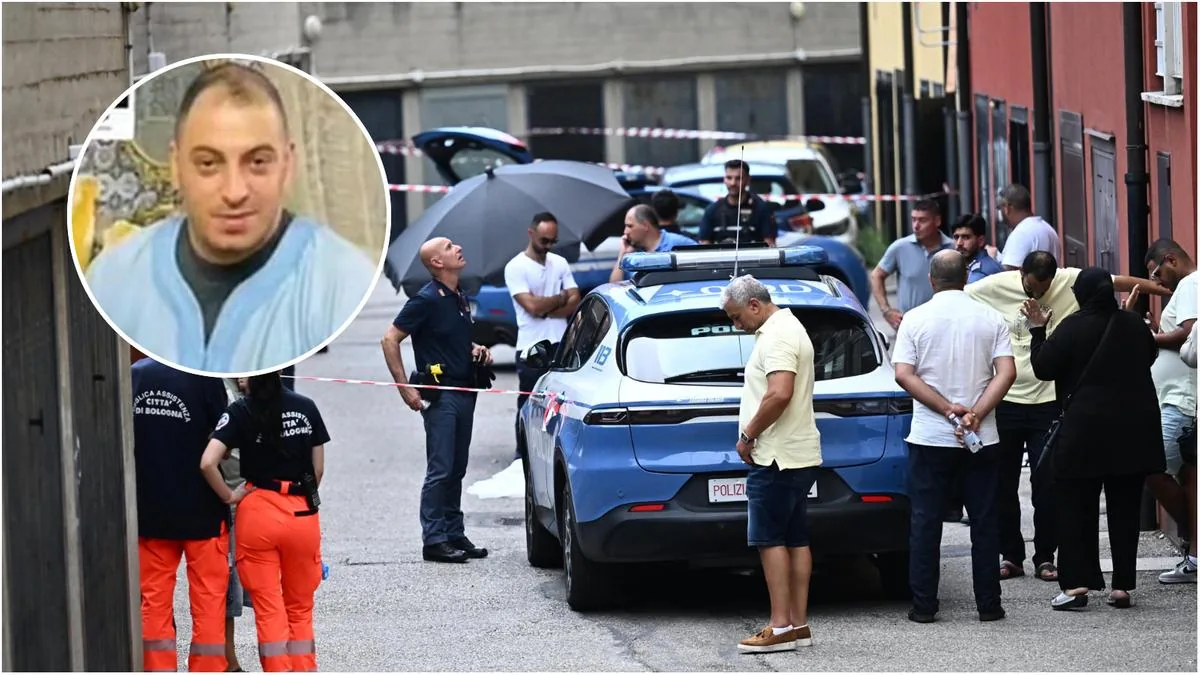
Bologna, July 26, 2026 – Abderrahim Fakir’s “psychiatric crisis,” as reported by the police to 118 on Sunday, called back to Pilastro, was only the culmination. The epilogue of a difficult period experienced by the 42-year-old, which began a couple of months before that July 19 when Fakir died. A psychological suffering fueled by a series of economic problems for his porterage company and also burdened by the loss of his mother months earlier. A mixture of difficult situations, to which even the fear and the unnerving wait to obtain the special permit – at the end of a procedure opened for the asylum request that had been prolonged after the change of judge – had added a good dose of anxiety.
Read more “Lepore, now we’ll shoot you”, escort for the mayor. He will be protected by two agents
A condition that those who knew him well attributed to Fakir a few months before the tragedy. A congruent time also for a series of movements of the 42-year-old across the metropolitan city.
Fakir’s movements
Movements that, as far as is known, had led Abderrahim Fakir, also for work reasons related to porterage orders, to live occasionally at the homes of some friends or relatives. Not only in Borgonuovo di Sasso Marconi, immediately indicated as the place where Fakir lived permanently with his brother. But also in Bologna, in via Tiarini in the Bolognina district and then in the eastern plain area, where for a period he had been domiciled in a municipality in the area, and finally Castello d’Argile. There, on June 12, the first contact between Abderrahim Fakir and the national health system took place. The man had probably arrived in the municipality by mistake. When, according to what has been reconstructed, Fakir was heading to Cento di Ferrara on a bus, to find a relative. An error would have led him to get off much earlier, in Castello d’Argile, where he had been seen entering a courtyard in via Guido Rossa and ringing the intercom of a person in a confused state. On that occasion, 118 intervened, but Fakir refused hospitalization.
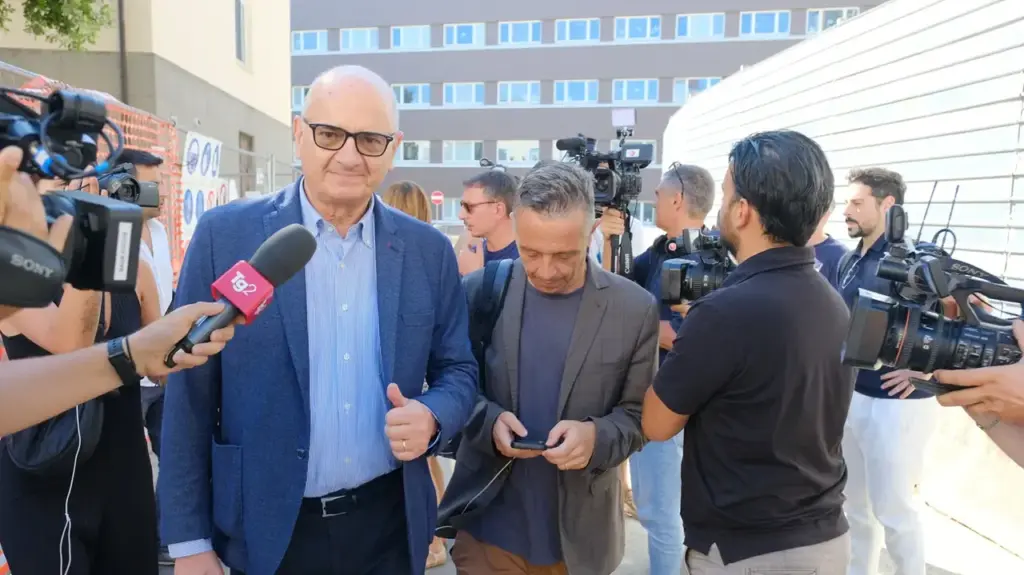
On June 20, he was taken by ambulance to Maggiore Hospital
Eight days later, on June 20, the 42-year-old was taken by ambulance to Maggiore Hospital following an episode of self-harm. On that occasion, Abderrahim was referred to a mental health center in the eastern plain area, where Fakir had been domiciled, again with relatives. Here, a few days later, Abderrahim went spontaneously for the first anamnesis with a psychiatrist and the prescription of an anxiolytic-based therapy, as well as a new appointment that would be at the beginning of August.
The bloodstain under the nape in a new video
Meanwhile, tomorrow the prosecutor’s experts will begin meetings to schedule and carry out further autopsy examinations (starting with heart analyses), while a new video emerges online showing some moments of the scientific findings on Sunday at Pilastro, when, by moving a corner of the sheet over the lifeless body, Fakir is framed with his head covered in blood and a bloodstain under his nape. Images that have further fueled the remote clash between lawyers Anselmo (for the family) and Bordoni (for the police) regarding the wound from which all that blood originated and, above all, how the 42-year-old would have sustained it.
The former president of the Court of Bologna, Francesco Maria Caruso
Yesterday, the former president of the Court of Bologna, Francesco Maria Caruso, who, during his career, also managed the case of Federico Aldrovandi, also spoke about the Pilastro tragedy: “Fakir’s death seems to result from a prolonged compression of the victim’s face and chest by two officers who immobilize him on the ground, indifferent to his pleas for help, with the complicity of a third citizen. An action prohibited by police protocols themselves,” he writes on social media. The officers – concludes the magistrate – do not need “shields but tools, skills, training, and adequate staff.”