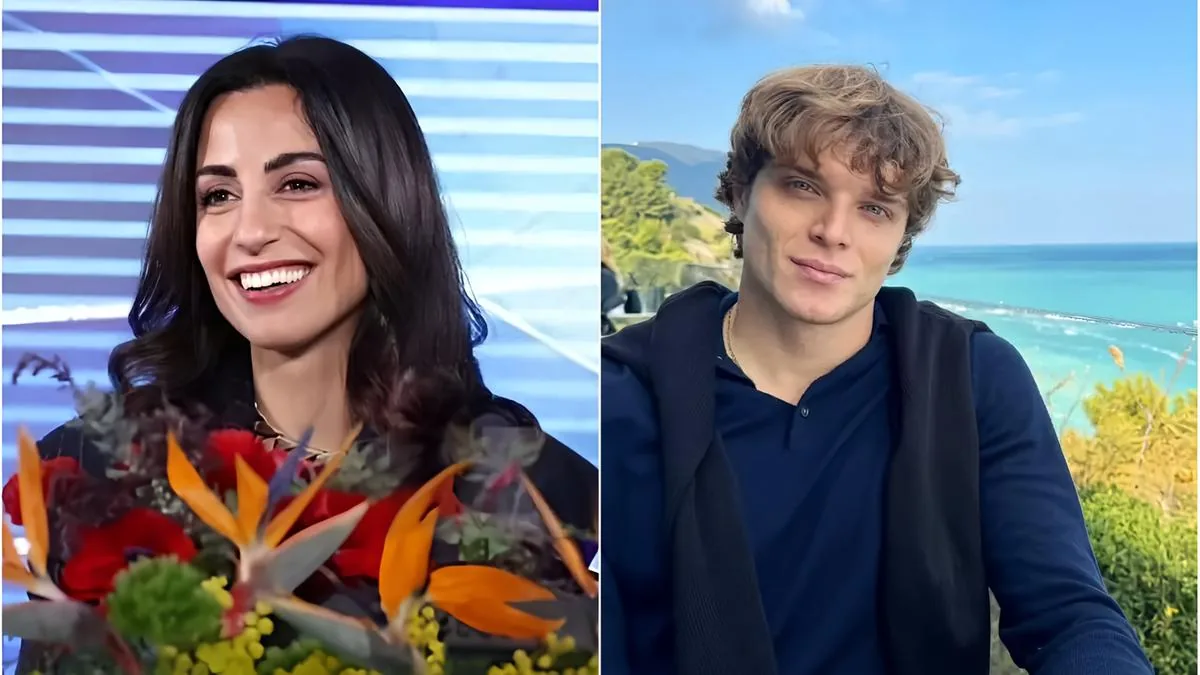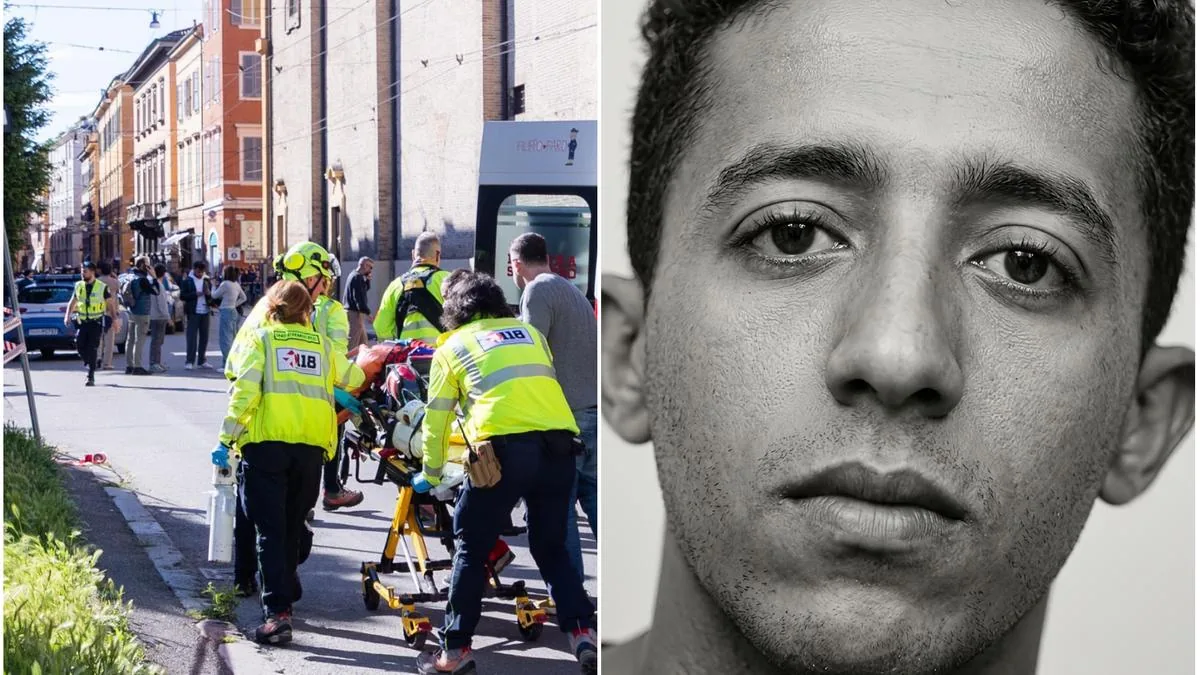






Rimini, August 14, 2026 – A law in the name of Mattia, so that his death is not just a tragedy. One and a half years after the attack that cost the life of Mattia Ahmet Minguzzi, the 14-year-old son of chef Andrea Minguzzi and Turkish cellist Yasemin Akincilar, the battle carried on by the family has reached the Parliament of Ankara. Turkey has approved a juvenile justice reform now known in the country as the “Minguzzi Law”: harsher penalties for the most serious crimes committed by minors, new rules on detention, and tighter controls on the sale of knives and dangerous objects to under 18s. A change born from the huge emotion caused by Mattia’s murder, stabbed at 14 years old in a market in Istanbul. For that incident, two 15-year-olds, identified as the material perpetrators, were sentenced to 24 years in prison for premeditated murder.
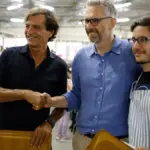
Andrea Minguzzi is Mattia’s father. For years he has been leading the fight with his wife to toughen penalties for minors responsible for serious crimes.
Minguzzi, was this the result you were expecting?
“Yes, as a family we are satisfied. It is an important step forward and, for us, it also has a symbolic meaning: it means knowing that Mattia’s death did not remain just a private tragedy, but forced an entire society to question itself and, finally, the State to change something. When in 2025 we were received by the President of the Republic, I was given a clear commitment: that this tragedy would not be forgotten and that work would be done to intervene on the law. Since then we have kept that promise with hope.
Today, seeing that commitment turn into a concrete change certainly gives us satisfaction, even if no law can bring back our son.”
Mattia’s case has become a national issue in Turkey. Why, in your opinion, did it have such a powerful impact?
“Mattia’s story resonated particularly because of some circumstances in our life: I am Italian, I have lived and worked in Turkey for many years and, as a chef, I am quite well known in my environment. Mattia himself carried within him two cultures, two countries, two identities that naturally coexisted in him. All this probably helped his story to overcome boundaries that, unfortunately, other equally terrible tragedies had not been able to overcome.”
A visibility that gave you more strength, but also a responsibility.
“We never thought that our pain was worth more than that of others. On the contrary: if we had a visibility privilege, we felt the duty to turn it into responsibility. To speak also for those parents who did not have televisions, newspapers or institutions listening to them.”
Read more Lightly hit with umbrellas by pro-Bolkestein activists. «I ended up in the emergency room»
Now penalties become harsher. Is this enough to counter violence among very young people?
“I consider this law a starting point, not an end point. Punishing more severely those who commit a very serious crime is necessary, but the penalty comes when the tragedy has already happened.”

So the answer cannot be only repressive. Where should intervention take place?
“The real victory will be to build a society in which a boy never reaches the point of taking a knife to take another boy’s life. We need to work on education, families, schools, youth distress, and criminal organizations that use increasingly younger boys. Our desire is not to see more boys in prison: it is to see fewer boys with a knife in hand.”
What does it feel like to see Mattia’s name linked to a change that concerns an entire country?
“I believe that my son, without having chosen it, has become something that goes beyond our family. A boy born from the meeting between Italy and Turkey who, through the most unjust sacrifice, ended up uniting these two worlds even more.”
What would give meaning, at least in part, to all this pain?
“If tomorrow even one child returns home to their mother because something in society, prevention, or the law has changed after Mattia, then a very small part of this immense pain will have found meaning. My son will not return. But he can continue to walk through what he leaves to others. And perhaps this is the highest form of legacy a son can leave to a country.”