




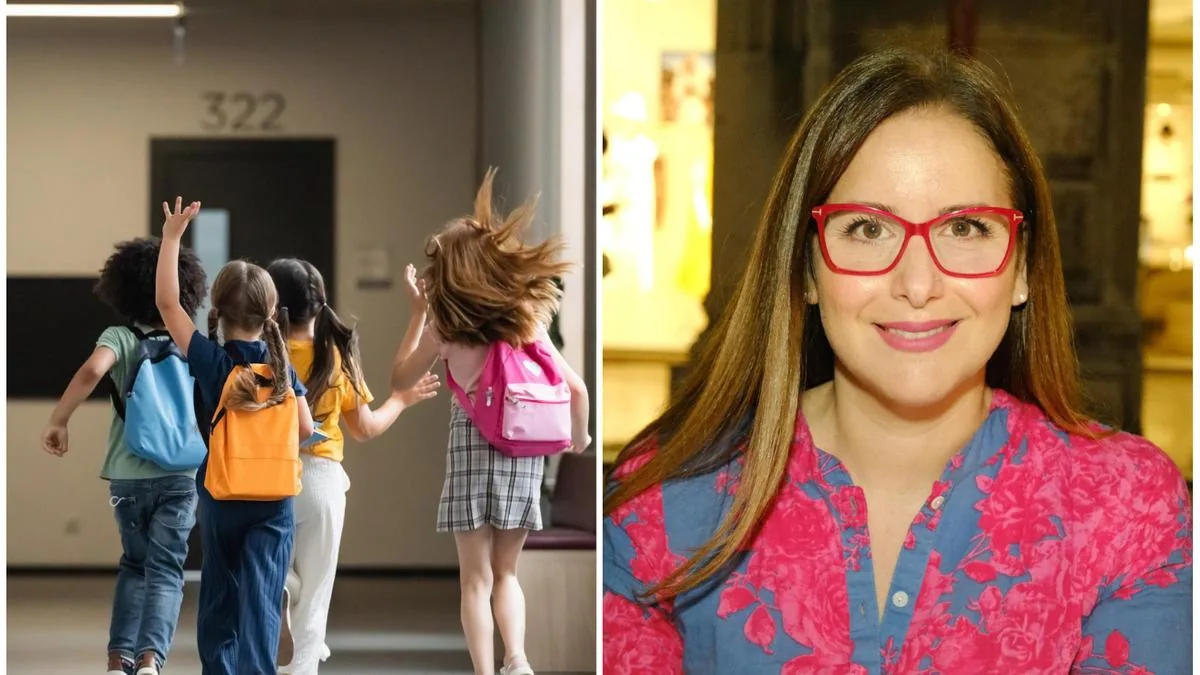
Bologna, July 30, 2026 – More than eight thousand children in Emilia Romagna will return to school on August 31, 15 days earlier than the usual start date.
Read more Record heat, a scorching weekend arrives in Emilia-Romagna: cities in red alert
Numbers that Isabella Conti, regional councilor for school and welfare, comments on bluntly: “An extraordinary response”. This is the experiment launched this year in 42 municipalities, thanks to which the doors of elementary schools will open earlier to welcome children between 6 and 11 years old.
What the students will do
Attention: they will not start immediately with math, Italian, and English lessons.
No, for them there will be extra-curricular and recreational activities such as workshops, sports, music, and various games: this is a free service to support parents in the period immediately after the holidays and before the usual start of school.
The measure, Conti emphasizes, “if everything goes in the direction we are working towards, will be included in the law supporting parenting and combating low birth rates already in December 2026, to ensure it remains structural from September 2027.”
The official data on the experiment, she concludes, will be released in early September with Governor Michele de Pascale.
There will be no teachers and ATA staff
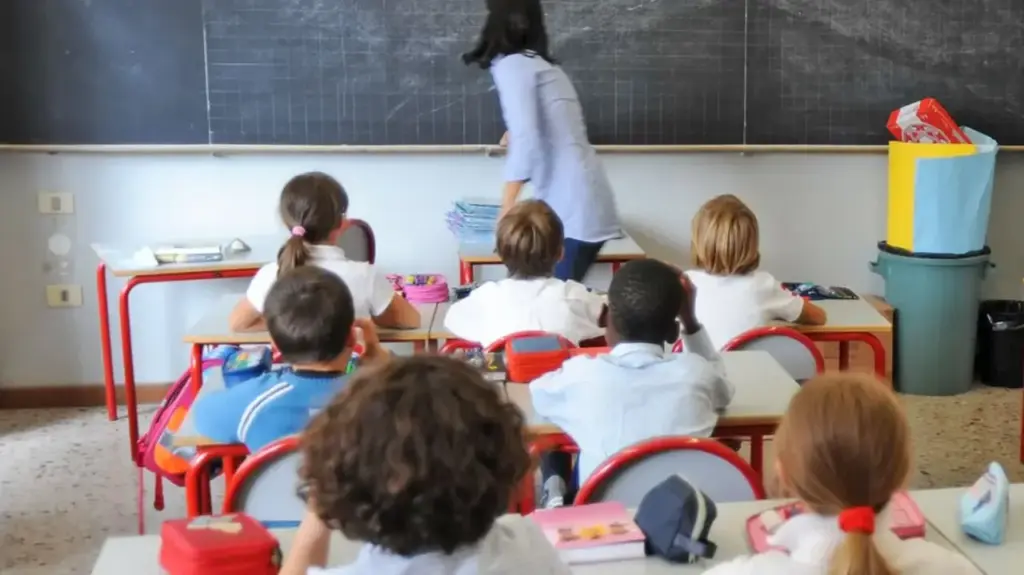
We said that it cannot be considered a full-fledged school and not only because the classic lessons will not be held, but also because, the councilor specifies, “we have completely relieved teachers and ATA staff from additional duties, but we wanted to provide a response to families: this is an extra service we wanted to guarantee.” And that, indeed, will become structural from next year, since the response has been more than convincing.
The list of involved municipalities
In this first phase of the experiment, the territories of the Atuss areas – the Transformative Urban Agendas for sustainable development -, 42 municipalities and Unions of Municipalities are involved.
They are: Piacenza, Parma, Reggio Emilia, Modena, Bologna, Ferrara, Forlì, Ravenna, Rimini, Cesena with Mercato Saraceno, Montiano Sarsina New Imola District (Municipalities of Borgo Tossignano, Casalfiumanese, Castel del Rio, Dozza, Fontanelice, Imola Mordano Castel Guelfo di Bologna, Castel San Pietro Terme and Medicina. Terre d’Argine Union (Municipalities of Campogalliano, Carpi, Novi di Modena, Soliera). Bassa Romagna Union (Municipalities of Alfonsine, Bagnacavallo, Bagnara di Romagna, Conselice, Cotignola, Fusignano, Lugo, Massa Lombarda and Sant’Agata sul Santerno). Romagna Faentina Union (Municipalities of Brisighella, Casola Valsenio, Castel Bolognese, Faenza, Riolo Terme and Solarolo).
The organization and costs borne by families
“The experiment – the Region explained during the presentation – will leave the involved municipalities the possibility to interpret the project by adapting the offer according to their needs and characteristics: availability of school facilities and compatibility with other educational offers, enhancing local networks, associations, sports and cultural realities. A flexible model aimed at responding to the needs of individual territories to increasingly qualify the educational offer.” In short, two weeks of activities with schedules and costs for families that will depend on the choices of the individual municipalities.
The premises of the decision
But how did this experiment come about? From the consideration that interventions on the school calendar are particularly thorny.
“The school calendar is a very sensitive issue – councilor Conti emphasized – we listened to all the parties involved and realized that a change would have repercussions in many areas and we would still intervene only on a few days. So we imagined organizing activities in primary schools during the two most critical weeks for workers, from August 31 to September 14.”
Read more Nights in hotel and lavish free fish banquet: tourist couple paid with fake bank transfers