




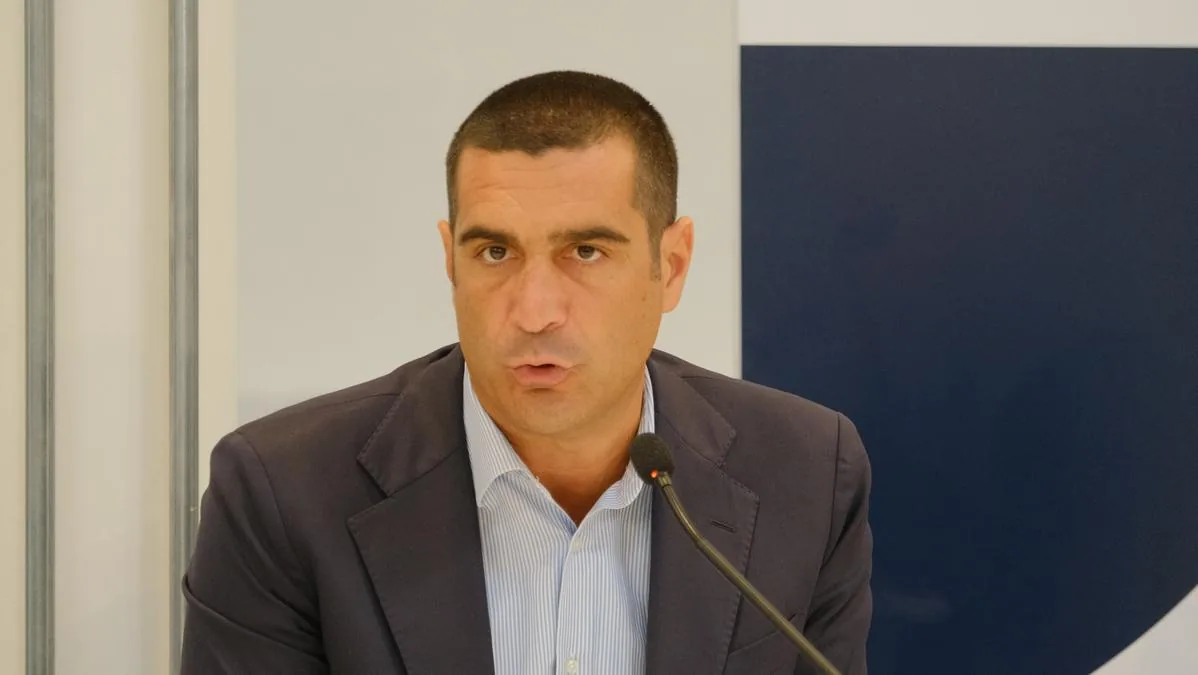
Bologna, July 29, 2026 – Urban security first of all, but also redevelopment, regeneration of public space, and mobility. The focus of the Emilia-Romagna Region decisively targets the stations of the provincial capital municipalities, allocating two million for each of the ten cities. The plan was presented this afternoon on viale Aldo Moro by President Michele de Pascale and Transport Councillor Irene Priolo, who spoke of a “very important initiative,” both for the historical urgency of the issue and for the planned approach, based on integration and collaboration between entities. Twenty million, therefore, allocated to interventions in video surveillance, urban redevelopment, public lighting, accessibility, and new services to safeguard the territory.
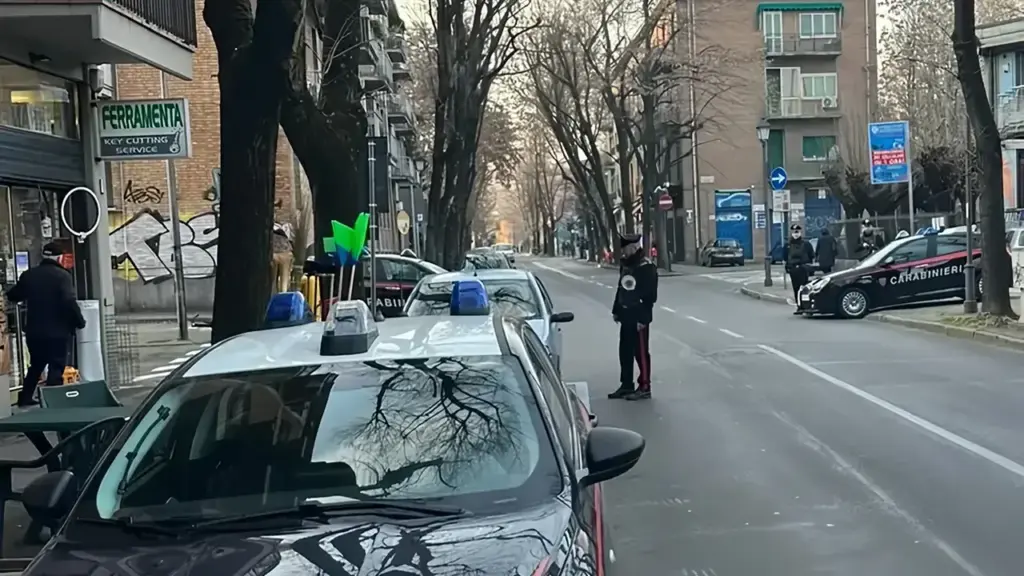
The plan will then be accompanied by an additional Fer program of over 4 million for the stations of the regional railway network. “Security is one of the fundamental rights of people and requires an integrated approach, which combines territorial control with interventions on the quality of public space and urban regeneration,” said de Pascale. “For this reason, we chose to start from the railway stations in the largest cities of Emilia-Romagna, places crossed every day by thousands of citizens, tourists, and workers. Stations do not belong to the municipalities but are within the municipalities. They are fundamental hubs, but are systematically listed among the most sensitive places in terms of security, unfortunately with the presence of crimes and criminal phenomena.”

Immediate resources and prevention on the territory
De Pascale then went into the operational specifics of the intervention: “The Region, which has supported cities on security for years, wanted a structural and widespread political measure. Some municipalities had already intervened, now the Budget has allocated two million to be used for capital expenditure on security: we are talking about the surveillance chain, urban regeneration, and reorganization of spaces. It is now extremely relevant that the Assembly has also decided to implement, with the 2027 Budget, support for municipalities in prevention activities at stations, therefore for current expenses.” Two million immediately, then other funds in a few months thanks to shared projects linked to territorial specificities: “I thank the Prefects for the immediate activation of ad hoc tables. The issue is to strengthen integrated interventions: the police first, both State and local, the health facilities since there are Serd in the station, and then mental health. Investments need time, so we advance immediately and this is important.”
Synergy between entities and the role of the railways
On one side the Region with the double investment, on the other the Prefecture which “carries forward coordination on some national funds that go in the same direction we desire.” And then Rfi: “From them – adds de Pascale – we expect an investment of equal amount for the internal part. We would like this policy to see a leap on the issue of internal security, which is precisely Rfi’s responsibility, but then it is possible to work synergistically on the current part.” Finally, the tools: “We will use the Atuss tool, which was conceived by the previous Administration for co-programming and has proven excellent since the resources have all been redirected. Stations are the gateway to cities, this measure addresses that.”
Attention to smaller stations and local reactions
Irene Priolo defined the stations as “the business card of the cities” and explained that the intervention will affect not only the capitals but also the smaller stops of the Fer network. “If a problem is solved in one area, the risk is that it moves elsewhere. For this reason, an integrated approach is needed,” she said, announcing a multi-year plan of 4 million dedicated to small regional stations. “We look at the big but also the small. Today we present this aspect, which represents a significant step forward, but we continue our work in parallel.”
The mayors and representatives of the involved municipalities
Mayors or representatives of the involved municipalities participated in the presentation. For Bologna, the Security Councillor Matilde Madrid, who specifically said that “attention is high especially in the area of via Marconi, via Amendola, and the station, an area we have been working on for months and constantly monitor also in the Committees for order and public security.” The plan presented on viale Aldo Moro immediately received the support of the regional Anci: “The issue of security in railway areas is an absolute priority,” said President Marco Panieri, mayor of Imola, “stations must be safe, cared for, and fully lived by communities. Only by guaranteeing peace of mind to travelers and residents can we truly relaunch public transport, encouraging its use and making it increasingly the backbone of mobility in our territory.” Panieri then added that “it will be essential to extend these tools and these resources as soon as possible also to large non-capital municipalities that serve as strategic railway hubs. Local administrations are ready to do their part.”