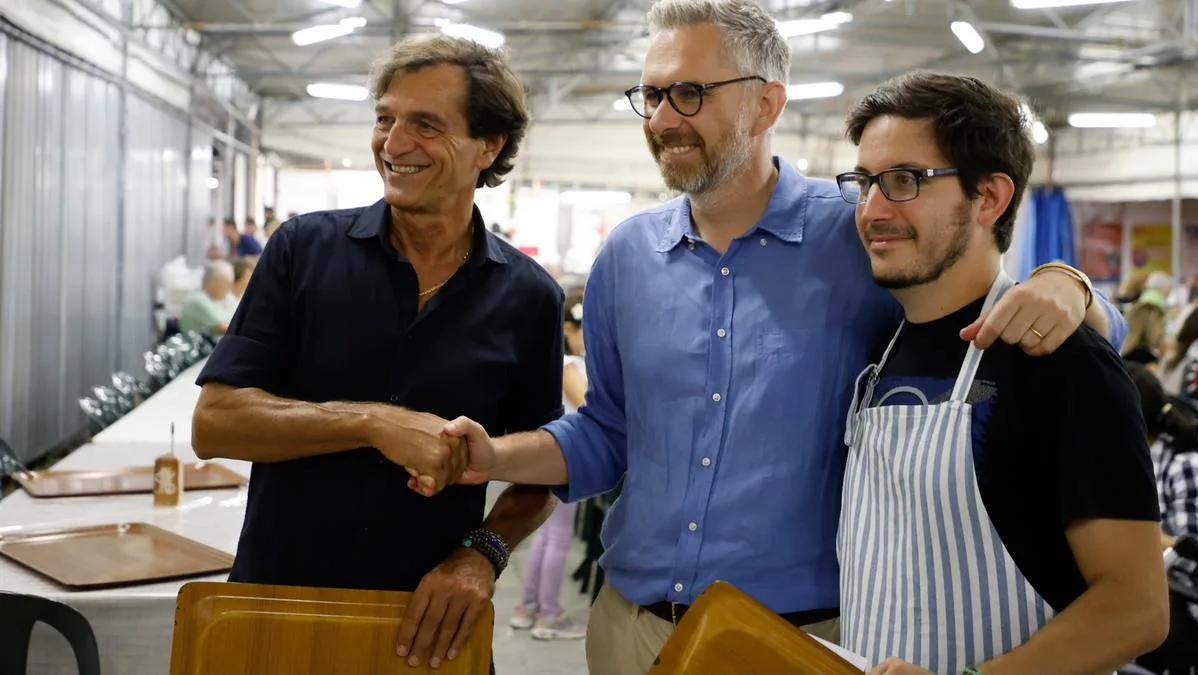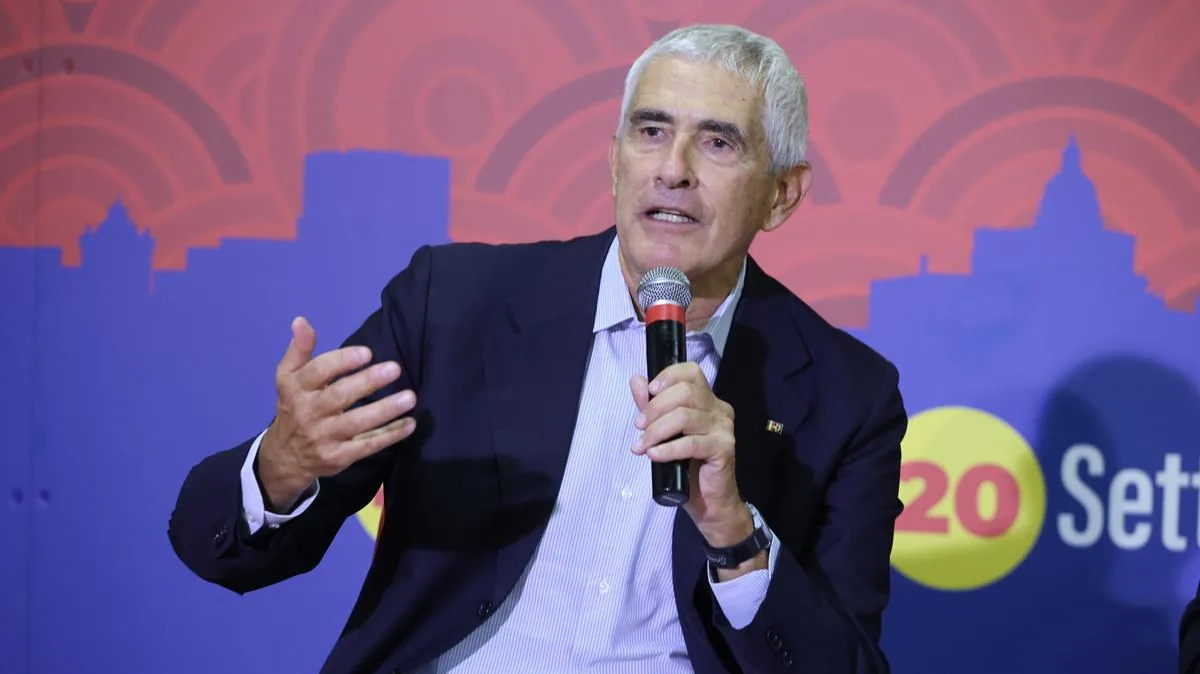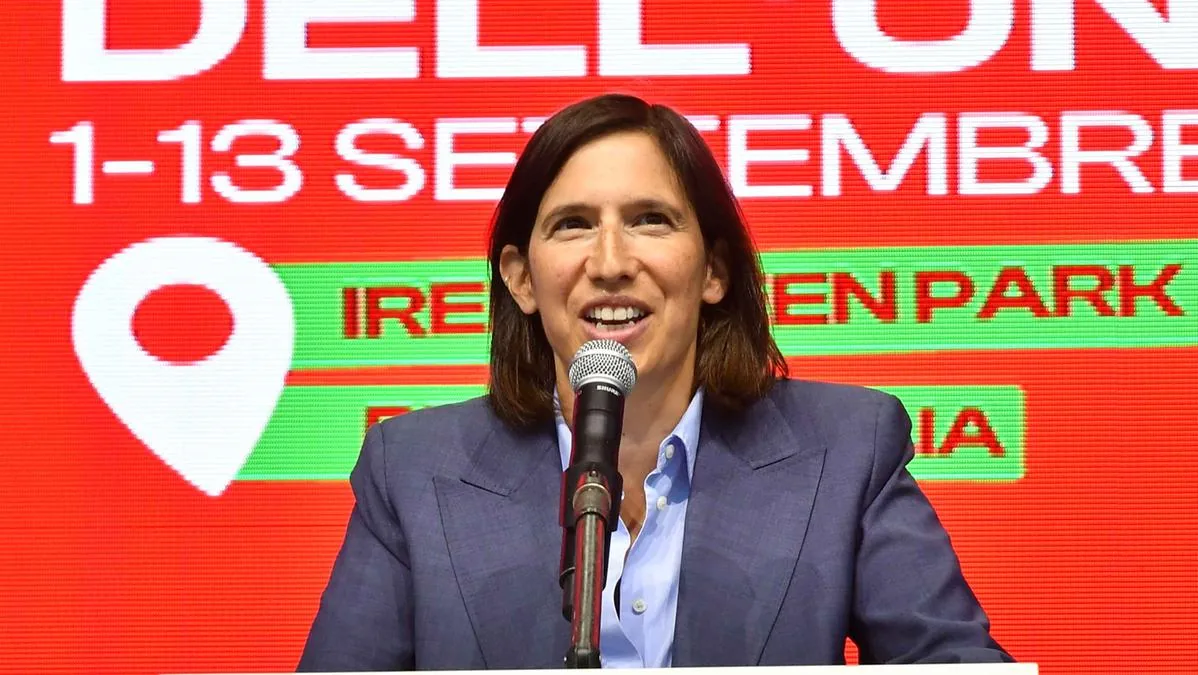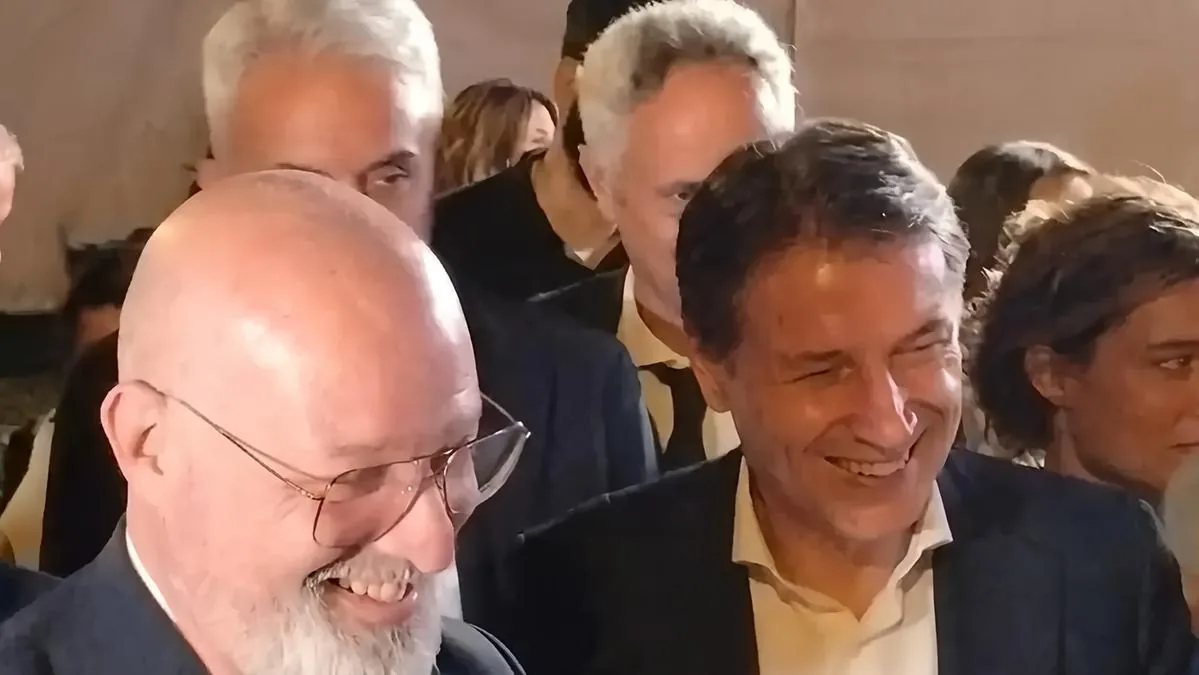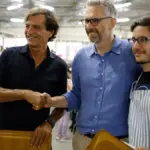




Bologna, August 13, 2026 – A few nights ago, forty degrees at the Festa dell’Unità in Villalunga, in the Reggio Emilia area, Matteo Renzi on the left. The president of the Emilia-Romagna Region Michele de Pascale addresses the audience: “We must be credible, starting from the program.” Someone replies in dialect: “Da bon, da ver!”, really.
De Pascale, in the Campo largo the debate continues. On the program, and we will get there. But also starting from the names.
“Saying it is not relevant is a charming romanticism, but not very fitting. The Prime Minister is appointed by the President of the Republic, of course, but based on the proposals of the political forces. Italians have the right to know first what the center-left will propose.”
So?
“The role of leadership will be decisive: Schlein and Conte, who represent the main parties of the alliance, have the duty to build.”
With what scheme?
“Primaries? Yes, but if held, as soon as possible. A mechanism where whoever gets one more vote expresses the prime ministerial candidate? Yes, but it must be said as soon as possible. A third figure? Yes, but it must be managed as soon as possible. By autumn, the center-left must have a programmatic core entrusted to all coalition parties and a clarification on the mechanism leading to the prime ministerial candidate.”
Italy remains with Kiev, but every investment must be linked to a new strategy for peace
But quarrels are the order of the day.
“The history of the center-left is marked by the times we are divided before and after elections. We must be credible in this sense: it must be clarified that we will stay together, with stability.”

On weapons to Kiev, however, Conte and Schlein did not start well.
“The debate on weapons yes/weapons no is wrong, Italy can only be supportive of the Ukrainian people, but every investment must be tied to a new strategy for peace. Italy must demand a change of Europe’s strategy on peace. The victims of the conflict are obviously the responsibility of Russia which attacked, but also Europe’s negligence and incapacity are guilty. A radical change of pace is needed and the appointment of an authoritative envoy, we give mandate to Merkel, Zuppi and Costa. From Emilia-Romagna a decisive push for a new Italian and European initiative for peace.”
In what sense?
“We ask that whoever runs to lead the country clearly states what they want to do to start a serious peace initiative from Italy. The war, beyond the humanitarian drama, has opened huge problems for healthcare and our manufacturing, energy costs, but also difficulties in sourcing raw materials. The productive and institutional system of Emilia-Romagna, for this reason, is ready to do its part for the relaunch of the sustainable steel supply chain on the Adriatic axis, I think of the Ilva initiative which deserves strong and cross-cutting support.”
In October we will tour the capitals to take stock and launch new projects
Another topic, security.
“What has been said and done so far is not enough. The program must be updated, a new line is needed. I identify with what Prefect Franco Gabrielli said: the security line must not yield to discrimination or lack of respect for rights, but prevention and firmness in pursuing crimes are needed.”
Emilia-Romagna will have a complex autumn.
“Meanwhile, the signing of the Bologna Bypass and the renewals of the pact for work and climate with all economic and social forces (and it was not taken for granted) and the health agenda with Cgil, Cisl and Uil mark a before and after. In this national climate and with a new administration, I read them as a strong act of trust from the regional community. Obviously not blank, but on precise and measurable commitments. In October, then, the regional council will hold nine sessions, one per province, going to the territories and meeting mayors and citizens. It will be the occasion two years after the inauguration to report on what has been done and open new reform sites on health, housing and urban planning.”
Health…
“Means mid-term with the directors of health companies and prevention law.”
And then the housing issue.
“The new urban planning law will focus on simplification for small municipalities, I think especially of the mountains. Here I link to social residential building, controlled rent, which we have been talking about for some time: we are ready, we will intervene. Finally, we need to think about interventions to support businesses: agile tools are needed for investments in manufacturing and a stop to logistics without planning.”