





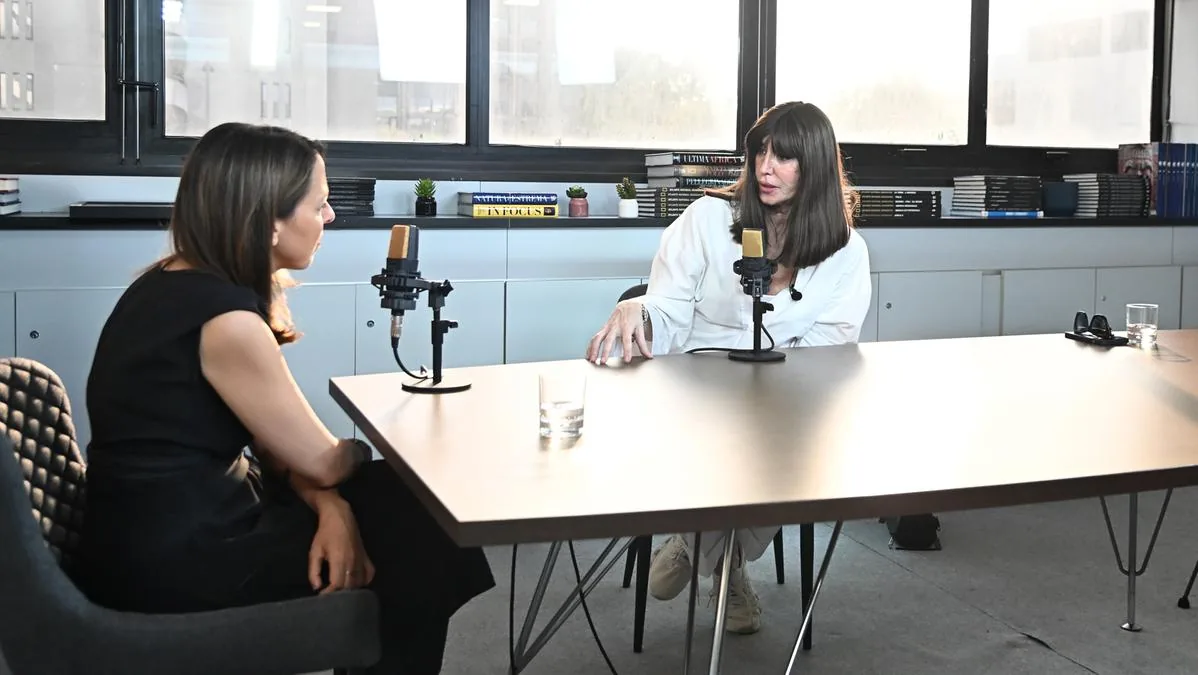
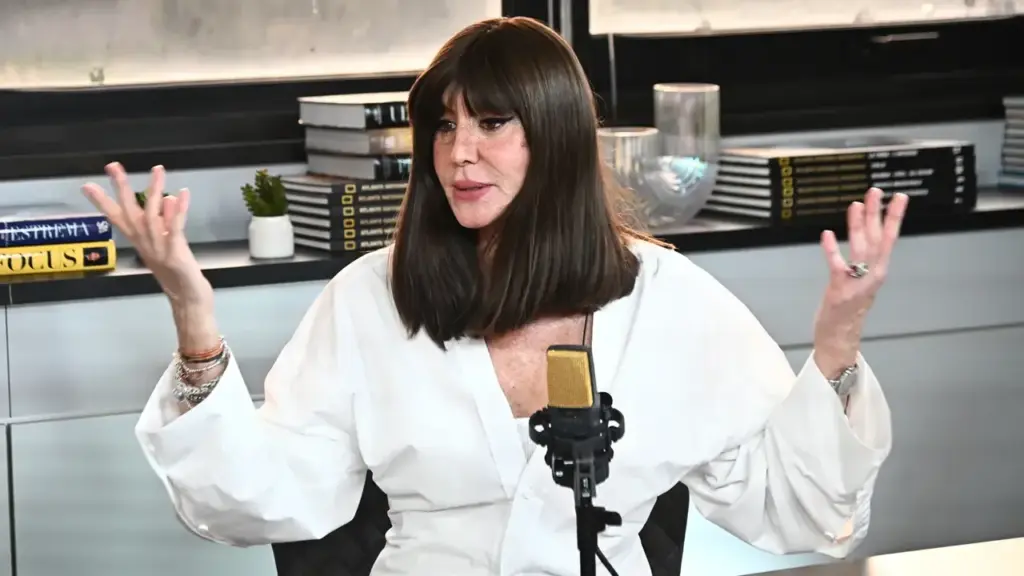
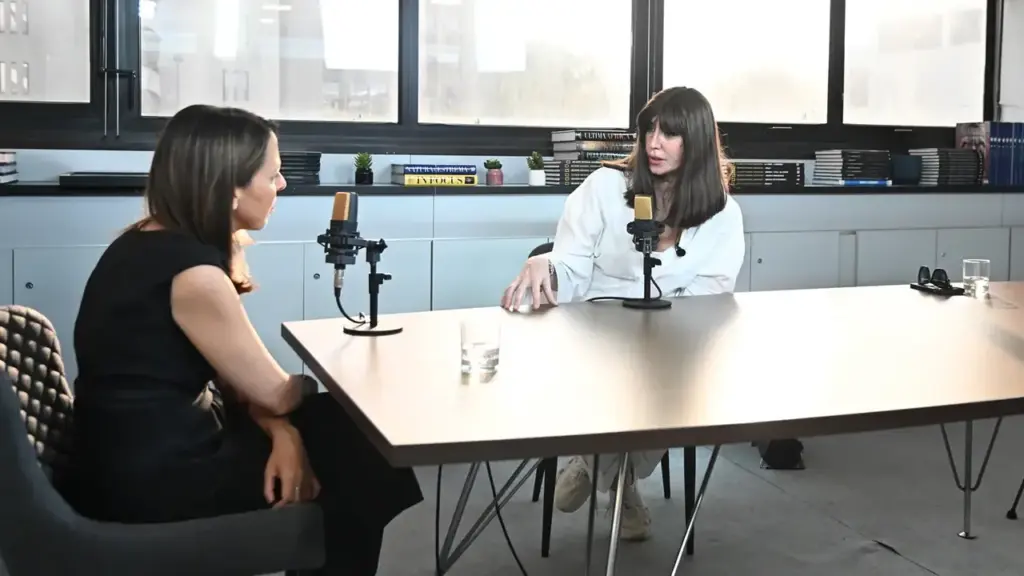
The Minister of University and Research, Anna Maria Bernini, was a guest at the editorial office of Quotidiano Nazionale, in Bologna, for an interview with the director Agnese Pini. What follows is a summary of the topics discussed.
Minister Bernini, what is the political significance and what repercussions on the government might there be after what happened with the vote on the electoral law?
“The opposition evokes the end of the world every day for a country that instead needs to grow and shine. These are signals to be taken into consideration, but the important thing is that the electoral law has been approved and guarantees stability: whoever wins takes on the responsibility to govern and has the strength to do so.”
Recent Italian history has shown the danger of secret voting…
“At the time of President Berlusconi’s downfall in the Authorization Committee, an open vote was wanted precisely because everyone feared that in the secrecy of the ballot box someone might express something different.”
What can happen now in the coalition with Vannacci?
“I believe Vannacci has already made a choice. In Parliament, he gathered a small group and has always voted with the left, even on the electoral law. He works to weaken the government, so at this moment Vannacci is on the left. Not with us.”
When will the vote take place?
“Our goal is to reach the natural end of the legislature, around September-October. This period is needed to take stock of 4 years of work. We have partially reformed Medicine with the students, transformed higher artistic education into a degree, and reformed the recruitment of professors. We are also closing university housing linked to the PNRR: unlike the opposition who went to tents to show solidarity with students against high rents, we have opened the construction sites of dormitories.”
What numbers do we have on dormitories?
“The target is 60,000 beds. In August we will close the first 35,000 to reach completion in 2027, plus another 2,000 directly through the universities. We inaugurate two or three dormitories a week and in September the students will move in.”
What is the assessment of your Medicine reform?
“In 2022 I found an instant quiz outside universities: 90,000 students for only 10,000 places, with 80,000 ghosts forced to pay expensive private courses. We reversed the paradigm: now everyone can enroll in a free filter semester in which we train them. The system has stabilized with the students and today 80-90% of the students are in: those who do not pass the filter are guided towards related subjects or health professions. It is a reform with a strong social and fair value: everyone equal at the starting blocks, regardless of the family’s economic conditions.”
Does this respond to criticisms about accessible merit?
“It is a revolution that for 25 years everyone promised and no one ever did. The opposition stubbornly criticized it, but the 4-5 thousand appeals filed have deflated. I only regret the money spent: with the 4-5 million euros used to make appeals then rejected, we could have built a hospital.”
Was there a political design behind this flourishing of appeals?
“I don’t know what was behind it, but I consider it partly physiological. I only regret that lawyers misled families. Once we saw the real numbers, we created a table with the students who attended the semester: they pointed out what was wrong and we remapped the procedure. In addition, I wanted to involve high school teachers in preparing the tests to avoid the transition to university being traumatic.”
Let’s talk about the Bologna Technopole and the impact of AI in universities.
“AI is already in our lives. With the Leonardo supercomputer, Italy is no longer just a consumer but a developer of AI. There is always human intelligence programming the algorithms and governing the results to apply them to predictive medicine, new drugs, climate, and precision agriculture. Since Covid, my ministry has invested 11 billion in research infrastructure, of which 800 million for supercomputing and data security. Defending data means guaranteeing the technological sovereignty of the country. These are the best spent funds ever.”
Is there a formula against the wound of brain drain?
“That researchers go abroad is natural. The challenge is to give them reasons to return by creating opportunities here, through research ecosystems that unite universities, businesses, and territories with impacts on employment. The real obstacle is the lower Italian salaries, which encourage leaving. I can fund research, but businesses should give higher salaries: no one should work for free.”
What is something you were not able to do in this legislature?
“A lot of things. I would have liked to better control the ministerial mechanisms from the start, where the bureaucratic structure counts almost more than the minister. I would have liked to promote internationalization more with more courses in English and Spanish. Our public education is excellent, better than some Anglo-American universities that dominate the rankings but have different budgets. This year we brought the ordinary financing fund to a record 9.5 billion and allocated 1.2 billion to three-year research to give certainty to researchers. I would also have liked to bring more business into universities. We must bring Italian high craftsmanship into the world of new technologies without losing the intelligence of the hands. Italy has a history and genetics that make it extraordinary, and this is part of our education.”
(text by Francesca Lequaglie)