







Bologna, August 19, 2026 – There are five in total investigations – almost all unrepeatable – ordered by the prosecutor to clear the entire cloud of doubts that still hangs over the Fakir case. Starting with the autopsy, the first and most important investigation for which the report is awaited to crystallize the cause of death. Following that is the analysis of the only cell phone found.
Read more Stalking, threats and videos on TikTok in Gomorrah style: ex-husband in jail
A device from which, even without the code, material was extracted considered sufficient to study the activity from January 1 to the day of death, exactly one month ago. The prosecutor’s office then commissioned the Ris of Parma to carry out surveys on via Svevo to recreate the three-dimensional copy of the place of the tragedy. At the Ris of Rome, the prosecutor requested the forensic copy and subsequent analysis of the 40 minutes of footage from the patrol chief’s bodycam, to improve its quality and accurately assign all speech to the interlocutors, including the 118 paramedics. And finally, on Monday, a further expert examination will be carried out for fingerprint surveys on all the material seized over the past month.

The first preliminary results of the autopsy: lungs full of blood and signs of crushing
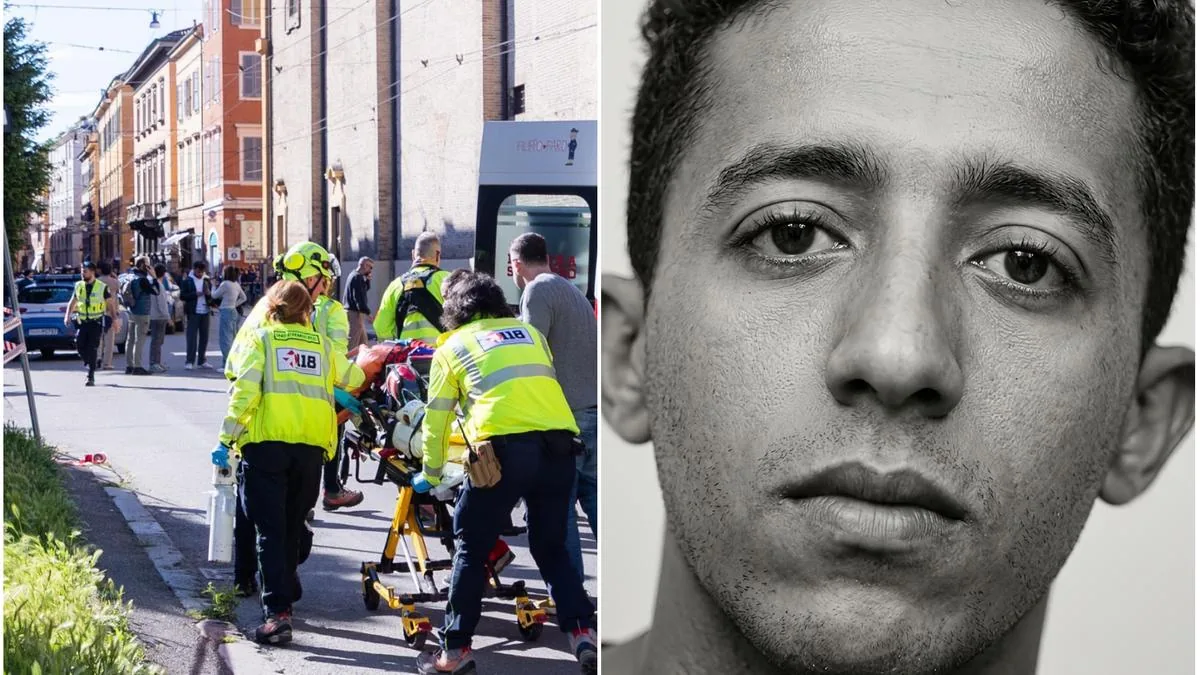
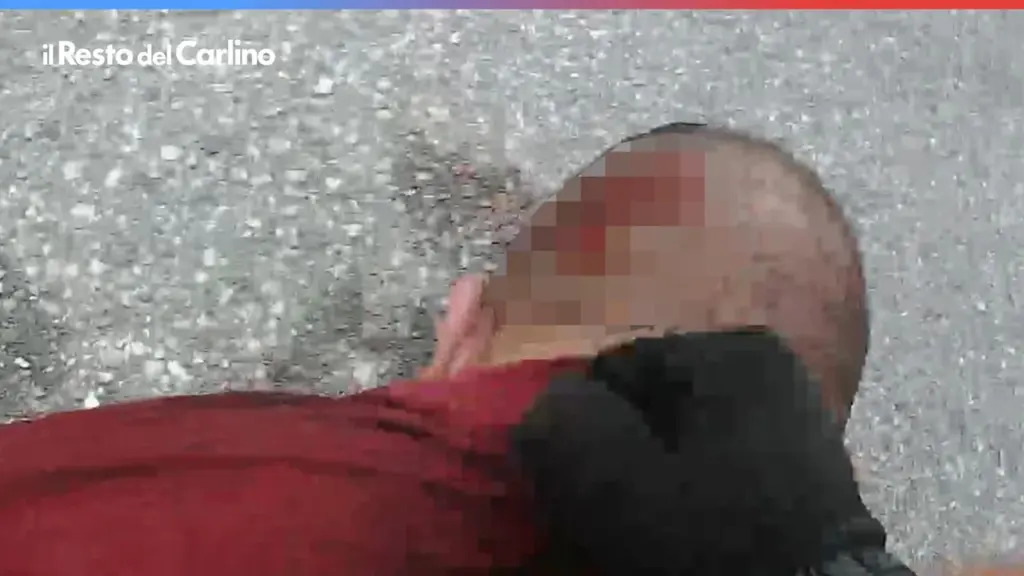
According to the first preliminary results of the autopsy, Fakir had lungs full of blood and signs of crushing, although it has not yet been clarified whether in dorsal, frontal, or lateral position. The most probable cause of death is asphyxia, due precisely to the presence of blood in the lungs, but it remains to be understood what caused such copious bleeding. For this reason, the additional autopsy examinations will be decisive to determine whether the hemorrhage could have been induced by the intake of some substance or whether the actions of the two police officers who intervened at Pilastro to contain Fakir and at the climax of whose intervention the 42-year-old Moroccan then died, played a role. As well as the intervention methods of the four 118 operators.
The search for the second missing cell phone: the device is still missing
From the early stages of the investigation, the prosecutor has been looking for a second cell phone with a number linked to Abderrahim Fakir. It turns out that the 42-year-old had another device, but its traces have been lost. According to the investigators’ hypothesis, however, that would have been the Moroccan’s main phone who died at Pilastro and useful also to reconstruct the man’s movements up to via Svevo where he then lost his life, as well as the last contacts he had. To search for it, the phone cells were scoured to monitor the number’s connections, but the device is still missing.
Abderrahim Fakir’s healthcare path: on June 20 he went to the Maggiore emergency room
On June 20, Fakir went to the Maggiore Emergency Room for some self-harming gestures. Subsequently, the 42-year-old had a first contact with a mental health center in the East area of the province, where he met a psychiatrist and received a first therapy after an adequate anamnesis, with the setting of a subsequent appointment. However, it has not been established whether Fakir was actually taking the prescribed medications, nor is it clear how the 42-year-old spent his last hours of life before dying around 12:15 in the Pilastro area. Where he spent the last night, with whom, and whether he had relevant contacts. This aspect awaits answers from the analysis of the only cell phone found.

One of the most relevant mysteries: why was he at Pilastro on the morning of July 19?
One of the most relevant mysteries still pending in the involuntary manslaughter investigation under model 45 bis for the death of Abderrahim Fakir is why the 42-year-old was at Pilastro on the morning of July 19. The man was reported to have several residences with friends or relatives, but none of these were in the Pilastro area or on via Svevo. From the start, the hypothesis circulated that Fakir was in that area to meet a friend. But no one has so far provided specific details about this person or revealed their identity. It is also unclear how the 42-year-old Moroccan who then died at the climax of police containment arrived at Pilastro, since he reportedly did not have a driver’s license. The prosecutor’s office is working precisely to reconstruct Fakir’s last contacts, in order to answer the dilemma of why the 42-year-old was right there at via Svevo 6 when the psychiatric crisis occurred that led to the intervention of the officers and the 118.
Read more Phantom policies: over 400 thousand euros compensated to savers defrauded by a dishonest agent