




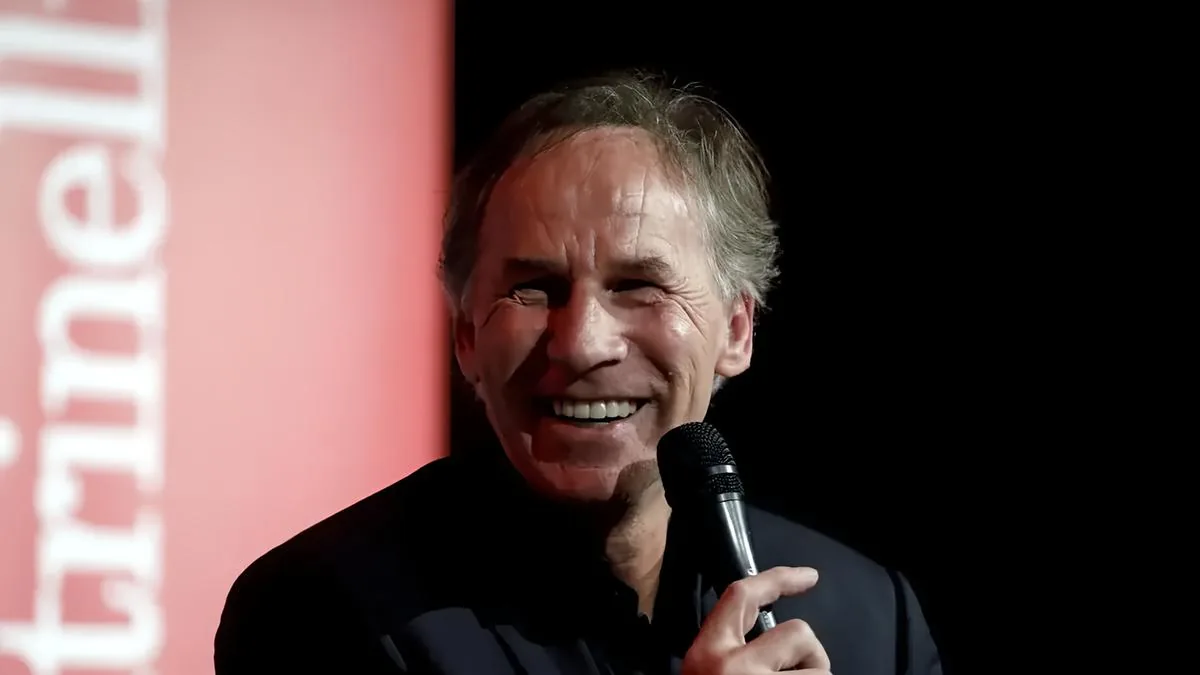
Rome, July 31, 2026 – Football mourns Franco Baresi. The Milan champion passed away last night at only 66 years old after a long illness. A year ago he had undergone “removal of a lung nodule.”
Very few public appearances and social media posts in the last year, but in those sporadic incursions the suffering of the last months was evident. “Coming home,” the football legend wrote last December alongside some shots in the stands at San Siro. And then a laconic “long live life” in November 2025, a surge of joy and hope at the same time, testifying to a difficult period. Last February Baresi took part in the opening ceremony of the Milan-Cortina Olympics, tired but smiling.
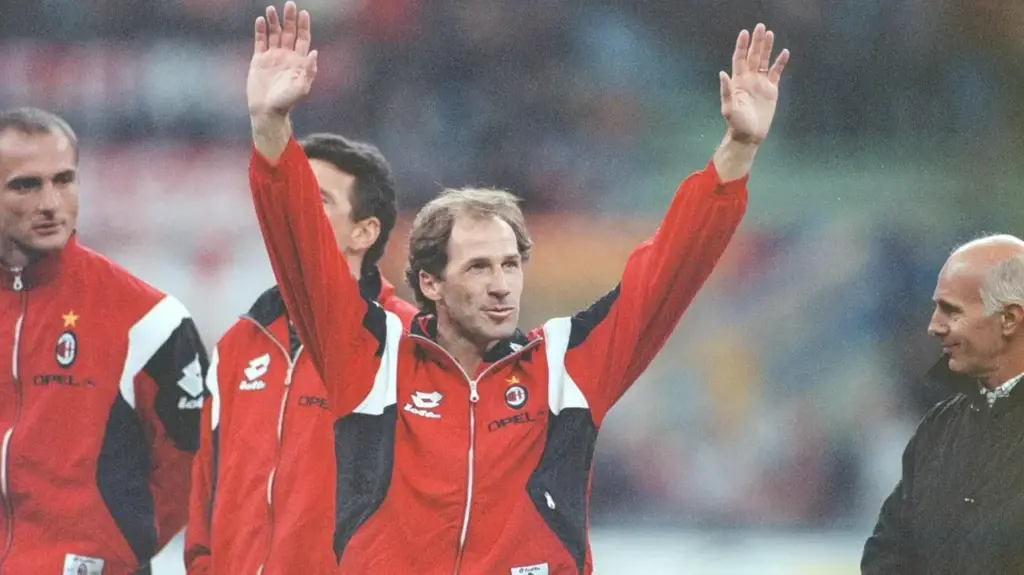
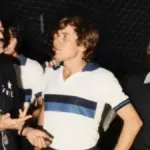
Born on May 8, 1960, in Travagliato, in the province of Brescia, Baresi experienced pain very early, losing both parents when he was just a teenager. Raised in his hometown’s parish, he joined Milan in 1974 after being rejected by Inter, the team he supported as a child and in which his older brother Giuseppe played. A twist of fate destined to change football history. He made his Serie A debut with Milan in 1978, launched by Nils Liedholm. It took only a few seasons for him to become the team’s reference point and, at just 22 years old, the youngest captain in Rossoneri history. From then on, the armband never left his arm, accompanying the club through its most difficult moments, from subsequent relegations following the Totonero scandal to the rebirth signed by Silvio Berlusconi. It was precisely with the arrival of Arrigo Sacchi that Baresi definitively entered legend. A modern sweeper, the perfect interpreter of zonal marking and offside, he led a defensive line that became a model for entire generations of coaches and players.
More than a marker, he was a defensive playmaker: he anticipated the play, read situations a second ahead, commanded teammates’ movements with few words and many glances. With Milan he played 719 official matches, winning six league titles, three European Cups, three European Super Cups, and two Intercontinental Cups, becoming the symbol of one of the strongest teams ever alongside Gullit, Van Basten, Rijkaard, Maldini, and Costacurta.
Read more Bomb alarm on Viale Vicini, the second in three days in Bologna
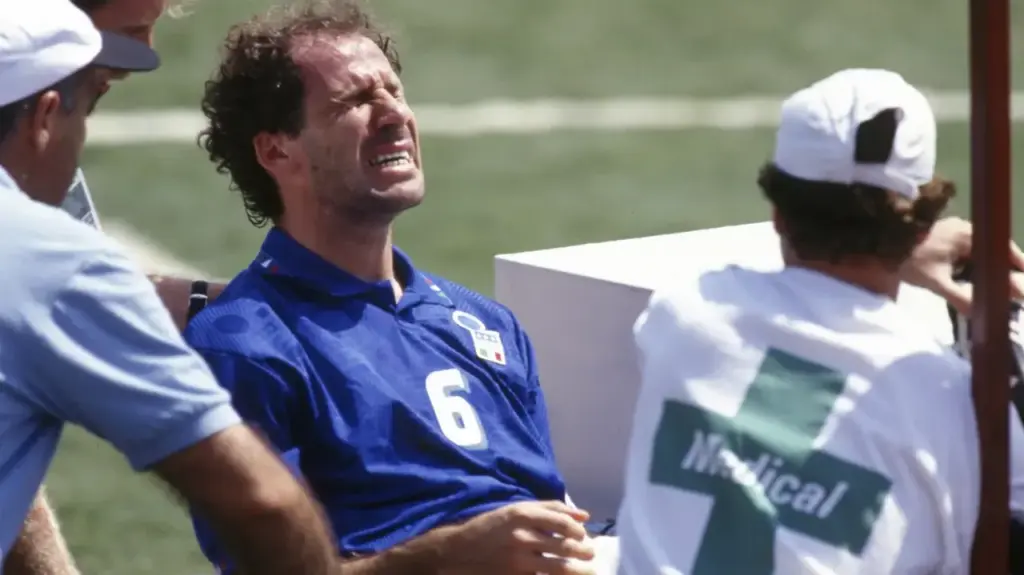
He earned 81 caps with the national team. Called up by Enzo Bearzot for the 1982 World Cup, he contributed to the campaign that ended with triumph in Spain, although without playing. He then became the leader of the Italian defense until the 1994 World Cup final in the United States. Returning after a quick injury to play the decisive match against Brazil, he delivered a memorable performance despite poor physical condition. However, he remained the image of his high penalty in the final shootout and the inconsolable tears after the defeat: one of the most painful and human moments in Italian football history.
Reserved off the field as much as authoritative on it, Baresi never needed theatrical attitudes. His charisma came from example, discipline, and professionalism recognized by teammates and opponents alike. “Piscinin,” the nickname given to him in his youth for his small physique, became synonymous with greatness. After ending his career in 1997, Milan immediately retired the number 6 jersey, an honor reserved for the absolute symbols of the club.
After a brief experience at Fulham as technical director, he definitively returned to Rossoneri, holding various managerial roles and always maintaining a reference role for the youth sector and the entire club. With his passing, football loses one of its most refined interpreters. A defender capable of making the most difficult gesture spectacular, that of stopping attackers without giving up the beauty of the game. For Milan and fans, he will simply remain “the Captain”: the number 6 who taught how to lead a team with talent, character, and respect.
Read more Fatal motorcycle accident on the A14 in Bologna: a tourist loses his life