








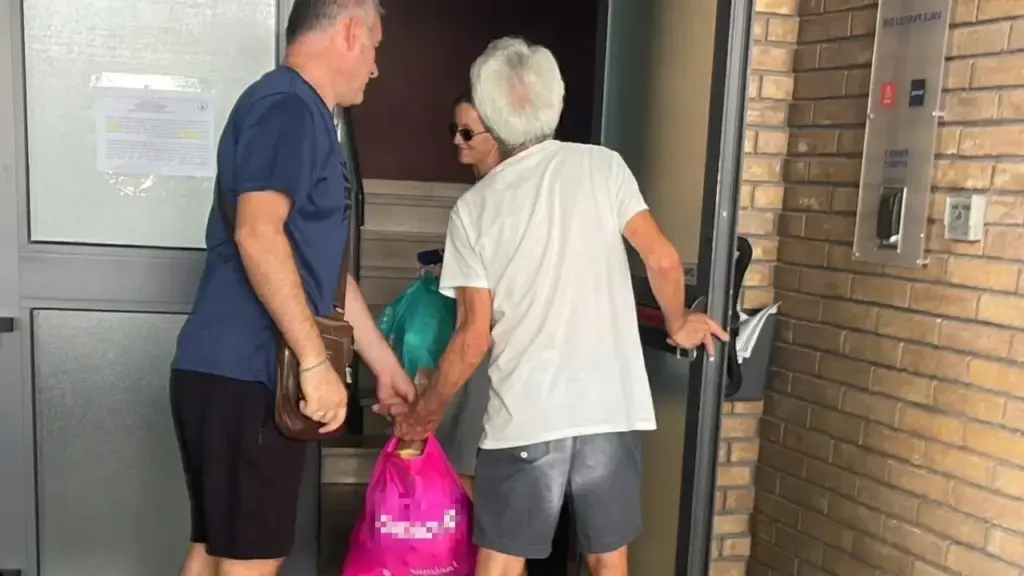
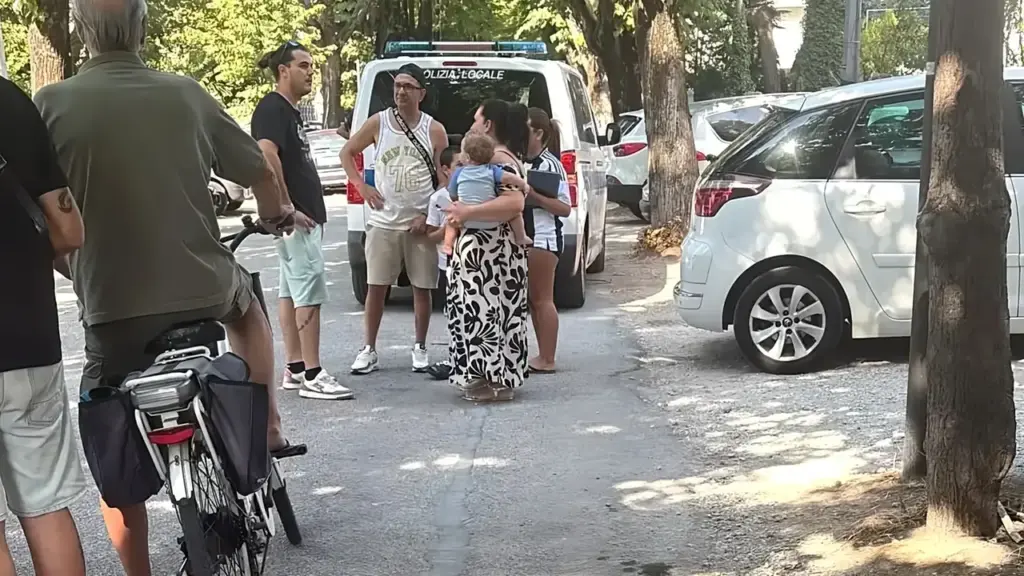
Cesenatico (Cesena), August 3, 2026 — Ninety families arrived on the Riviera with their suitcases ready for a vacation that, instead, never started. The residence promised in the online images was not there, the bookings were only an illusion built on the web and the deposits paid ended up in the hands of those who had created the scam. The case of the ghost residence in Cesenatico, which exploded right at the time when thousands of Italians plan their holidays, reignites attention on an increasingly frequent phenomenon: that of scams related to tourist rentals.
Behind many ads hides the scheme of the so-called “ghost house”. Carefully curated photos, detailed descriptions, apparently advantageous prices and limited availability: elements designed to convince those looking for accommodation for the summer. Then comes the payment of the deposit and, suddenly, the contact with the alleged owner is cut off. In other cases, the tourist only discovers upon arrival that the apartment does not exist, is already occupied, or does not correspond at all to what was shown in the ad.
A phenomenon that, according to Marzio Govoni, president of Federconsumatori Modena and head of the national SOS Tourist desk, must be addressed by distinguishing two different aspects: “On one hand, there are real scams, with apartments that do not exist, on the other abuses revolving around the tourist rental system.”
The first mistake to avoid is relying on channels without guarantees. “The advice we have always given is to not purchase tourist products outside of portals that offer consumer protections — he adds — Those who look for a house blindly on generic ad sites must know that, in case of problems, they cannot claim anything against the platform”.
The difficulty, however, is that today scammers have become much more sophisticated: “The complexity reached by these scams is enormous — explains Govoni —. We have also followed cases where a person, suspicious of the offer, had received from the lessor the identity card and the property deed. They seemed like reassuring documents, but in reality they were forged, probably even created using artificial intelligence tools”.
Precisely AI has changed the face of digital fraud. Fake ads are no longer easily recognizable by grammatical errors or unbelievable photos: today they can contain artificially generated images of non-existent apartments, texts written in perfect Italian, cloned websites almost identical to the originals, and even videos with supposed owners digitally created.
Advice from Airbnb and State Police
For this reason, Airbnb and the State Police have relaunched a prevention campaign with some fundamental suggestions. First of all, always verify the website address and do not access through links received via email, SMS, or social networks. Be wary of prices that are too low compared to the area average and of those who rush you, perhaps claiming to have other interested parties ready to book.
Another fundamental point concerns payments: never make direct bank transfers to block a house and never move the conversation outside the official platform, even when promised a discount.
Messages on WhatsApp or private emails can indeed cause you to lose all protection possibilities. Before confirming, it is also advisable to read reviews, check the host’s profile history, and verify that the accommodation images have not been copied from other ads through a reverse image search.
The scammer’s profile
The scammer’s profile often follows a precise pattern. They may claim to live abroad to justify unusual payment methods, present themselves very professionally by sending contracts or fake documents, ask for an urgent deposit, and insist on getting a response very quickly. In some cases, they even falsely claim to collaborate with major tourist platforms to increase the victim’s trust. According to Govoni, when suspicion becomes concrete, you must not waste time: “When we are faced with a real scam, the only way is to report it. It is not about asking for compensation from a scammer, but about allowing law enforcement to start an investigation”.
How much money scammed tourists lose
The president of Federconsumatori Modena also highlights an often underestimated aspect: many victims give up reporting because the lost amount seems small. “Often the scam involves deposits of 300 or 400 euros and some people think it’s not worth taking action. However, even these amounts feed the scammers’ system.” Prevention remains the main weapon. “Absolute certainty — he concludes — comes from direct viewing of the property or from verification by a trusted person. Otherwise, you must rely on entities that truly guarantee the tourist product”.
Read more When does the abnormal heat end? The date changes: how much temperatures drop in Emilia Romagna