






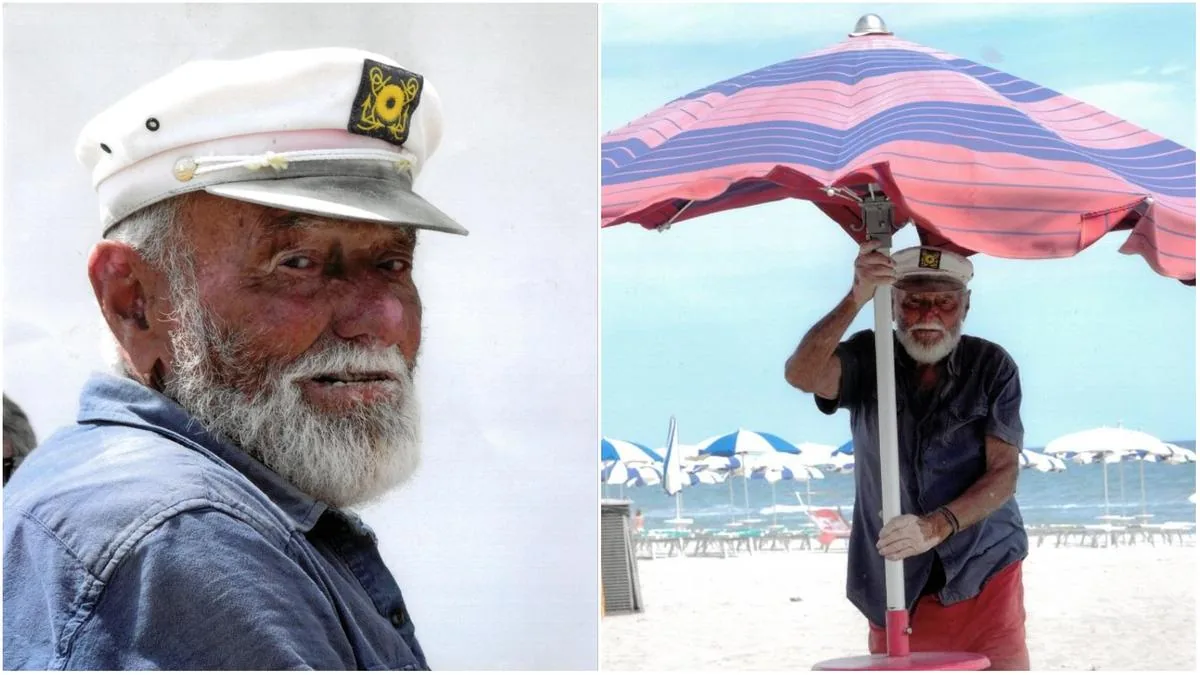
Rimini, July 19, 2026 – He has the look of a typical sea wolf, but with a heart of gold and a gentle character. Guerrino Ricci, 87 years old, concessionaire of Bagno 16 in Riccione since 1974, has always operated discreetly behind the scenes. After more than half a century of activity, he has made headlines because he rents a sunbed for four euros and the umbrella is free.
After the first report by Carlino, the cameras of national networks, starting with Rai, also arrived at his place. A whirlwind that, however, does not seem to affect the now well-known operator much, who is rather inclined to remember the golden age of popular national tourism, when the Riccione beach was teeming with foreign tourists. It was the era of the legendary Swedish women.
His affordable prices have sparked a national debate!
“Undoubtedly, but for a bit of shade you cannot charge exorbitant prices, as also happens in Tuscany. What I do is a bit of a promotion, because I am elderly and with auctions I risk disappearing. This way at least my customers will keep a nice memory of this beach. I also told the Agorà cameras that the essential elements to focus on are the sun, the sand, and the sea.”
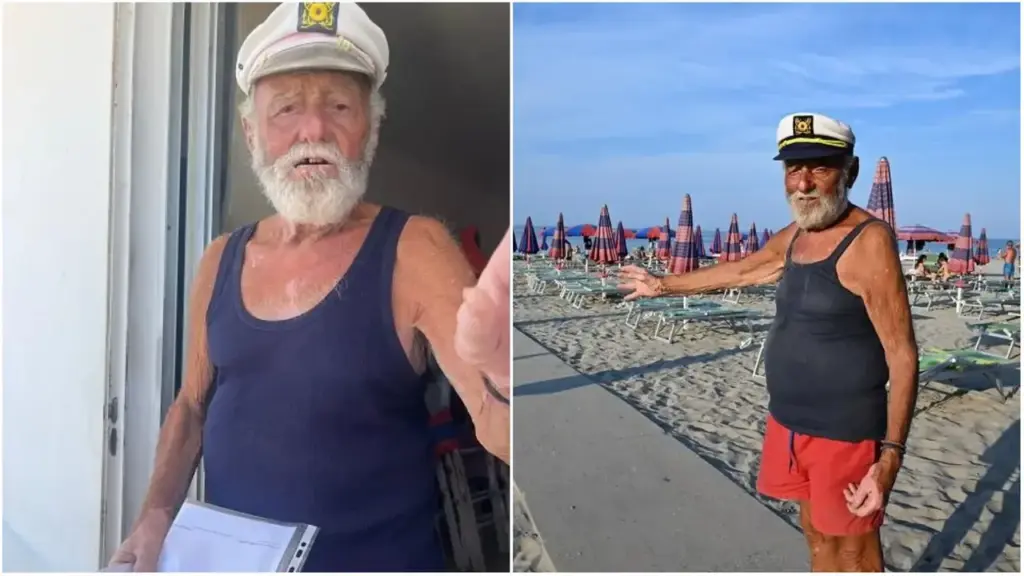
Where did your passion for the sea come from?
“I believe I inherited it from my father, who in Riccione Marano on the border with Rimini, was a clam fisherman. Back then there were still eleven boats for this activity. Our family has always lived a sea life, this is where we were born. We went through the war, at the front line crossing I was just five and a half years old and my brother three. The concession of this beach dates back to 1974, before it belonged to the nuns, who managed the Primavera colony (now a nursing home). I have always worked on the beach, already at 18 I was a lifeguard.”
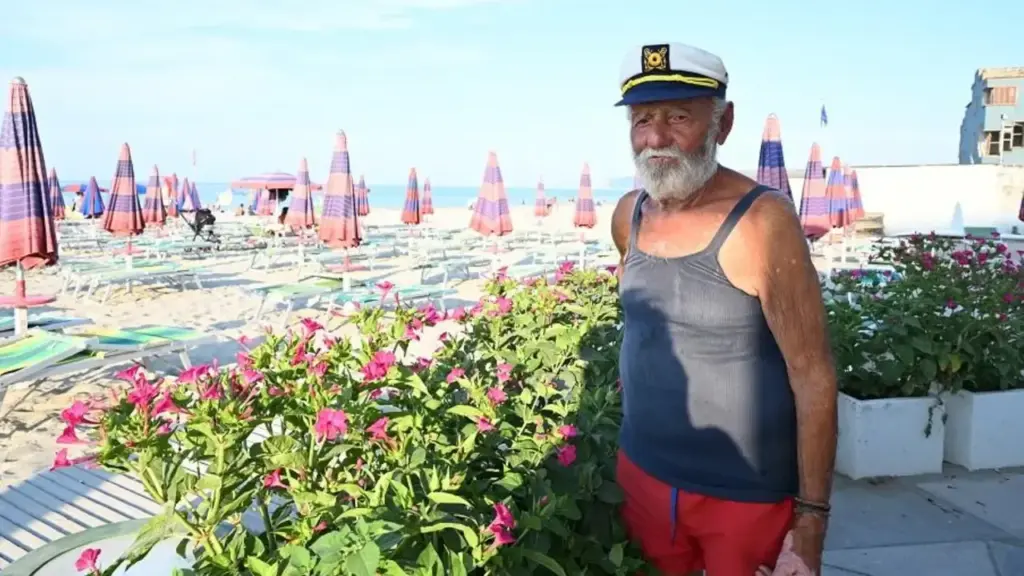
What was the beach like half a century ago?
“In the Seventies-Eighties we had three rows of tents, which we no longer have now, and the umbrellas that still characterize my beach, which was very wide at the time.”
Then what happened?
“When in the mid-Eighties Cattolica expanded the port for fishing boats, erosion began, which at this very point had its worst effect. My cabins, twenty-two compared to the current eight, as shown in photos from that time, were located thirty meters further forward, but I was forced to move back. Due to erosion, the nearby Mario bar was also destroyed. Twice this beach was brought to its knees by storms: in 1985, the year when the sea also flooded the coastal road, Viale Torino, behind us here, and in 1990. There was nothing left here, I started all over again.”
What is the most beautiful thing that has happened to you?
“The beautiful people I met on the beach, with whom I have grown old.”
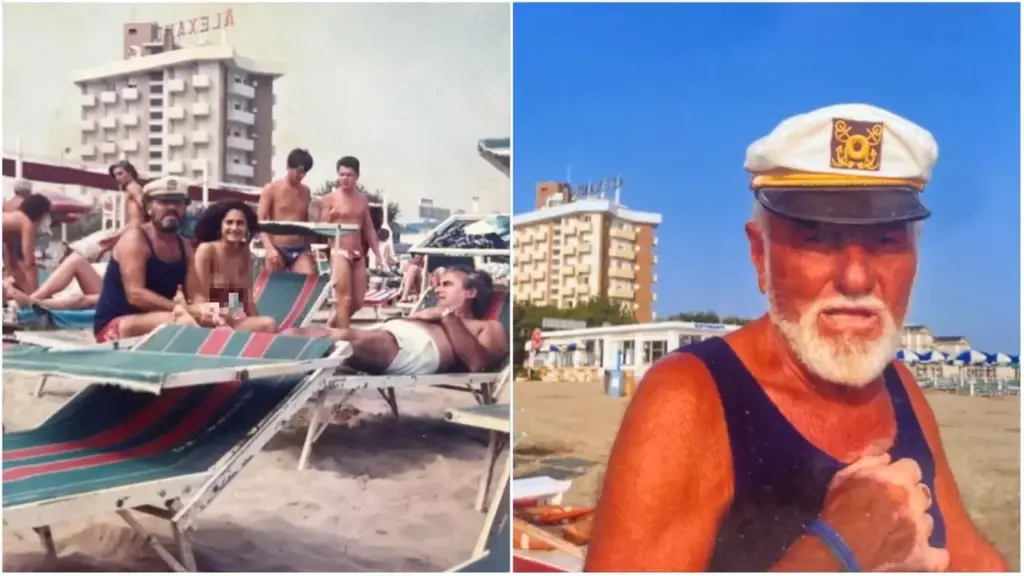
What memories do you have of the past?
“When I took over this beach there were many foreigners, many stayed in the campsites in the area. I particularly remember the German and Northern European bathers, Dutch and Swedish, who about forty years ago mostly sunbathed topless. There were many beautiful girls!”
We fought against the forces of the sea, including the mucilage, with the same strength we must fight against this directive, because no one knows how it will end
Who do you work with now?
“The foreigners have disappeared. For the moment I only have one German, Haidy, who came from Frankfurt. She has been coming here since we opened, over half a century ago. So I work with local people, with customers from the Riccione hinterland, elderly, simple people! That’s why I can’t charge 20 euros or more to those who travel kilometers, even from Carpegna, spending as much on fuel. It’s right that it is so, I go on more for passion than for profit.”
Who helps you on the beach?
“No one, I do everything alone. In the evening my niece Maria Chiara comes to give me a hand.”
Are you afraid of the Bolkestein directive?
“Very afraid. We fought against the forces of the sea, including the mucilage, with the same strength we must fight against this directive, because no one knows how it will end.”